Smoky Bacon Crisps Face Uncertainty Under Post-Brexit Deal
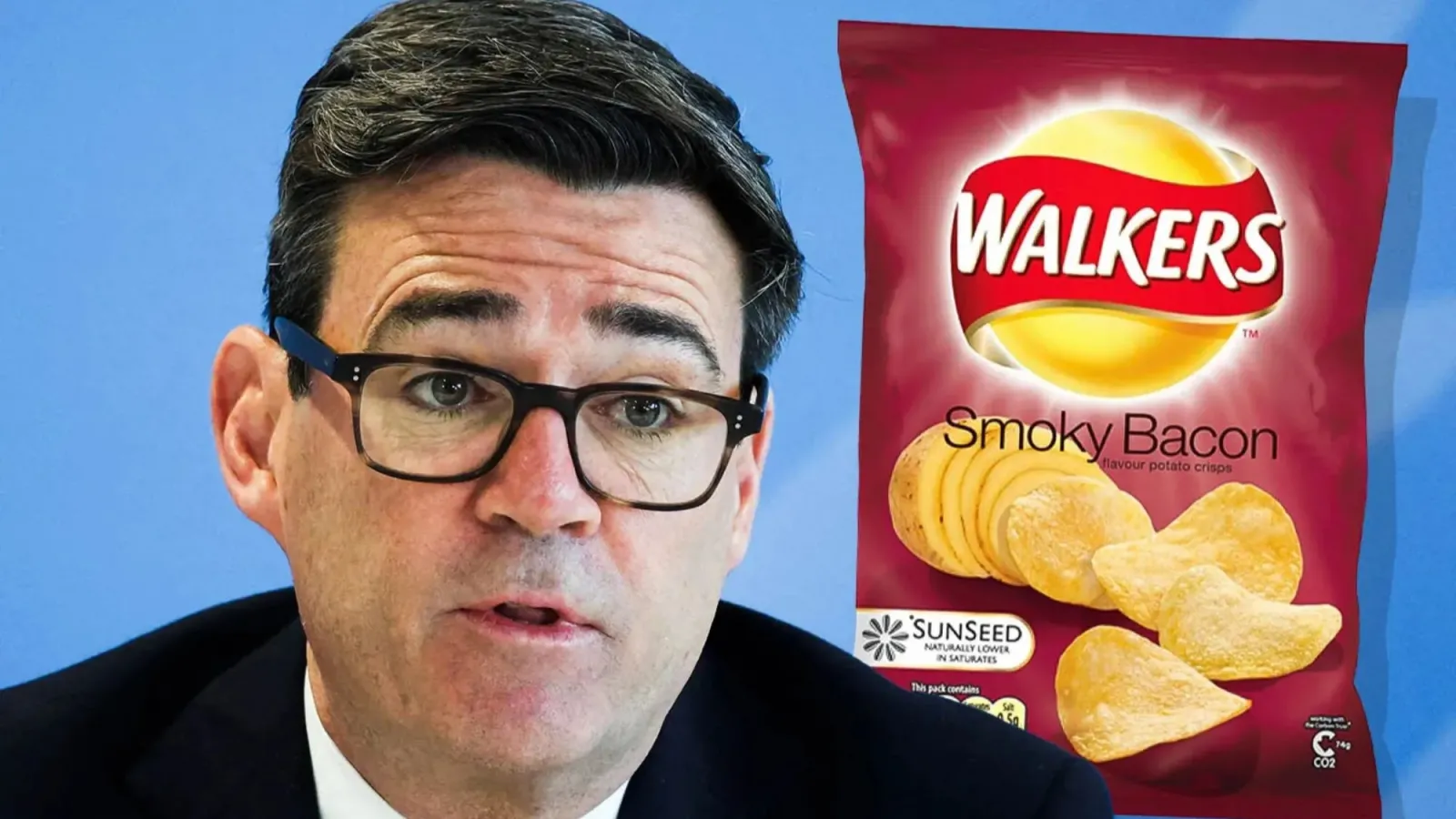
Smoky bacon-flavoured crisps could be heading for the chop under Andy Burnham's post-Brexit deal with Brussels. They may breach EU regulations which ban meaty names on vegetarian food to supposedly stop shoppers from getting the wrong end of the stick. That could spell trouble for veggie chicken and meat dishes for hard-working Brits if the PM agrees to follow the bloc's new rules.
The political landscape surrounding post-Brexit trade has shifted significantly as leaders negotiate new terms of engagement between the United Kingdom and the European Union. Citizens and business owners alike are paying close attention to how regulatory alignment might alter everyday consumer products. The discussions touch upon subtle aspects of food labelling and manufacturing standards that have remained points of contention since the United Kingdom left the political bloc.
Understanding the Food and Drink Agreement Details
Britain and the EU agreed a food and drink deal before a summit taking place at the end of November. Labour has agreed to align with EU plant and animal health rules including on labelling. This alignment mechanism forms the core of the current diplomatic efforts to smooth out trade frictions at the border.
Food standards and agricultural policies have long histories of complex negotiations between London and Brussels. By accepting specific oversight regarding plant and animal health, the administration hopes to streamline exports and imports across the channel. However, critics point out that adopting these measures means accepting foreign standards without having a direct vote in drafting them.
The Future of Vegetarian Meat Alternatives and Labelling Laws
European regulations have long debated how plant-based items should be marketed to the public. Rules restricting terminology like burger, sausage, or steak for vegetarian items aim to prevent consumer confusion in the supermarket aisles. If these standards apply locally, manufacturers of meat-free products must rethink their branding strategies.
Shoppers who rely on vegetarian alternatives might see changes in how products are displayed and described on packaging. Companies operating in the food sector will need to monitor upcoming announcements closely to ensure compliance with any adopted directives. The balance between consumer protection and commercial freedom remains a central debate for lawmakers.
Ketchup and Mayonnaise Sachets Face Potential Bans
It comes as ketchup, mayonnaise and vinegar sachets could be banned from cafes and restaurants as the PM tries to align the UK with the EU. The bloc has outlawed single-use plastic packaging for condiments in the catering sector on environmental grounds from January 1, 2030. The regulations will forbid European restaurants and hotels from offering ketchup and mayonnaise sachets to dine-in customers from January 2030, to cut down on unnecessary waste.
The hospitality industry relies heavily on these small packages for takeaway orders, outdoor events, and fast-service dining. Eliminating them requires establishments to find alternative delivery methods for sauces, such as pump dispensers or reusable small bowls. Restaurant owners warn that operational costs could rise as they transition away from single-use plastics.
Northern Ireland Implications and Regulatory Friction
The packets are also going to be banned in Northern Ireland under post-Brexit arrangements that require the country to follow some EU rules. This regulatory divergence within the United Kingdom creates distinct challenges for distributors operating across the Irish Sea. Goods moving from Great Britain to Northern Ireland must navigate differing legal requirements for packaging and presentation.
Businesses handling cross-border logistics have spent years adapting to the Windsor Framework and related legal mechanisms. Any additional synchronization with continental standards adds another layer of complexity to supply chains. Policymakers continue to debate how to minimize friction for traders while maintaining necessary political agreements.
Government Response and Clarification on Single-Use Packaging
A No 10 spokesperson said, A ban on single-serving sachets is not in the scope of any agreement with EU partners. It is not part of our EU reset. If any consultation on single-use sachets is taken forward, it will be solely as a result of the UK choosing to do so.
This official statement attempts to quell anxieties among restaurant operators and food manufacturers worried about impending mandates. Downing Street maintains that domestic authorities retain full sovereignty over any future environmental consultations regarding single-use plastics. Observers will watch upcoming legislative calendars to see how these policy positions translate into formal actions.