Mirra Andreeva and Jessica Pegula Respond to Leaked Practice Stream Controversy
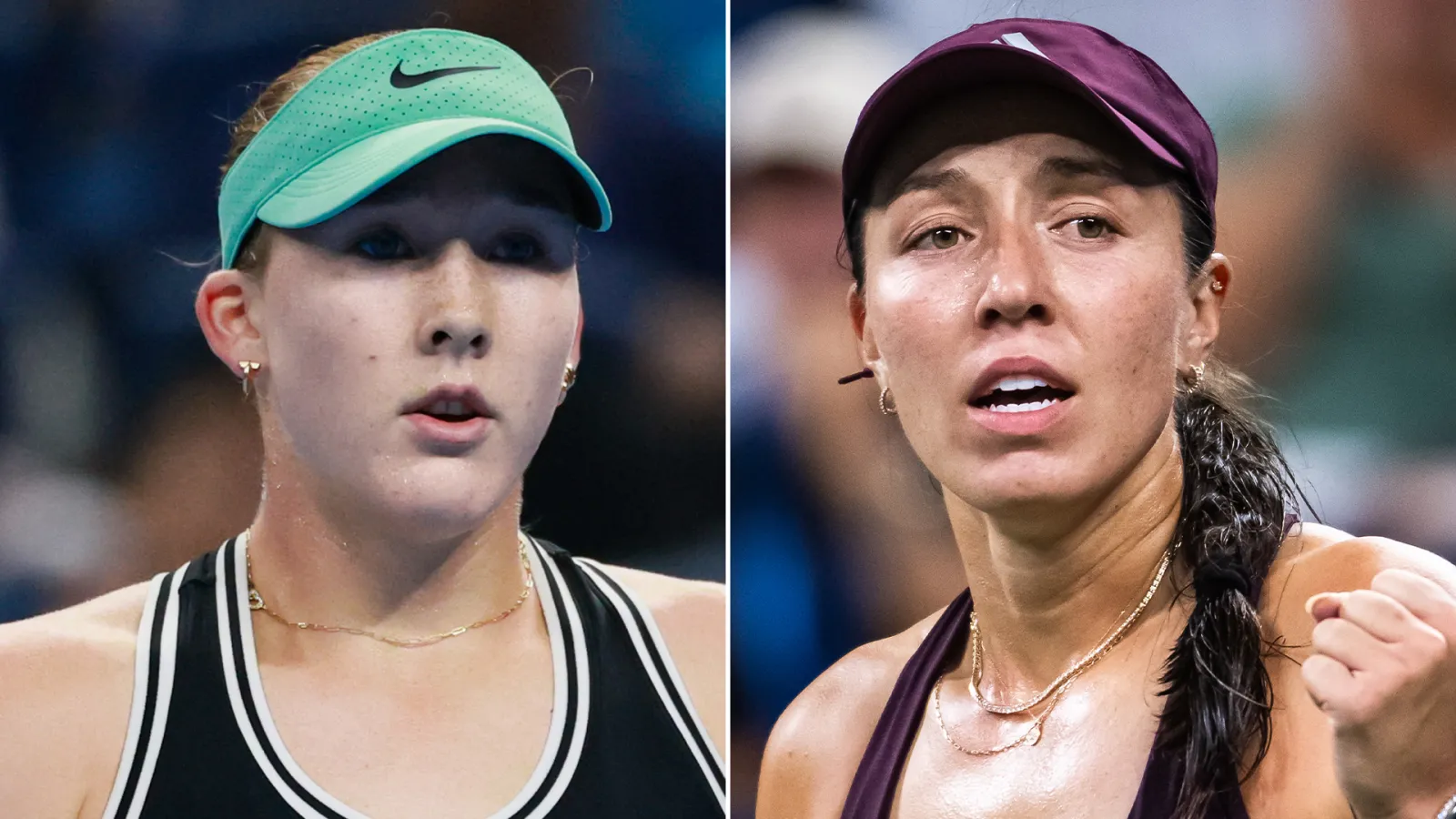
Tennis stars Mirra Andreeva and Jessica Pegula have laughed off a viral controversy after a live YouTube stream inadvertently broadcast a private conversation from the practice courts. American world No.5 Pegula, 32, was caught bad-mouthing her Russian rival during a training session chat with coach Mark Knowles at Indian Wells. Believing they were speaking in private, Pegula remarked that the reigning French Open champion might be a nice girl, but stated that she is just a diva. The former US Open finalist also suggested that Andreeva needs to be humble and that coach Conchita Martinez, a former Wimbledon champion, should stand up to her and put her in her place.
The remarks quickly spread across social media platforms, drawing intense public attention ahead of the season-ending tournament. However, both athletes chose to defuse the tension rather than let the incident escalate into a bitter rivalry. During a glamour photoshoot to promote the event in California, Andreeva shared a photo of herself standing alongside Pegula on her Instagram account with the caption reading, DIVAS, accompanied by emojis representing fingernails and blowing a kiss. Pegula embraced the humor as well, replying to the message by stating, Divas in Chanel.
How the Live Stream Audio Leak Happened at Indian Wells
The unintended broadcast occurred because the governing body of women's tennis operated a live online link on the Indian Wells practice courts without properly informing the players. Following the incident, the organization removed all videos of practice sessions from their official YouTube page to prevent further fallout. Players and their teams were not warned that recording equipment was actively capturing their private discussions while they trained. The technical setup was intended to capture ambient sound for fans rather than dialogue between players and their coaching staff.
The governing body issued a formal apology to the competitors involved in the broadcast failure. WTA chair Valerie Camillo personally apologized to Pegula and Knowles for allowing their interaction to be aired to millions without consent. Camillo acknowledged that the organization failed to maintain player privacy and admitted that their execution did not meet the required standards. The US sports executive noted that there was a lack of advanced notice and clear signage to assist players about the recording equipment operating in the area.
Understanding the WTA Tour and the Season-Ending Championships
The tournament where this drama unfolded is the prestigious eight-woman event held at Tennis Paradise in California, featuring a total prize pot of $8million (£6million). The competition brings together the top-performing athletes from the professional tennis tour for a round-robin format before the knockout stages. Florida-based Pegula and Cannes resident Andreeva qualified for the elite field based on their rankings and success at major tournaments throughout the calendar year. Despite their high profiles on the global sports stage, the two competitors have never played each other in a competitive match.
The draw for the event placed the two athletes into opposite groups, meaning they would not face each other in the initial round-robin phase. Tournaments of this scale require meticulous organization, balancing the demands of broadcasting with the privacy expectations of elite competitors. Professional players spend countless hours training at these facilities, making the practice courts a vital workspace where they can prepare away from public scrutiny. The governing body maintains specific policies to balance safety and fan engagement, but this particular incident exposed severe flaws in technical execution and monitoring.
Privacy Policies and Technical Failures on the Practice Courts
The controversy highlighted the ongoing challenge sports organizations face when expanding digital access for fans through streaming technology. Modern sports broadcasting frequently uses ambient microphones to capture the sounds of the game, including the bounce of the ball and the impact of the racket. However, capturing player conversations crosses a boundary that governing bodies vow to protect in official rulebooks and agreements. The failure to provide clear signage or verbal warnings about active recording devices led directly to the privacy breach.
Camillo emphasized that the administration takes full responsibility for the technical breakdown and is committed to preventing similar incidents at future tournaments. The organization reiterated its dedication to safeguarding athlete welfare while still providing entertainment for supporters watching from home. For now, both players have put the matter behind them as they focus on their matches at the high-stakes California championship. The lighthearted exchange on social media effectively neutralized what could have been a toxic sporting feud.