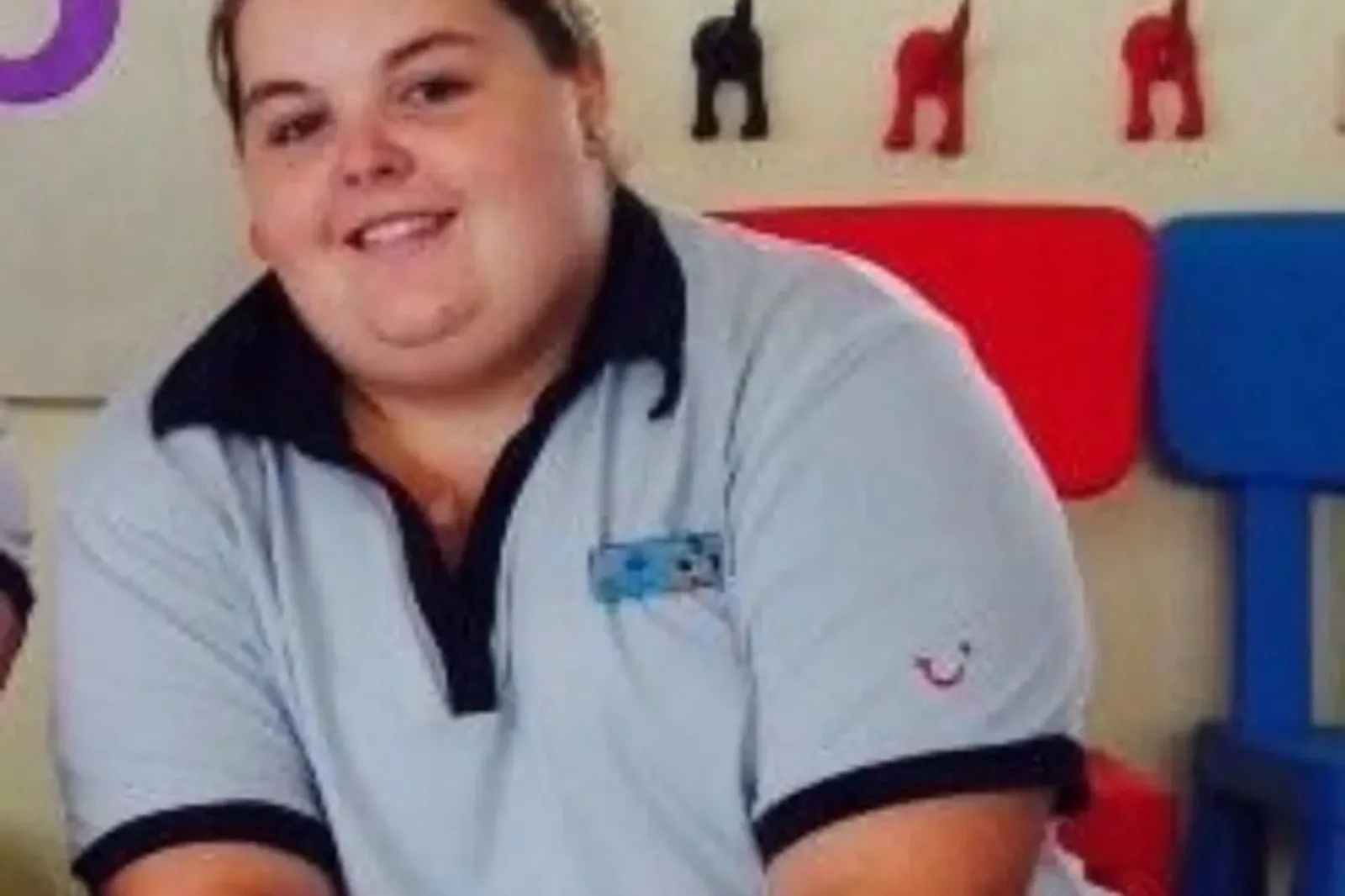
Jade Esteban, 34, from Swansea, South Wales, lost 12 stone after a gastric sleeve operation and now runs a dance-fitness class, preparing for the Miss Bariatric UK finals.
The former weight-based abuse she endured on a dating website sparked the decision to seek surgery, which cost £3,500 and was performed in Turkey in August 2022.
What Triggered Jade's Decision to Seek Bariatric Surgery?
Jade first encountered online harassment when several matches on a dating site sent her messages mocking her 22-stone weight. She recalled, "Instead of arranging a date, these people were instead berating me about my weight, telling me I was so fat and how I shouldn't be eating so much." The repeated insults eroded her confidence and pushed her to consider a permanent medical solution.
Earlier attempts at weight loss, slimming groups, gym memberships and occasional diet plans, yielded only short-term results. She said, "I'd tried everything in the past - going to slimming groups and joining a gym. I'd manage to lose a few stone, but then I couldn't keep it off."
In August 2022, a family holiday with her six-year-old niece became the tipping point. Unable to ride a roller coaster, she booked gastric surgery three days after returning home. Her doctor had warned that her weight was a "strain for my body" and that she could die before 50 if she continued on the same path.
How Does Gastric Sleeve Surgery Work?
A gastric sleeve, also called sleeve gastrectomy, removes roughly 80 % of the stomach, leaving a narrow tube that limits food intake. The procedure also reduces the hormone ghrelin, which stimulates appetite. Patients typically stay in the hospital for three to five days, then follow a staged diet: liquids for the first week, pureed foods for the next two weeks, and gradually increasing solid portions.
In Jade's case, she was able to travel home after about five days and began with liquid meals, moving to pureed foods, then small solid portions. She now eats half a bowl of porridge for breakfast, a chicken salad for lunch and a modest steak and vegetables for dinner.
What Are the Typical Costs and Risks of the Procedure?
The operation cost Jade £3,500, a price that includes the surgeon's fee, hospital stay and basic post-operative care. While the surgery is considered safe, risks include infection, bleeding, leakage from the staple line and nutritional deficiencies. Long-term follow-up is essential to monitor vitamin levels and to manage excess skin.
Jade acknowledges the remaining challenge of loose skin, stating, "I have a lot of loose skin, which I'd like to get removed at some stage, but I'll have to save up for that."
How Has Jade's Lifestyle Changed After the Surgery?
Before surgery, Jade described a typical day of a McDonald's breakfast, three rounds of sandwiches, chocolate and crisps for lunch, and a full dinner matching her father's portion. She also kept a hidden stash of sweets in her room, often sneaking cake and chocolate after dinner.
Post-surgery, her diet is markedly smaller and more balanced. She limits herself to a small saucer of takeaway food and can feel full after half a tin of soup. The reduced portion sizes have helped her maintain steady weight loss without feeling deprived.
Beyond diet, Jade's energy levels have surged. She now runs her own dance-fitness class, a venture that would have been impossible at her previous weight. "I have so much more energy and enthusiasm for life," she said, describing herself as a "different person."
What Impact Has the Weight Loss Had on Jade's Social and Professional Life?
Confidence is the most tangible change Jade reports. After losing 12 stone, she now receives positive messages on dating platforms rather than abuse. She also feels comfortable entering public spaces, such as restaurants, without the constant anxiety over portion control.
Professionally, she is entering the Miss Bariatric UK beauty pageant, representing Swansea. This opportunity reflects a broader shift in how bariatric patients are being recognized for their achievements beyond medical outcomes.
Her story also highlights the prevalence of weight-based harassment online. By sharing her experience, Jade hopes to empower others who face similar discrimination.
What Should Others Considering Gastric Sleeve Know?
Potential candidates should obtain a thorough medical evaluation, including assessment of BMI, comorbidities such as diabetes or hypertension, and psychological readiness. Most surgeons require a documented history of failed diet attempts and a commitment to lifelong dietary changes.
Patients must also plan for post-operative support, which may include nutrition counseling, support groups and regular follow-up appointments. Insurance coverage varies; many patients, like Jade, pay out-of-pocket or travel abroad for more affordable options.
Finally, individuals should be aware that surgery is not a quick fix. Sustainable weight loss requires lifestyle adjustments, as demonstrated by Jade's shift from high-calorie meals to portion-controlled, nutrient-dense foods.
What to Watch for in the Coming Months for Jade?
Jade plans to address her excess skin, likely through a body-contouring procedure once she can afford it. She will also continue to monitor her nutritional status and maintain her fitness routine to preserve the weight loss.
Her participation in Miss Bariatric UK will bring additional public attention, potentially sparking broader conversations about weight stigma and the experiences of bariatric patients on dating platforms.