LPG Prices Jump 80% in Pakistan
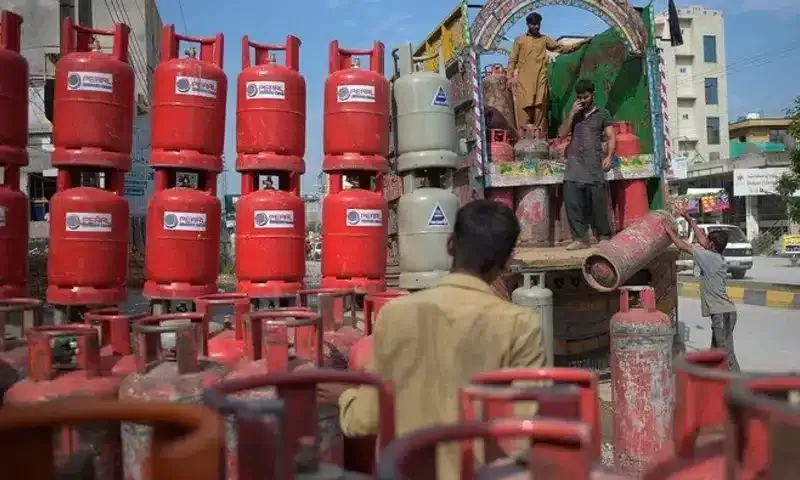
The price of a household liquefied petroleum gas cylinder in Pakistan has surged to an all-time high of Rs. 6,498, up nearly 80 percent since the beginning of 2026. According to the latest available data as of November 5, the price of an 11.67kg cylinder has climbed sharply. This has added extra pressure on households that rely on LPG for cooking and heating.
The sudden and steep increase in domestic fuel costs creates immense financial strain for millions of families across the country. As energy costs consume a larger portion of household earnings, citizens must find ways to adapt to the changing economic conditions. This price surge arrives at a time when general inflation and utility expenses already challenge the purchasing power of average workers.
How Pakistan Meets Its Energy Needs
Pakistan relies on a mix of domestic natural gas production and imported fuels to meet its energy requirements for residential and industrial sectors. Piped natural gas serves many urban neighborhoods, but distribution networks do not reach every community. Consequently, millions of citizens depend on bottled liquefied petroleum gas for daily meal preparation and indoor heating during cold months.
The domestic energy sector has experienced structural supply deficits in recent years due to declining local gas reserves. To bridge the gap between supply and demand, local distributors rely heavily on foreign shipments. Importing gas requires stable international trade routes, foreign exchange reserves, and efficient logistics infrastructure to ensure a steady flow of fuel into local markets.
The Impact of Iran Border Closures on Imports
The situation has been particularly difficult for households without access to piped natural gas, as well as those facing irregular gas supplies. Pakistan has also faced disruptions in LPG imports following the closure of key border crossings with Iran in October. Iran accounts for a significant share of Pakistan's LPG imports, and the disruption has tightened supplies in the domestic market.
Trade routes linking neighboring countries serve as vital arteries for affordable energy commodities. When border crossings shut down unexpectedly, supply chains freeze, forcing traders to seek alternative and often more expensive sources. The loss of Iranian imports created an immediate supply deficit that standard distribution channels could not easily replace.
Regional Price Variations Across Provinces
LPG has recently been selling for as much as Rs. 500 per kg in Punjab and Khyber Pakhtunkhwa, while prices in some hilly areas have reached Rs. 600 per kg. The difference between official and market prices has also become a big problem. Mountainous regions face even steeper costs due to difficult terrain, higher transportation expenses, and limited access points during adverse weather.
Consumers living in remote districts bear the brunt of these logistical challenges. Retailers operating in distant towns factor high shipping costs into their final prices, pushing the cost per kilogram well above national averages. Families in these areas have fewer alternative energy sources, leaving them vulnerable to market fluctuations.
Official Regulations Versus Market Realities
The Oil and Gas Regulatory Authority (OGRA) set the official LPG price for November at Rs. 294.07 per kilogram, putting the notified price of an 11.8kg domestic cylinder at Rs. 3,470.09. However, consumers have been paying double in the retail market. This wide gap exposes the difficulty government bodies face in enforcing price controls during severe shortages.
Regulatory bodies establish pricing guidelines to protect citizens from price gouging, but black markets often emerge when supply falls short of demand. Retailers argue that high acquisition costs force them to charge higher rates to stay in business. Meanwhile, buyers must choose between paying exorbitant market prices or going without essential fuel.
Winter Demand and Future Outlook
With winter approaching, higher demand for cooking and heating fuel could add further pressure on LPG supplies and household budgets. Colder temperatures drive up residential energy consumption rapidly, compounding the existing supply shortages. Observers continue to monitor border developments and regulatory enforcement to see if relief will reach consumers anytime soon.
Households are preparing for difficult months ahead as they adjust their daily consumption habits to conserve expensive fuel. Authorities face mounting pressure to restore import channels and stabilize retail markets before winter conditions peak. The coming weeks will determine whether policy interventions can bridge the gap between official pricing and market realities.