When Holly Vivian first sought medical help in her early 30s for severe migraines and visual disturbances, she did not expect to be dismissed by professionals. The nurse from East Grinstead, West Sussex, spent years managing debilitating health issues that medical staff routinely brushed aside. For over a decade, her physical decline was met with skepticism, culminating in a devastating cancer diagnosis that exposed deep flaws in how persistent symptoms are evaluated.
The situation escalated significantly when she became pregnant with her second child in 2020. Severe vomiting, extreme exhaustion, weight loss, insomnia, and unusual mood changes like impatience and irritability were all attributed entirely to her pregnancy by attending clinicians. Instead of investigating the root cause of her distress, medical professionals accused her of wasting their time, with some even laughing in her face when she reported feeling faint and sick.
How Dismissed Symptoms Led to a Stage 4 Brain Tumour Diagnosis
For years, Holly experienced symptoms that modern medicine categorizes as classic warning signs of intracranial issues. Long before her pregnancy, she struggled with chronic daily migraines and visual disturbances that disrupted her daily life. These red flags were compounded by unexplained weight loss and persistent insomnia. Medical history shows that primary brain tumours often present with vague, non-specific symptoms in their early stages, making them notoriously difficult to detect without advanced imaging.
During her pregnancy in 2020, the physical burden became unbearable. Uncontrollable vomiting and overwhelming fatigue left her bedridden on multiple occasions. Personality shifts, including uncharacteristic irritability and a loss of patience, were documented by her care team as normal psychological responses to carrying a child. She trusted her instincts, telling herself she would demand comprehensive testing once the baby was delivered. She knew something was fundamentally wrong with her body, but she lacked the diagnostic backing to challenge the dismissive attitudes of her doctors.
The Discovery of Oligodendroglioma After Childbirth
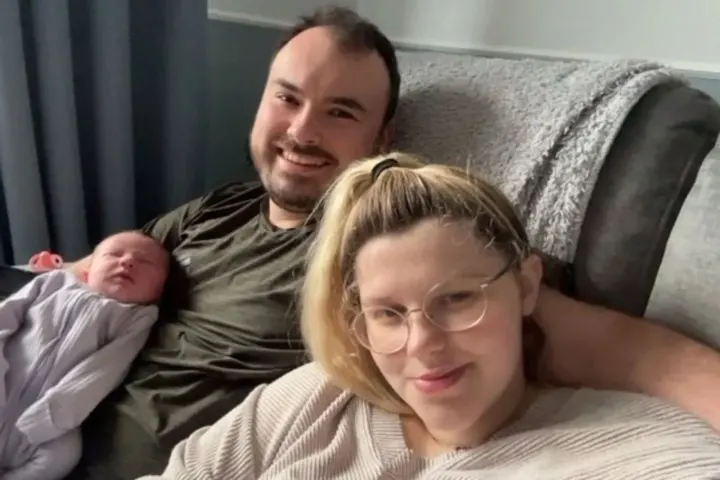
Holly gave birth to her son in November 2020. By December, the combination of sickness and exhaustion reached a critical threshold. During a family video call over Christmas 2020 because COVID-19 restrictions prevented in-person gatherings, she mentioned that she could not eat Christmas dinner due to illness. Her brother, a consultant in anaesthetics and neuroanaesthesia, grew deeply alarmed by her condition. The following day, he called her after noticing her text messages were disjointed and made no sense.
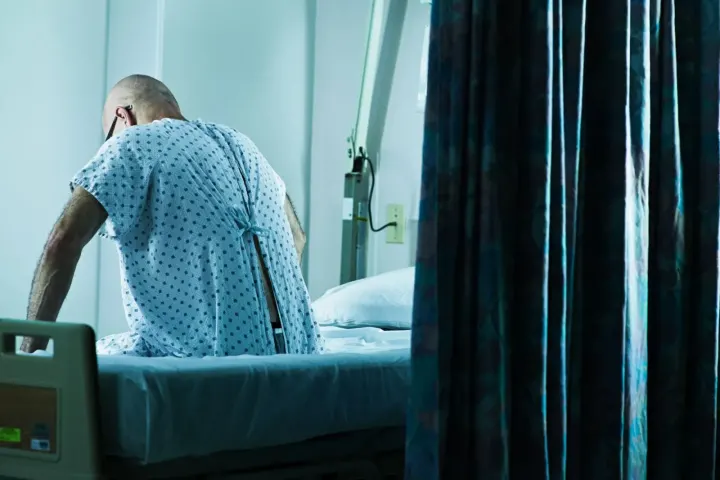
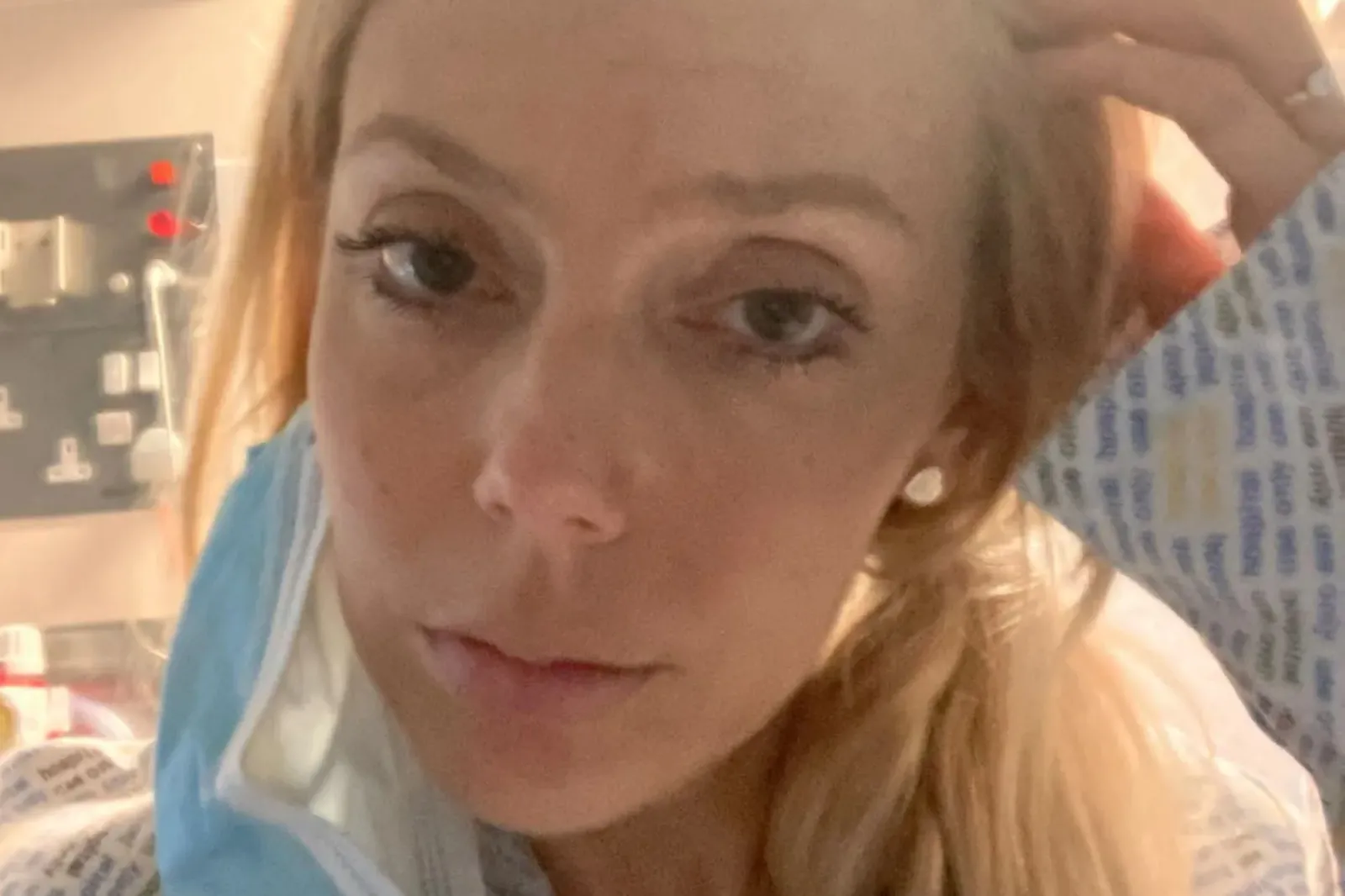
He performed neurological evaluations over the phone. Holly could not complete them because the cognitive and physical demands induced severe physical sickness. Recognizing the urgency, her brother instructed her to go to an emergency department immediately. Hospital staff performed an urgent CT scan, which revealed a massive mass on her brain. A radiographer told her upon reviewing the imaging that she would not be going anywhere for a while, confirming her worst fears.
Understanding Oligodendroglioma and Brain Tumour Symptoms
Holly was diagnosed with stage 4 oligodendroglioma, a rare and malignant form of primary brain cancer. Oligodendrogliomas develop from the brain glial cells, which provide support and insulation for neurons. Unlike secondary brain cancers that spread from other parts of the body, primary brain tumours originate directly within the central nervous system. Data from Cancer Research UK shows that oligodendrogliomas account for about three out of every 100 primary brain tumours diagnosed in England between 1995 and 2017.
These tumours occur more frequently in adults, particularly individuals aged 30 to 50, and show a slight statistical preference for men over women. Clinical manifestations vary depending on the exact location of the mass within the brain tissue. When a tumour develops in the frontal lobe, it frequently causes gradual alterations in mood and personality, alongside muscle weakness or numbness down one side of the body. Tumours in the temporal lobe often trigger speech difficulties, coordination problems, and memory loss. Common signs across many brain tumours include seizures, altered sensations such as strange smells or olfactory hallucinations, and localized muscular weakness.
Surgical Removal, Treatment, and Cancer Recurrence
On January 4, 2021, Holly underwent major brain surgery to remove the malignant growth. The neurosurgical team successfully debulked the tumour by 70 per cent. Following a six-week recovery period, she embarked on a grueling treatment protocol involving six weeks of combined chemotherapy and radiotherapy, followed by an additional 12 months of standalone chemotherapy. The regimen took a severe physical toll on the young mother while she was trying to care for her two children.
For four years, her scans remained stable, offering a period of cautious relief. However, oncology specialists had warned her that the aggressive cancer would likely return. Around the New Year of 2025, she experienced an intuitive feeling that the disease had come back. Just 48 hours later, a diagnostic confirmation arrived via phone call. She endured another round of treatment consisting of roughly six weeks of radiotherapy followed by nine months of chemotherapy.
The Ongoing Impact on Nursing Profession and Family Life
Today, Holly continues to take prescribed medication, and her most recent scan indicates that her cancer is stable and not actively growing. Before her diagnosis, she lived an active, vibrant life, running marathons, skydiving, and maintaining a global network of friends. Now, her daily reality is defined by anxiety as she waits for subsequent scans, driven by the absolute determination not to leave her children behind.
Beyond her medical battles, she faces bureaucratic hurdles regarding her career. Eager to return to nursing and support others facing health crises, she discovered that her registration pin expired during the years she spent fighting cancer. Regulatory bodies have required her to sit a £1,000 exam to reinstate her credentials. At a time when healthcare systems face acute staffing shortages, the financial and administrative barrier leaves her frustrated as she tries to rebuild her professional life.