Pak-China Friendship Hospital Performs Rare Surgery
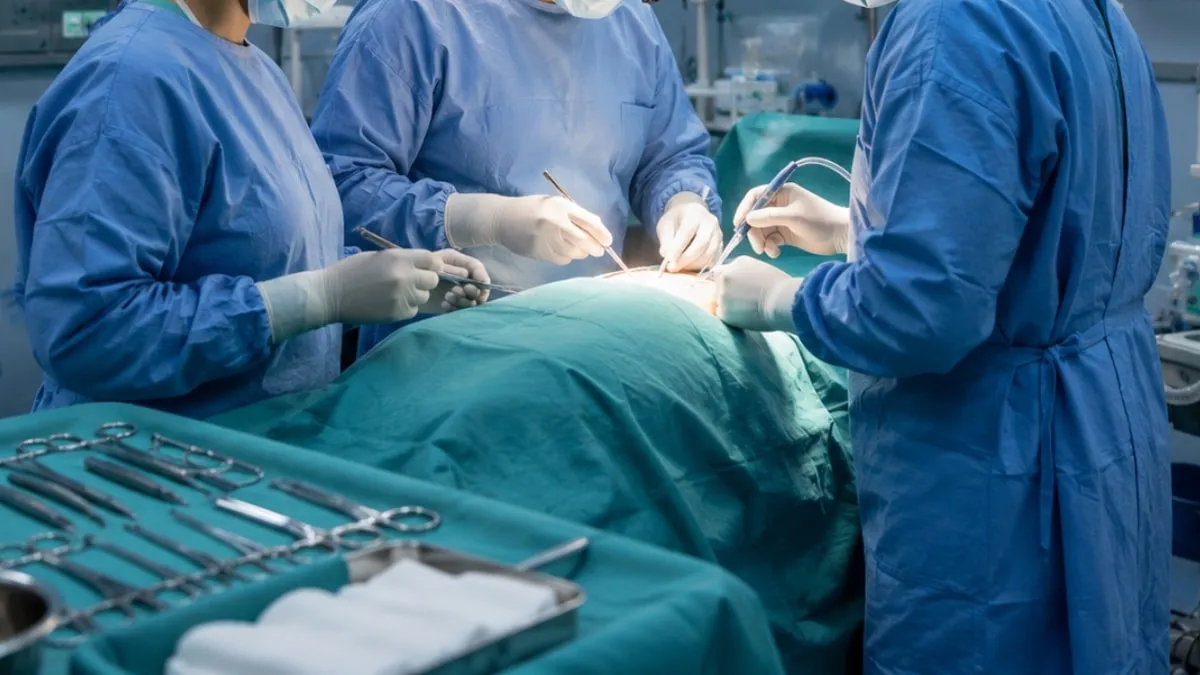
The Pak-China Friendship Hospital has successfully performed a complex surgical procedure to remove a longstanding large growth from the left knee of a 64-year-old female patient. This intricate operation marks a notable milestone for the medical institution, demonstrating its growing capability to handle difficult health conditions locally. Medical teams faced a challenging task due to the size and duration of the growth on the patient, requiring precision and advanced surgical techniques to ensure a safe outcome.
The surgery was led by Dr. Ashfaq Ahmed Nadeem, who carried out the excision alongside a specialized surgical team. Dr. Nadeem and his colleagues worked meticulously in the operating theatre to separate the mass from surrounding tissue without causing further damage to the knee joint. Such procedures demand high levels of coordination and expertise from every member of the medical staff involved in the operation.
The procedure highlights the hospital's expanding capacity to provide specialized surgical services and manage complex medical cases through its upgraded healthcare facilities. Healthcare administrators noted that having access to such advanced interventions locally prevents patients from needing to travel long distances for specialized care. The successful outcome reinforces confidence in the institution's medical infrastructure and the proficiency of its resident physicians.
Expanding Access to Quality Surgical Care
The successful operation is another step towards strengthening access to quality surgical care for residents of Islamabad and surrounding areas. Regional healthcare networks have historically faced capacity constraints, leaving many patients with severe conditions struggling to find timely treatment. By performing complex operations successfully, the facility reduces the burden on larger tertiary care centers in major urban hubs.
Local communities stand to benefit directly from these service expansions, as specialized treatments become more accessible and affordable. Public health advocates point out that localized surgical capabilities save valuable time during medical emergencies and complex interventions. Patients no longer face the same logistical barriers when seeking advanced surgical interventions for long-standing physical ailments.
Role of the Indus Hospital and Health Network
PCFH, which operates under the management of the Indus Hospital and Health Network, has been expanding its healthcare services, including specialized treatment and surgical facilities, to provide patients with improved medical care. The management model focuses on delivering high standards of treatment while maintaining accessibility for vulnerable populations. Partnerships between experienced health networks and public institutions often bring systematic improvements to hospital workflows and patient management.
The Indus Hospital and Health Network brings extensive administrative and clinical experience to the institution. Through structured protocols and resource management, the network ensures that medical equipment is used efficiently and patient care standards remain consistently high. This operational framework supports the continuous training of medical staff and the successful execution of complex procedures like the recent knee surgery.
Government Support and Community Response
Members of the public have appreciated the federal government's efforts, particularly the Ministry of National Health Services, Regulations and Coordination, for upgrading the facility into a modern surgical centre and improving healthcare services for the community. Public infrastructure investments often take years to yield visible results, but successful surgical outcomes provide tangible proof of progress. Citizens have expressed relief that modern medical amenities are becoming available closer to home.
The Ministry of National Health Services, Regulations and Coordination continues to oversee policy implementation and facility enhancements across the region. Officials work to ensure that public hospitals receive necessary resources, specialized equipment, and operational backing. Community leaders have welcomed these developments, urging continued investment in public healthcare infrastructure to meet the rising demand for specialized medical services.
What the Operation Means for Future Patients
The successful removal of the knee growth sets a positive precedent for upcoming medical procedures at the facility. As surgical teams gain more experience with complex cases, the hospital plans to broaden its range of specialized treatments. Future patients suffering from chronic orthopedic issues, tumors, or other debilitating growths can look to these localized services with greater hope and confidence.
Hospital administrators encourage individuals with persistent medical conditions to visit outpatient departments for thorough evaluations. Early diagnosis often simplifies treatment plans and prevents growths or diseases from reaching advanced stages. The medical staff remains committed to maintaining high standards of patient care and expanding operational hours to accommodate more individuals seeking specialized surgical interventions.