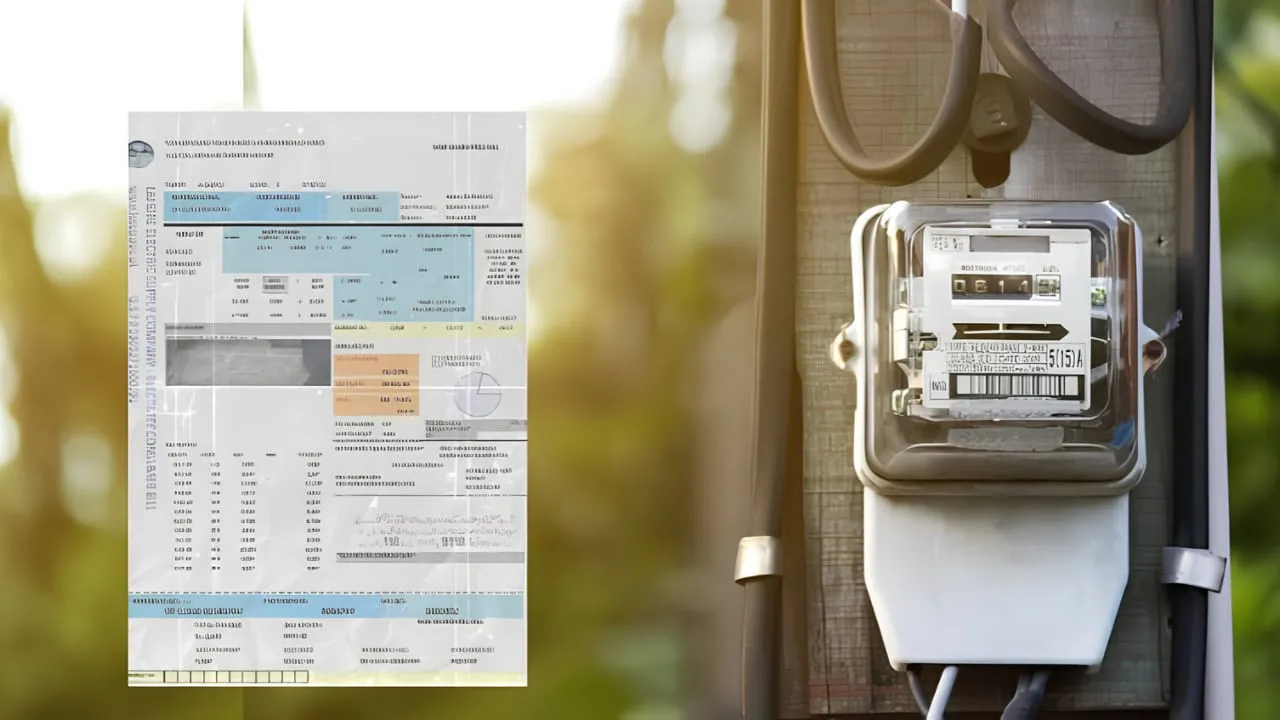
The Government of Pakistan has proposed limiting the rise in the monthly Fuel Cost Adjustment (FCA) on electricity bills to around PKR 0.83 per unit above September's level, including taxes. The Power Division said on Thursday, November 26, that the proposed cap would cover October through December 2026 and still requires approval.
Pakistan generates less hydropower in winter, increasing its reliance on thermal power plants. According to the Power Division, thermal fuels account for more than 80% of electricity generation in some winter months. That seasonal shift typically raises the cost of producing electricity.
This year, the Iran-US war has added to that pressure. The division said the conflict drove up international prices for coal and regasified liquefied natural gas (RLNG) in particular. With thermal plants supplying a larger share of winter electricity, those higher prices could push monthly fuel adjustments up substantially.
Why the Government Is Capping the Fuel Cost Adjustment
Electricity tariffs in Pakistan are composed of several components, the largest of which are the Fuel Cost Adjustment (FCA) and the Quarterly Tariff Adjustment (QTA). FCA reflects the cost of the fuel mix used to generate power, while QTA accounts for changes in operating and transmission costs. When international fuel prices surge, FCA can rise sharply, passing higher costs directly to consumers.
Historically, winter months have seen FCA spikes of several rupees per unit. In the 2022-23 winter, for example, FCA rose by more than PKR 5 per unit, contributing to a noticeable increase in household electricity bills. The proposed PKR 0.83 cap therefore represents a dramatic reduction compared with past winter adjustments.
How the Proposed Fuel Cost Adjustment Cap Would Work
The Power Division's proposed Forward-Looking Fuel Cost Adjustment (FFCA) mechanism uses the September 2026 FCA as its baseline. Under the proposal, the monthly adjustment for October through December could rise by around PKR 0.83 per unit above that figure. The amount includes taxes and applies specifically to the fuel adjustment component of the bill.
To reach the cap, the division says it will issue policy guidelines to the National Electric Power Regulatory Authority (NEPRA) once the required approvals are obtained. NEPRA would then instruct distribution companies to apply the capped adjustment when calculating consumer bills. The cap does not affect other tariff components such as the QTA, which will continue to be adjusted quarterly based on the regulator's formula.
Steps Already Taken to Contain Fuel Costs Earlier in 2026
The division said it had already taken steps to limit fuel costs between April and September 2026. It monitored fuel prices, implemented a publicly announced load management plan, and adjusted how it used available fuel supplies. It estimates those steps helped consumers avoid a potential additional FCA increase of PKR 6-7 per unit. Over those six months, the combined increase from the FCA and the Quarterly Tariff Adjustment (QTA) averaged PKR 2.38 per unit, including taxes.
Key actions included:
- Increasing the share of imported coal with lower spot-market prices.
- Temporarily reducing the dispatch of the most expensive RLNG-fired plants during off-peak periods.
- Negotiating short-term contracts with regional suppliers to lock in prices before the winter surge.
These measures illustrate how the Power Division can influence the fuel mix and, consequently, the FCA, even before a formal cap is introduced.
Background: Pakistan's Energy Mix and Seasonal Challenges
Pakistan's power sector relies on a combination of hydropower, thermal (coal, oil, gas, RLNG) and a small share of renewable sources such as solar and wind. Hydropower contributes roughly 30% of total generation during the monsoon season but drops below 10% in winter due to reduced river flows. The seasonal loss of cheap hydropower forces the system to lean heavily on thermal plants, which are more expensive to run.
Thermal generation is sensitive to global commodity markets. Coal prices are set on the Indian Ocean market, while RLNG prices are linked to the Henry Hub index and regional spot rates. Geopolitical events, such as the Iran-US conflict mentioned by the Power Division, can cause abrupt price spikes, especially for imported fuel.
Impact on Consumers, Businesses, and the Economy
Electricity bills are a significant expense for households and small businesses in Pakistan. According to the Pakistan Bureau of Statistics, the average monthly electricity bill for a residential consumer in 2023 was around PKR 3,500. A rise of PKR 5 per unit could add more than PKR 1,000 to that bill for a typical 200-unit consumption pattern.
By capping the FCA at PKR 0.83 per unit, the government aims to keep the additional cost for an average household below PKR 200 for the three-month winter period. For small manufacturing units that consume 1,000 units per month, the cap translates to a savings of roughly PKR 1,000 per month, or PKR 3,000 over the winter.
Beyond direct bill impacts, stabilising electricity tariffs helps mitigate inflationary pressure. Energy costs feed into the price of goods and services across the economy, so limiting a sharp FCA rise can help the State Bank of Pakistan manage overall inflation.
What Comes Next: Approval Process and Timeline
The proposal must pass through two key stages before it becomes operational:
- Cabinet Approval: The Power Division's recommendation will be reviewed by the federal cabinet, which decides on major fiscal and regulatory measures.
- Regulatory Endorsement: After cabinet sign-off, the division will forward policy guidelines to NEPRA. The regulator will then issue a formal order to distribution companies, specifying the cap's effective dates and calculation method.
Both steps are expected to be completed before the end of December 2026, ensuring the cap is in place for the first October billing cycle.
Practical Takeaways for Electricity Consumers
Consumers should watch for the following developments:
- Announcements from NEPRA regarding the exact calculation formula for the capped FCA.
- Monthly electricity statements beginning in October that show the FCA component limited to PKR 0.83 per unit.
- Any public notices from distribution companies about changes in billing cycles or payment deadlines.
Households can also reduce their exposure to any residual FCA increase by adopting energy-saving practices during winter, such as using LED lighting, improving insulation, and timing high-power appliances to off-peak hours.
Potential Challenges and Criticisms
While the cap is intended to protect consumers, some analysts warn that limiting FCA could reduce the financial incentive for power producers to procure fuel at market rates. If the cap is set below actual cost increases, distribution companies may face revenue shortfalls, potentially leading to delayed maintenance or deferred investments in grid upgrades.
The Power Division has indicated that the cap is a temporary, forward-looking measure for the three winter months only. By keeping the mechanism limited in time, the government hopes to balance consumer protection with the financial health of the power sector.
International Context: Fuel Price Volatility in 2024-2025
Global coal prices rose by roughly 12% in the first half of 2024, while RLNG spot prices increased by about 18% following the Iran-US conflict. These trends are consistent with the Power Division's observation that international fuel markets are under pressure. Pakistan's reliance on imported fuel makes it especially vulnerable to such shocks, reinforcing the need for policy tools like the FFCA cap.
In summary, the proposed PKR 0.83 per unit cap on the Fuel Cost Adjustment for October-December 2026 is a targeted response to seasonal fuel-price pressures and recent geopolitical developments. Its success will depend on swift cabinet approval, clear regulatory guidance, and effective communication to consumers.