Pakistani Astronaut Muhammad Zeeshan Ali Enjoys Halal Meals on Tiangong Space Station
Pakistan's first astronaut, Muhammad Zeeshan Ali, has butter chicken, beef nihari, lamb korma and curried chickpeas on the menu aboard China's Tiangong space station, after researchers prepared a dedicated halal food selection of more than 100 varieties for his stay.
The arrival of Ali at the orbital laboratory marks a major milestone for international cooperation in space exploration. It also represents a technical achievement in accommodating diverse dietary traditions in zero gravity, where standard terrestrial menus fail to meet nutritional and physical requirements.
How Researchers Prepared Halal Pakistani Space Food
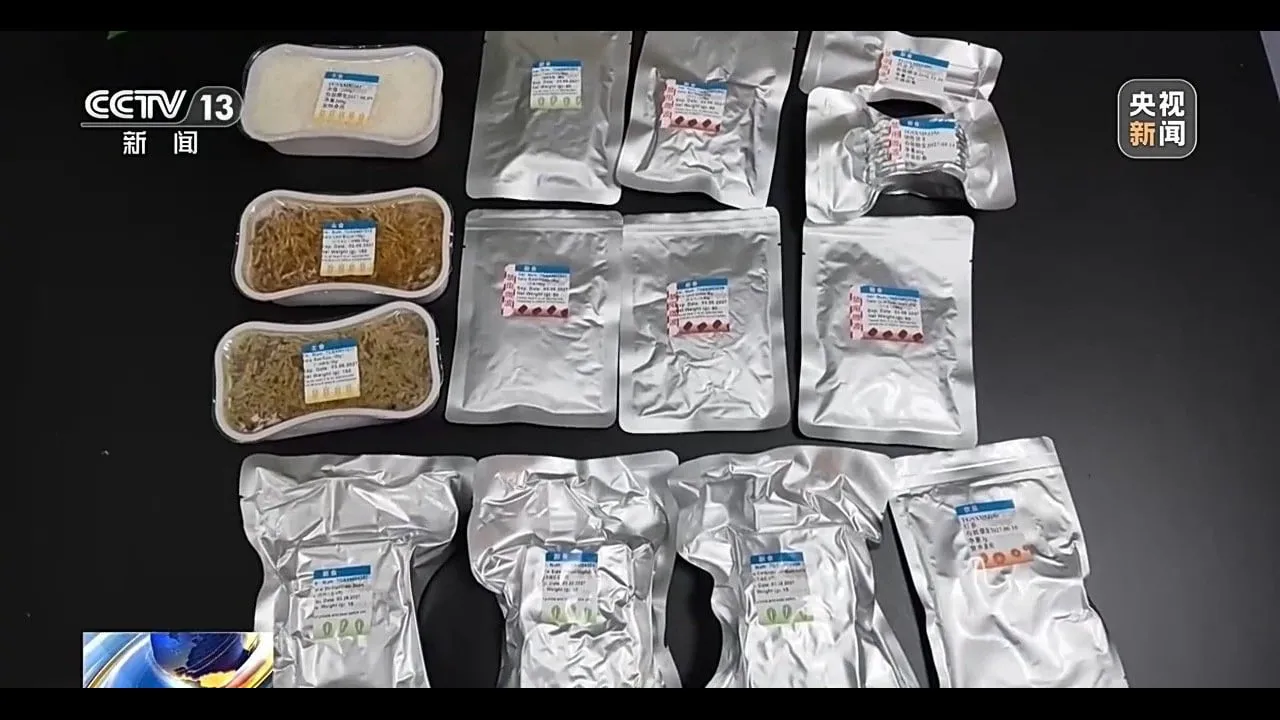
The meals were arranged by the China Astronaut Research and Training Center, which studied Pakistani food culture, halal requirements and nutrition standards, then adapted items from China's existing space food library, according to a CCTV News report carried by China Daily.
Preparing food for orbital missions involves strict scientific protocols to ensure safety, shelf life, and ease of consumption in microgravity. Researchers must prevent crumbs from floating into sensitive electronics while preserving the flavors that astronauts expect from their home cuisine.
As human spaceflight expands to include participants from various nations and cultural backgrounds, space agencies face the challenge of tailoring life support and provisions. Diet plays a psychological role in long-duration and short-duration space missions, as familiar tastes reduce stress and boost morale.
Seven Pakistani-Style Space Foods on the Menu
The center developed seven Pakistani-style space foods for Ali. Official reports have named four of them: beef nihari, lamb korma, butter chicken and curried chickpeas.
Chen Junli, a researcher at the center, said the team designed the recipes to meet energy and nutrition standards, used lighter and easier-to-digest food at the start of the mission, and took into account a preference for spices such as turmeric and curry. The entire production line was halal. The meals were taste-tested repeatedly and the recipes were refined, she said. Feedback during those tastings was positive.
Achieving authentic flavor profiles while adhering to strict spaceflight constraints requires specialized processing techniques. Food scientists must lock in moisture and spices without relying on heavy or loose ingredients that pose hazards in a weightless environment.
Chinese Rice and Tea Added at His Request
The original plan included Pakistani spiced milk tea. After arriving in China, Ali said he liked Chinese black tea and Chinese rice and asked for more of both to be packed for the flight, Chen said. Those items were added to the menu.
The Shenzhou-23 and Shenzhou-24 crews, six astronauts in all, will also share a special dinner during their overlap in orbit. Chen said that meal is built around dishes both crews enjoy. At other times, the astronauts can choose how they eat.
Sharing meals helps bridge cultural differences among crew members from different nations who live and work together in confined quarters. Dining customs serve as a vital social bridge during complex joint missions.
First Time China Prepares a Cross-Cultural Nutrition Plan
She said this was the first time China had put together a full nutrition plan for an astronaut from a different food culture, covering research, ingredients, recipes and how meals are eaten in orbit.
Ali arrived at Tiangong on Wednesday aboard Shenzhou-24 with commander Tang Hongbo and flight engineer Wu Yi, becoming the first Pakistani and the first foreign astronaut to visit the station. He is on a short stay and is due to return to Earth on Shenzhou-23.
This mission sets a precedent for future international partnerships involving the Tiangong laboratory. As orbital outposts host visitors from across the globe, customized dietary engineering will remain a key component of crew safety and mission success.