Federal Secretariat Employment Data Revealed by Establishment Division
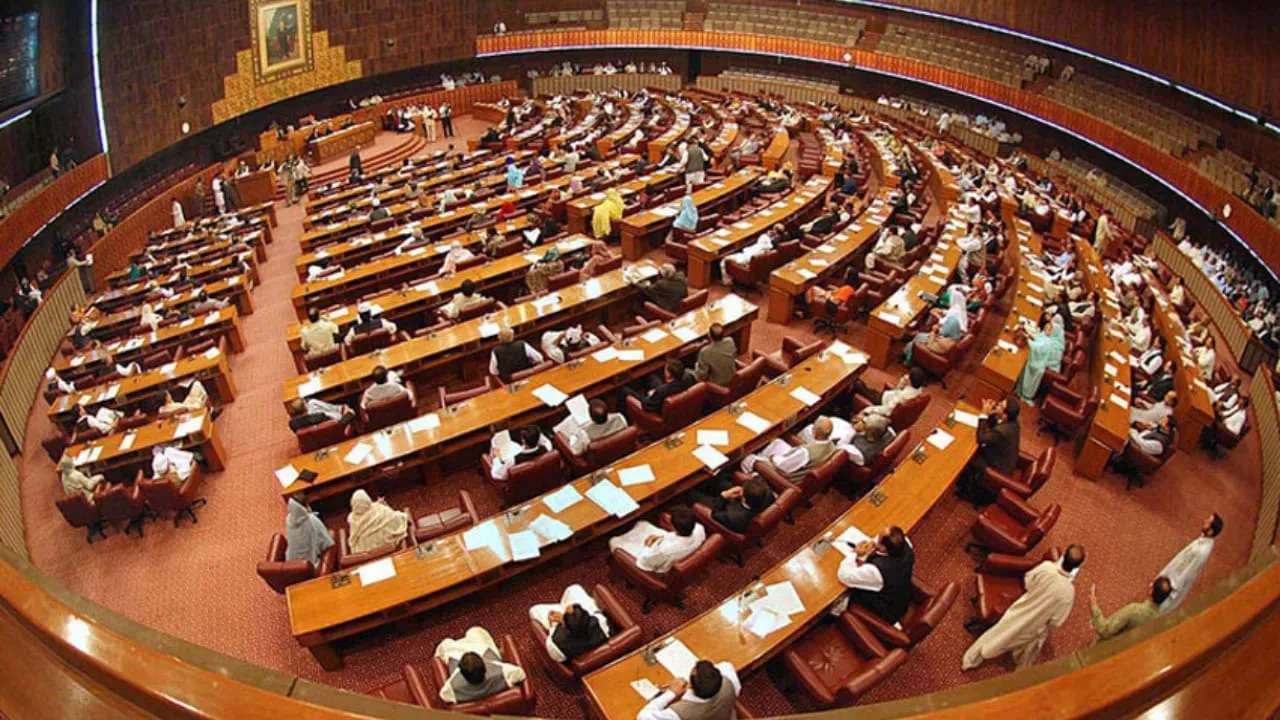
Punjab holds 60.17 per cent of posts in Basic Pay Scales 18 to 22 in the Federal Secretariat, according to information presented to a parliamentary panel on Monday. The Establishment Division shared these domicile-wise statistics for the year 2025-26 during a session of the Senate subcommittee. This disclosure brought the long-standing debate over federal job distribution and regional representation back into the national spotlight.
The Senate Standing Committee on Devolution operates a subcommittee that focuses on ensuring fair administration across regional lines. Senator Barrister Zamir Hussain Ghumro chaired the Monday meeting. Senators Jan Muhammad Buledi and Poonjo Bheel also attended the session to examine the figures provided by civil service authorities.
Lawmakers expressed deep concern over the heavy concentration of high-ranking bureaucratic positions held by a single province. The subcommittee demanded immediate rectification and strict enforcement of the constitutional shares of all provinces in federal employment and natural resources. Bureaucratic representation at the federal level remains a sensitive political issue involving inter-provincial harmony.
Constitutional Violations and Article 38(g) Requirements
The subcommittee stated that the current share held by Punjab violates Article 38(g) of the Constitution. This specific constitutional clause requires provincial shares to be maintained in federal services, corporations, and bodies established under federal law. Lawmakers argued that current hiring practices fail to uphold this legal standard.
Senator Ghumro stated that shares must be strictly maintained in all ministries and departments. He emphasized the need for equitable representation for all four provinces, placing special emphasis on the under-represented provinces of Sindh and Balochistan. Federal ministries employ thousands of administrative staff, and upper-tier management positions carry significant policy-making authority.
Historical grievances regarding federal employment quotas date back decades. Smaller provinces frequently argue that administrative centralization in the capital region disadvantages applicants from distant geographic areas. The committee stressed that constitutional provisions exist precisely to prevent such imbalances from becoming permanent structural features of the state.
Addressing the Rural-Urban Divide in Sindh Quotas
Senator Ghumro addressed internal provincial allocation methods during the meeting. He stated that the rural-urban divide applied to Sindh quota calculations runs contrary to Article 38(g). He directed that this internal division be abolished, insisting that only the overall provincial share be maintained, matching the practice used for other provinces.
The subcommittee expressed displeasure that the Establishment Division had failed to submit a rectification plan for Sindh, despite receiving clear directions in earlier meetings. Bureaucratic delays in presenting corrective measures frustrated the panel members. The committee reiterated its directions to submit a comprehensive plan within two weeks.
This two-week deadline applies not only to senior administrative brackets but also to positions spanning Basic Pay Scales 1 to 15. The subcommittee instructed officials to begin the appointment process immediately once the framework is adjusted. Clear timelines aim to force administrative compliance from recalcitrant departments.
Concerns Over Recruitment Transparency and Job Advertisements
Transparency in public sector hiring formed a major focus of the parliamentary discussion. Senator Ghumro raised serious concern over job advertisements that appeared custom-designed to favour specific individuals. He stated that recruitment must remain transparent, impartial, and entirely free from nepotism.
To combat irregular hiring practices, the subcommittee issued direct instructions to the Federal Public Service Commission. The commission must provide detailed reports regarding vacant posts and recent appointments from Sindh and Balochistan. These records will help verify whether recruitment boards adhere strictly to assigned provincial quotas.
Public sector employment offers secure livelihoods and career advancement. Ensuring that federal tests and interviews remain open to merit-based competition protects qualified candidates from being sidelined by politically connected applicants. Oversight bodies monitor these recruitment cycles to safeguard public trust in state institutions.
Measures and Exemptions for Balochistan Employment
The Establishment Division outlined several administrative steps taken to address employment deficits in Balochistan. Officials reported that 5,136 posts in Basic Pay Scales 1 to 15 were recently advertised specifically for candidates from Balochistan. These targeted drives aim to absorb local job seekers into the public machinery.
Officials also cited specific exemptions granted by the federal cabinet to facilitate applicants from Balochistan. These relaxations are designed to overcome systemic barriers such as educational infrastructure gaps or age limits that traditionally hinder regional candidates. Additionally, authorities referenced an ongoing plan to create 200,000 employment opportunities for the province.
Concluding the session, the Establishment Division assured the committee that comprehensive rectification measures would be implemented across all affected regions. Representatives promised that pending posts under the Sindh quota would be advertised without further delay. The Senate panel intends to review compliance reports during its next scheduled sitting.