Samsung Galaxy A58 Performance Details Emerge in New Leak
Samsung is preparing to introduce its next generation of mid-range smartphones, but early reports indicate that buyers might see fewer hardware changes than anticipated. According to a recent leak originating from a source on the social media platform X, the upcoming Samsung Galaxy A58 will retain the same processor found in the current model. This leak sheds light on the internal components of the device as development continues behind closed doors.
While manufacturers typically introduce a new processor with each annual iteration of a popular handset, Samsung appears to be taking a different approach for this release. Industry analysts and tech enthusiasts closely monitor these preliminary hardware disclosures to understand how the company plans to position its upcoming devices in a competitive market. The latest information suggests that incremental updates will define this particular product cycle for the brand.
Processor and Everyday Performance Expectations
The core of the discussion surrounding the device centers on its processing unit. The source on X claims the Galaxy A58 will use Samsung's Exynos 1680 processor. This is the exact same chipset that powers the current Galaxy A57. Using a repeat processor in a sequential release is an unusual move for a major product line, raising questions about how the manufacturer intends to attract consumers who already own the previous version.
There is a minor technical adjustment associated with the silicon, however. The upcoming model could feature higher CPU clock speeds compared to the older version. Despite this potential frequency boost, overall performance may remain largely unchanged during standard daily tasks. The tipster suggests users should not expect noticeable improvements in everyday performance. If the leak proves accurate, the Galaxy A58 could offer fewer upgrades than expected for individuals looking for a significant speed increase.
Camera Hardware and Minor Upgrades
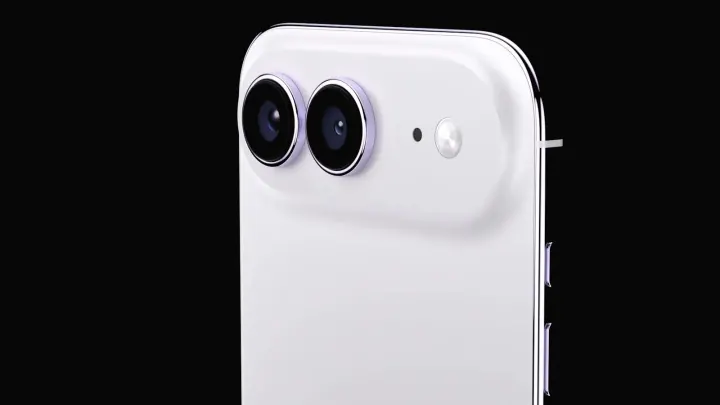
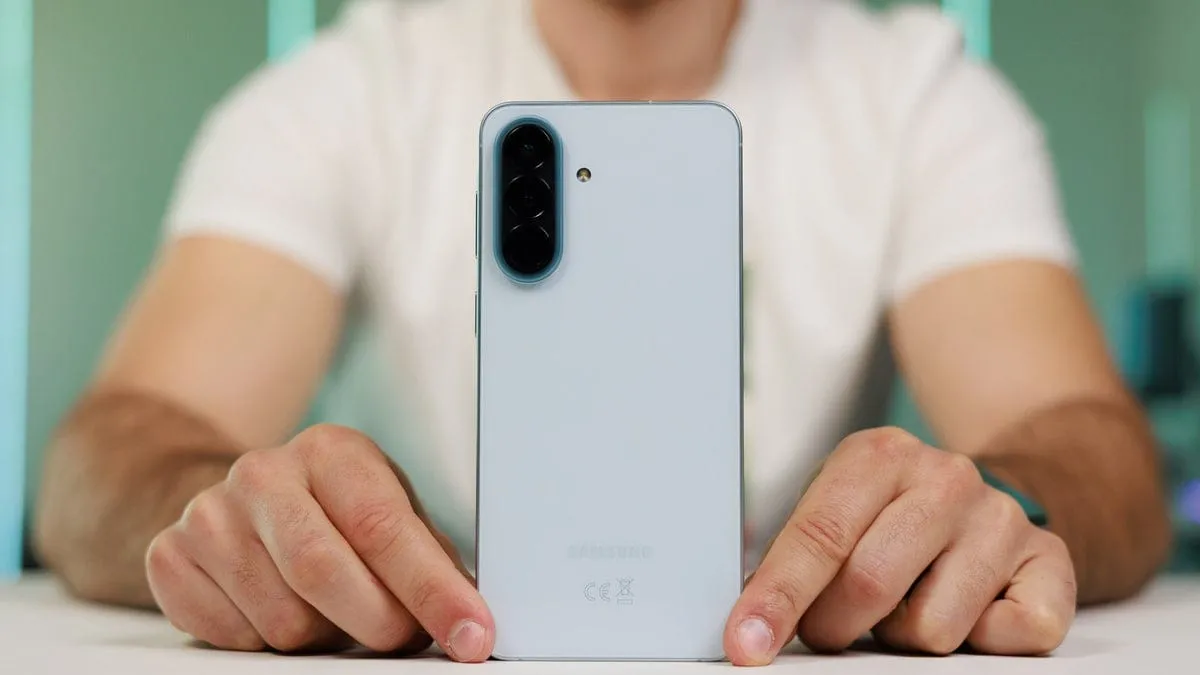
Processing power is not the only area where continuity seems to be the primary strategy for the manufacturer. This follows an earlier report suggesting Samsung will retain the same camera setup for the new release. The Galaxy A58 is reportedly getting identical cameras to the Galaxy A57. This means users will likely encounter the same photographic capabilities, sensor resolutions, and lens configurations that were present in the previous generation.
Together, these leaks point to a relatively minor hardware update across the board for the primary device in this series. When both the internal processing unit and the optical hardware remain static, the physical differences between successive generations narrow significantly. Consumers will need to weigh whether software support and minor clock speed adjustments justify purchasing the newer hardware when it eventually reaches store shelves.
Comparison With the Galaxy A38
While the primary model appears to focus on stability and retained components, other devices in the same product family may see more substantial revisions. Meanwhile, Samsung may launch the Galaxy A58 alongside the Galaxy A38. This parallel release strategy allows the company to cater to different segments of the mid-range market simultaneously, offering varying levels of innovation across different price points.
The smaller model could receive more noticeable hardware changes than its counterpart. A recent Geekbench listing suggests the Galaxy A38 will switch to a different chipset, marking a departure from its predecessor's internal architecture. Furthermore, the listing also points to a larger battery compared to its predecessor, which could provide a tangible benefit for daily usage and endurance.
Official Stance and What Comes Next
As is standard practice for major technology manufacturers, official confirmation remains pending. Samsung has yet to confirm details about either smartphone, maintaining silence while development and testing phases continue. Leaks of this nature provide an early glimpse into corporate plans, but specifications can still change before mass production concludes and commercial distribution begins.
More information should emerge as their launch approaches, giving consumers and industry observers a clearer picture of final pricing, regional availability, and official specifications. Until the manufacturer makes an official announcement, details regarding release dates and final feature sets remain subject to change. Buyers interested in these upcoming releases should monitor official corporate channels for verified announcements in the coming months.