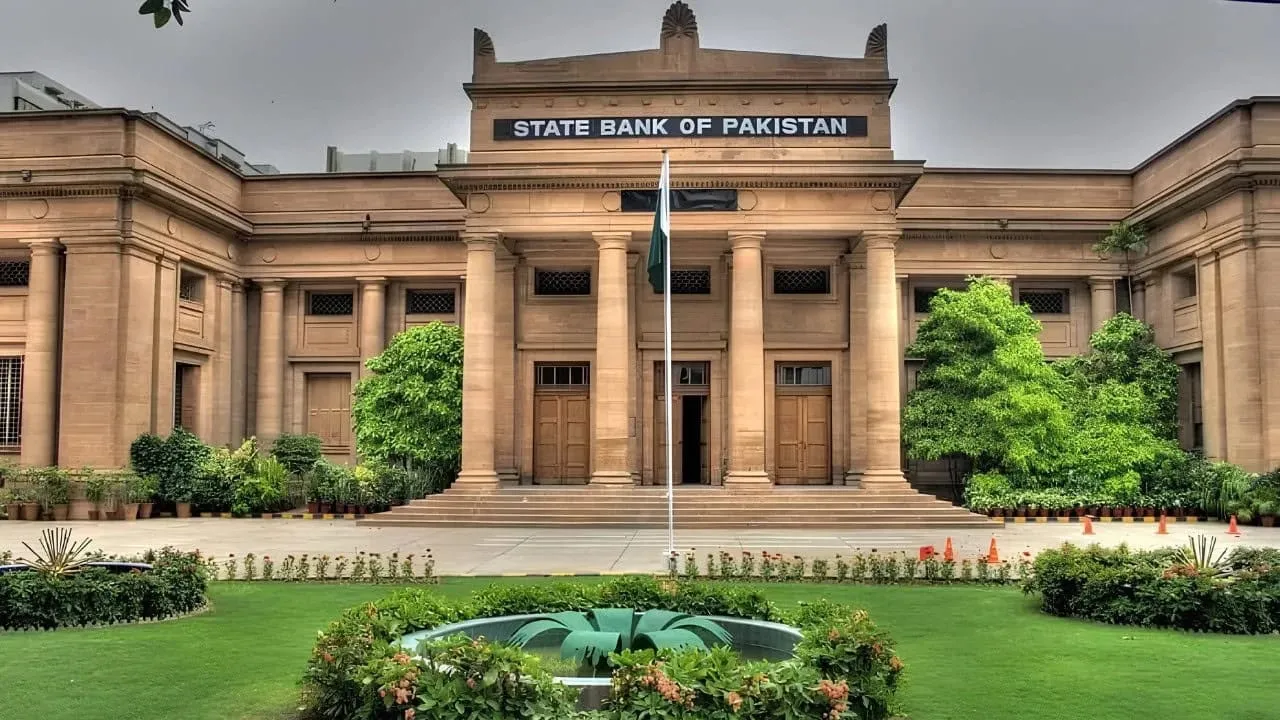
The State Bank of Pakistan increased its policy rate by 50 basis points to 12% today. The Monetary Policy Committee announced this decision during its third meeting of the 2026-27 fiscal year, matching broader market expectations.
Global Pressures and Inflation Trends
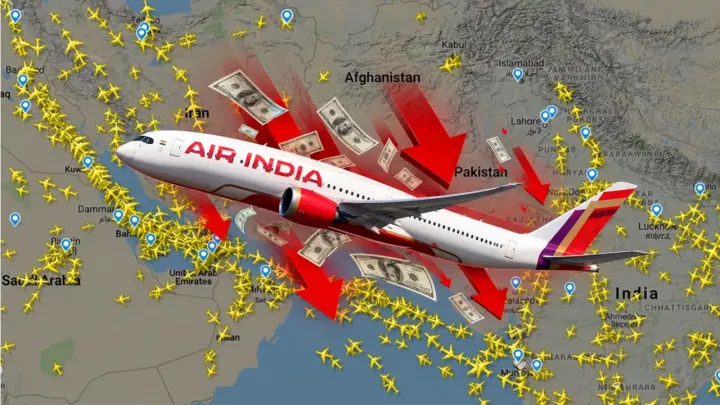
During its previous meeting on September 14, the central bank kept the rate unchanged at 11.5%. Current geopolitical realities forced a shift in strategy as the prolonged Middle East conflict continues to intensify, pushing global commodity prices higher while supply chain disruptions remain a persistent threat.
Domestically, macroeconomic indicators largely matched committee forecasts. Headline inflation jumped to 11.1% year-on-year in August from 9.2% in July, though September saw headline inflation drop to 10.26% while core inflation stayed slightly below expectations.
Analyst Expectations and Market Consensus
Financial experts largely anticipated the tightening measure. Topline Securities analysts expected the 50 bps increase due to ongoing uncertainty in the global energy supply chain.
A recent poll by Topline Securities showed that 54% of respondents expected a 50 bps rate increase, 7% expected a 100 bps increase, and 39% expected no change.
Foundation Securities also predicted the jump to 12.0%, pointing toward above-target inflation, oil price volatility, a thin real interest rate, and recent economic growth. This hike lifts the ex-post real interest rate to roughly 2.5% based on October estimates, up from 1.2% in September.
PIDE Advised a Conditional Hold on SBP Policy Rate
The Pakistan Institute of Development Economics originally urged the central bank to maintain the status quo, arguing current macroeconomic conditions did not justify an immediate rate hike.
While PIDE acknowledged the challenging inflation outlook and rising weekly price pressures, they favored a conditional hold, stressing that available economic evidence does not yet demonstrate generalized demand overheating.