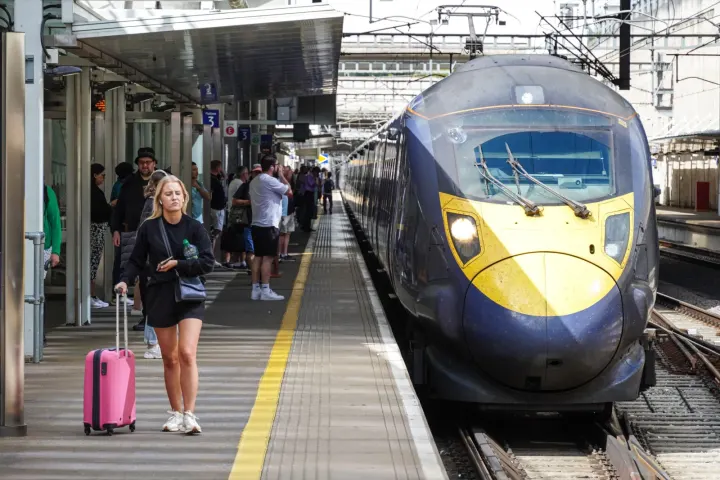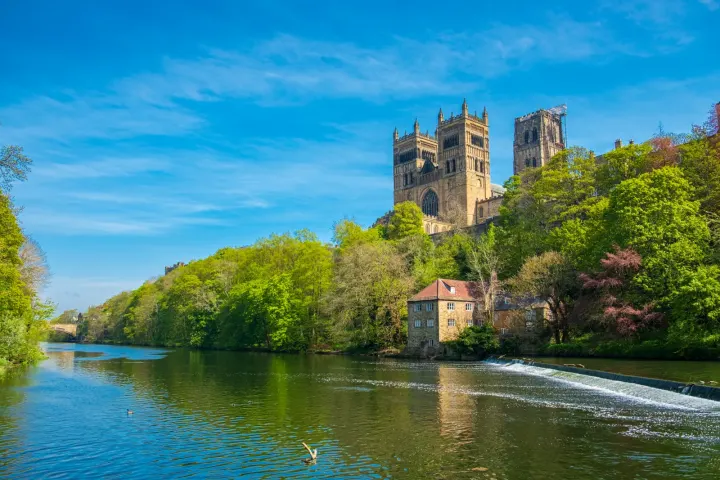
British holidays may soon cost significantly more following the introduction of fresh overnight tourist tax regulations revealed during the Budget presentation.
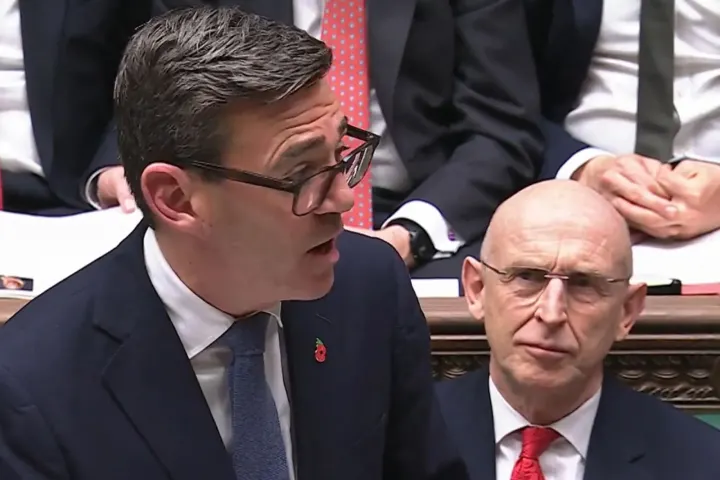
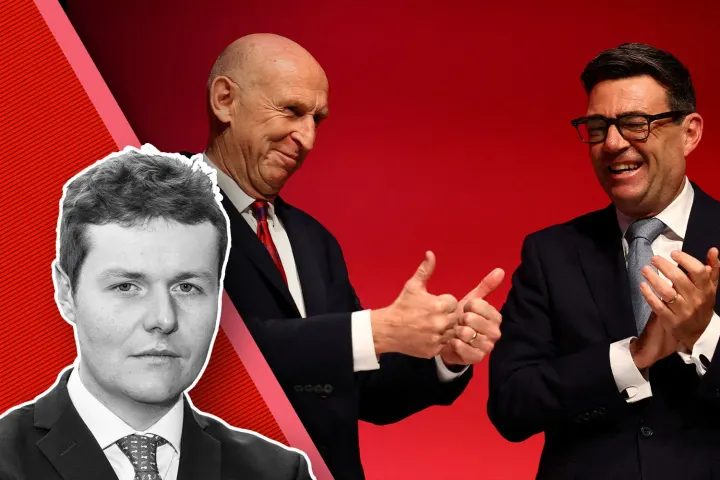
Prime Minister Andy Burnham opened the path for the tourist tax, which introduces an additional fee for families taking domestic staycations and could cost them an extra £100.
Outlined within the Autumn Budget, Andy Burnham discussed the measure formally known as the overnight visitor levy, scheduled for implementation by 2028.
This policy permits local councils across England to levy an extra charge on visitors staying overnight at bed and breakfasts, hotels, holiday parks, and holiday lets.
While the fee remains officially uncapped, regional Labour mayors in England have committed to limiting it to five per cent.
UK Hospitality estimates that the charge could still increase a two-week family vacation by up to £100, calculated at £2 per person for each night.
Funds collected from this tax are intended for reinvestment into municipal infrastructure and local communities.
Addressing the levy, Butlin's CEO Jon Hendry Pickup stated, "The Government still hasn't explained how a Holiday Tax will work in practice or whether it will actually achieve that objective."
He added, "If local areas are going to retain significantly more business rates revenue, alongside a share of income tax, the case for adding another tax on British families taking a holiday in their own country becomes even harder to understand."
He further noted, "We've consistently warned that making UK destinations more expensive risks deterring the very visitors whose spending supports local economies."
He concluded, "Giving regions the power to invest can have a positive impact, but it shouldn't come at the expense of UK families booking a holiday."
Visitors might avoid the visitor fee entirely because certain locations could choose not to adopt it.
England divides into 14 distinct regions governed by individual mayors, and applying the tourist tax depends entirely on their discretion.
Labour mayors are expected to implement the tax, with supportive areas including Greater Manchester, Greater London, West Midlands, Liverpool City Region, South Yorkshire, West Yorkshire, North East, and York and North Yorkshire.
Urban centres within these territories, such as Manchester, Birmingham, Leeds, and Newcastle, alongside nearby towns, will likely adopt the additional fee.
Conversely, regions led by Conservative and Reform UK mayors might skip the levy entirely.
Greater Lincolnshire Mayor Dame Andrea Jenkyns stated that she will reject the tourism tax because it risks driving visitors away from the area.
Tees Valley Conservative Mayor Ben Houchen previously dismissed the idea of implementing any tourist tax last year.
Cambridgeshire and Peterborough Mayor Paul Bristow posted on X that "this is not the time to put extra costs on staying overnight in #Cambridgeshire and #Peterborough."
Areas lacking an elected regional mayor, such as Cornwall which attracts numerous summer tourists, remain uncertain.
Cornwall currently lacks a countywide mayor but explores establishing a foundation strategic authority by 2028.
Implementation of the levy may also shift following local elections if the governing political party changes.