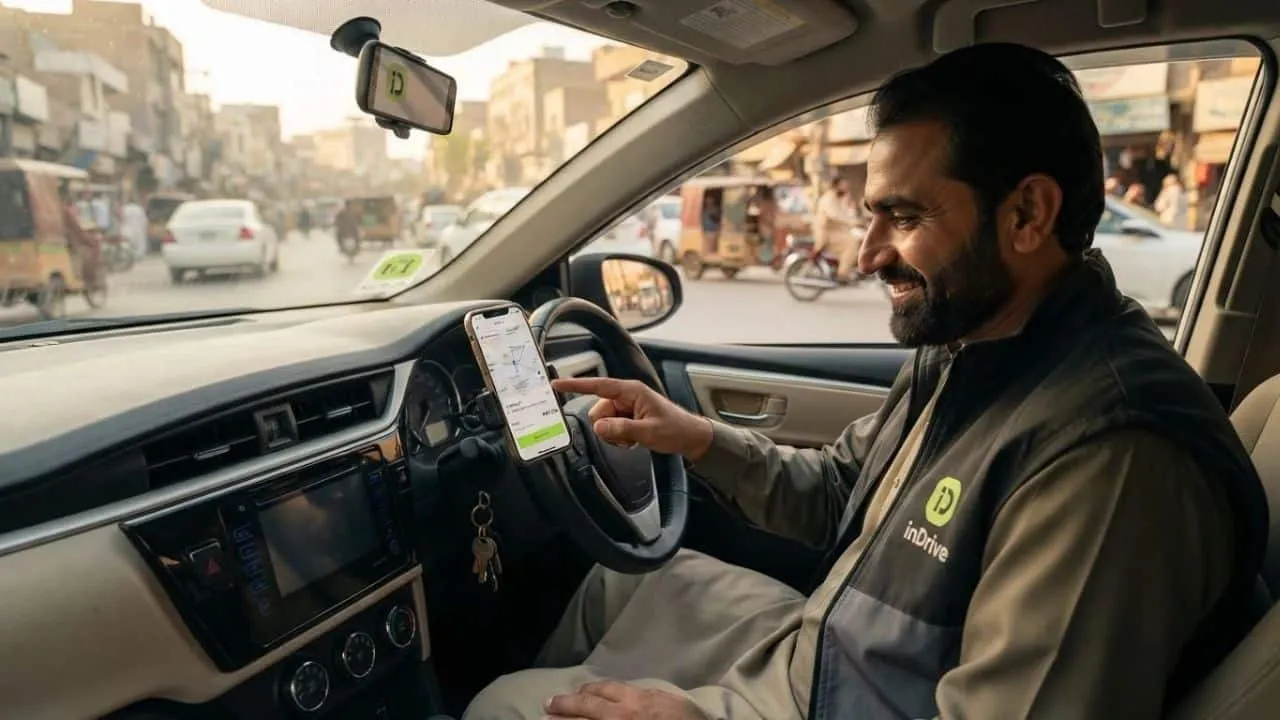
Why Ride-Hailing Drivers in Pakistan Chose Bidding in 2026
The transportation sector in Pakistan continues to change as independent workers search for adaptable income sources, increased autonomy over their daily tasks, and clear fee systems. Traditional models relied heavily on rigid pricing dictated entirely by algorithms, leaving operators with little influence over their revenue per trip. Within this transforming environment, peer-to-peer pricing negotiations have emerged as a prominent alternative that grants operators direct influence over their transactions.
The shift toward flexible arrangements reflects broader economic pressures and the desire for fair compensation in the local gig economy. Operators navigating rising costs for fuel and vehicle upkeep require systems that respond dynamically to market realities rather than static pricing tables. By participating directly in setting tariffs, workers can better balance their operational outlays with the revenue generated from each journey.
Platforms implementing peer-to-peer pricing structures, such as inDrive, have captured significant attention by structuring their services around mutual agreement rather than forced assignments. This operational shift alters how transport services function day to day, giving individuals behind the wheel the ability to evaluate requests based on comprehensive trip information before committing their time and vehicle resources.
How the Fare Bidding Process Works for Drivers
The mechanics of peer-to-peer pricing give operators complete visibility before a trip begins. Before accepting any transit request, individuals can inspect crucial details regarding the journey. This preliminary data empowers workers to make informed choices about their time and fuel expenditure.
Essential details visible to drivers prior to acceptance include:
- The exact pickup location and intended destination
- The passenger rating reflecting past platform conduct
- The initial fare proposed by the commuter
Armed with these specifics, the person behind the wheel can decide whether the trip matches their operational criteria. If the initial proposal is too low given the distance or expected traffic congestion, workers are not forced to accept the terms. Instead, they maintain the freedom to ignore the prompt entirely or formulate an alternative price point.
Flexibility and Counteroffers in Daily Operations
The ability to submit a counteroffer transforms the dynamic between commuter and driver from a rigid transaction into a flexible negotiation. When reviewing a ride request, operators can propose a different rate based on real-world variables such as heavy traffic jams, extended distance, or prevailing fuel expenses.
This negotiation capability ensures that individuals can protect their profit margins during peak hours or challenging weather conditions. If a commuter accepts the counteroffer, the trip proceeds under mutually agreed financial terms. If no agreement is reached, both parties simply move on without penalty, allowing drivers to focus immediately on more lucrative or convenient opportunities nearby.
Such scheduling autonomy helps operators manage their daily routines more effectively. Whether someone chooses to work split shifts to avoid rush hour or aims to complete a specific number of journeys during morning commuting hours, the system accommodates individual preferences without imposing mandatory hours or acceptance rate penalties.
Understanding Platform Commissions and Financial Transparency
Financial clarity remains a primary driver for individuals entering the gig economy. Traditional transport apps often deduct substantial percentages from each fare, leaving workers with narrow margins after accounting for vehicle depreciation and operational overhead. In contrast, lower platform fees create a more sustainable financial model for independent operators.
The commission structure used by inDrive generally ranges from 5% to 10%, allowing workers to retain a much larger share of their hard-earned revenue. This transparent fee framework ensures that deductions are easily understandable, enabling drivers to calculate their exact take-home pay at the end of each shift.
Accurate income estimation simplifies financial planning for recurring household and business expenses. Operators can reliably set aside funds for routine vehicle maintenance, fuel purchases, and family needs without worrying about hidden administrative charges or unpredictable fee adjustments eating into their daily profits.
Incentives, Loyalty Programmes, and Family Support
Beyond the immediate revenue generated from individual trips, supplementary reward systems provide substantial value to dedicated workers. Throughout 2026, platforms have maintained various promotional initiatives designed to reward consistent participation and ease the burden of daily driving costs.
Common supplementary initiatives include:
- In-app financial bonuses for achieving specific trip milestones
- Targeted fuel voucher campaigns to offset rising energy costs
- Tier-based loyalty structures offering enhanced perks for high-performing operators
For top-tier participants qualifying in the Platinum and Legend categories, support extends well beyond financial incentives into family-oriented welfare. These elite drivers gain access to specialized educational programmes for their children, focusing on science, technology, engineering, mathematics, and artificial intelligence education. Such comprehensive support acknowledges the broader needs of workers and their households.
Safety Measures and Health Protection on the Road
Spending extended hours operating vehicles in busy urban environments exposes workers to various physical and financial risks. Comprehensive safety nets are therefore essential for maintaining driver confidence and well-being. Modern transport platforms integrate multiple layers of protection to address emergencies and daily operational concerns.
Accident and health insurance coverage provides critical financial assistance when medical emergencies occur on duty. Additionally, technological safeguards help mitigate risks during transit. These protective features include AI-moderated in-app communication channels, audio recording capabilities for dispute resolution, and round-the-clock support teams ready to assist whenever complications arise during a journey.
The Future of Pakistan Mobility and Worker Participation
The enduring popularity of peer-to-peer pricing models highlights a broader demand for fairness and participation in the digital economy. Treating operators as active decision-makers rather than passive recipients of automated tasks redefines industry standards across the country.
As the mobility sector in Pakistan matures, systems prioritizing transparency, flexibility, and genuine partnership will likely guide market evolution. When workers retain control over their pricing and schedule while enjoying robust safety and family benefits, the entire transport ecosystem achieves greater stability and long-term sustainability.