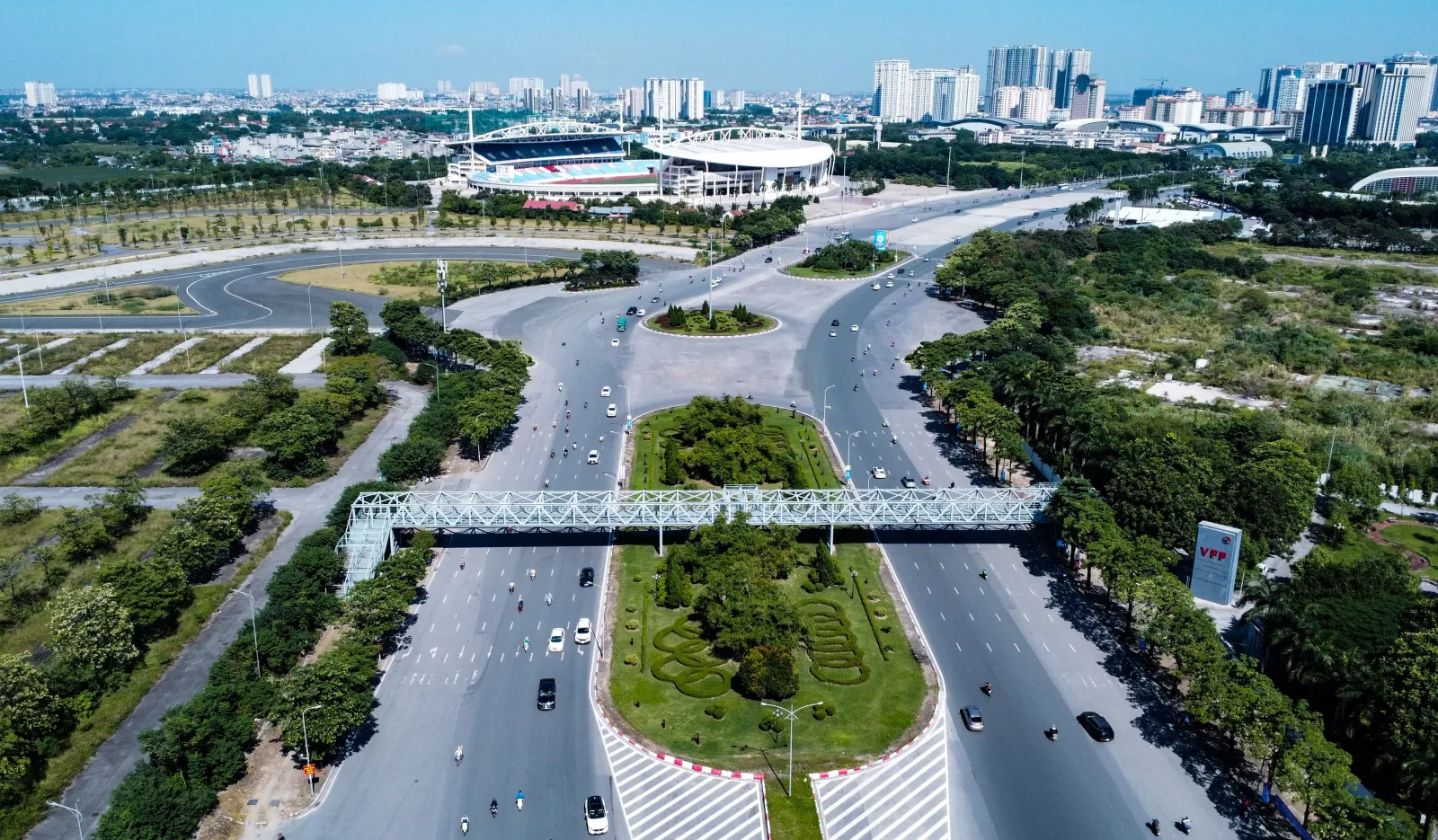
An abandoned Formula One circuit which cost a reported £540million to build is set to be given a new lease of life as the home of a popular television show. The Hanoi Circuit in Vietnam was constructed specifically to host F1 races but has never staged a Grand Prix despite being completed almost seven years ago. The facility represents one of the most expensive motorsport infrastructure projects of its era, yet it sat largely empty as plans for elite racing evaporated.
However, the venue is reportedly set to welcome contestants for the sixth series of Vietnam's version of Ninja Warrior, known locally as Sasuke. Filming will move to the Hanoi Circuit after the previous five series were recorded at Becamex Tokyu Garden City in southern Vietnam. The adaptation of the endurance obstacle format will bring high-energy physical competition to the sprawling asphalt areas that were originally meant to host racing cars.
The popular obstacle course show originally aired between 2015 and 2019 before the coronavirus pandemic disrupted plans for a sixth series. Vietnamese broadcaster VTV confirmed earlier this year that the programme was preparing to return after a seven-year absence. Fans of the endurance contest will see competitors tackle demanding physical challenges across the massive site, transforming the quiet grounds into an active television production hub.
How the £540 Million Hanoi Circuit Was Built for Formula One
Ironically, the pandemic was also responsible for derailing Hanoi's ambitious plans to establish itself as a destination on the F1 calendar. The inaugural Vietnamese Grand Prix was scheduled for April 2020, with the spectacular 3.48-mile circuit featuring 23 corners and nine grandstands named after regions across the country. Organizers invested heavily to create a world-class street and purpose-built hybrid track that could rival iconic venues across Europe and the Americas.
Renowned circuit designer Hermann Tilke's company worked alongside F1 to create the track, which incorporated elements inspired by iconic motorsport venues around the world. Sections of the layout drew design cues from legendary circuits like the Nürburgring, Monaco, and Suzuka. The intricate engineering effort aimed to produce thrilling racing and wide overtaking opportunities for the fastest drivers in the world.
But the race was initially postponed before being scrapped altogether, while hopes of staging it in 2021 suffered another blow following the arrest of Hanoi mayor Nguyen Duc Chung, a driving force behind the project, on unrelated corruption charges. Without political backing and facing global travel restrictions, the Grand Prix dream dissolved before a single competitive lap could be turned. The multi-million-pound investment was left without its centerpiece sporting event.
What Happened to the Unused Vietnamese Grand Prix Venue
Vegetation has since engulfed sections of the circuit, although parts of the site have been used by local cyclists and motorcyclists. Nature began reclaiming the pristine tarmac and paddock areas, turning parts of the grand facility into an impromptu recreational park for local residents. The stark contrast between the multi-million-pound investment and the overgrowing weeds became a symbol of dashed sporting ambitions.
Gaming enthusiasts have also been able to experience the track through the official F1 2020 video game. Codemasters and Electronic Arts included the layout in their virtual racing title, allowing millions of players to race around the 23 corners digitally even though real-world drivers never got the chance. This digital representation kept the circuit famous among global gaming communities while the physical asset remained dormant.
There are currently no confirmed plans to bring Formula One to Vietnam, but the proposed arrival of Ninja Warrior could finally see the multimillion-pound venue find a purpose. Broadcasters and event organizers see vast potential in using the wide-open spaces, pit buildings, and paved expanses for large-scale physical entertainment. The transition from motorsport to obstacle racing marks a practical turn for a venue that struggled to find its footing in the global sports industry.