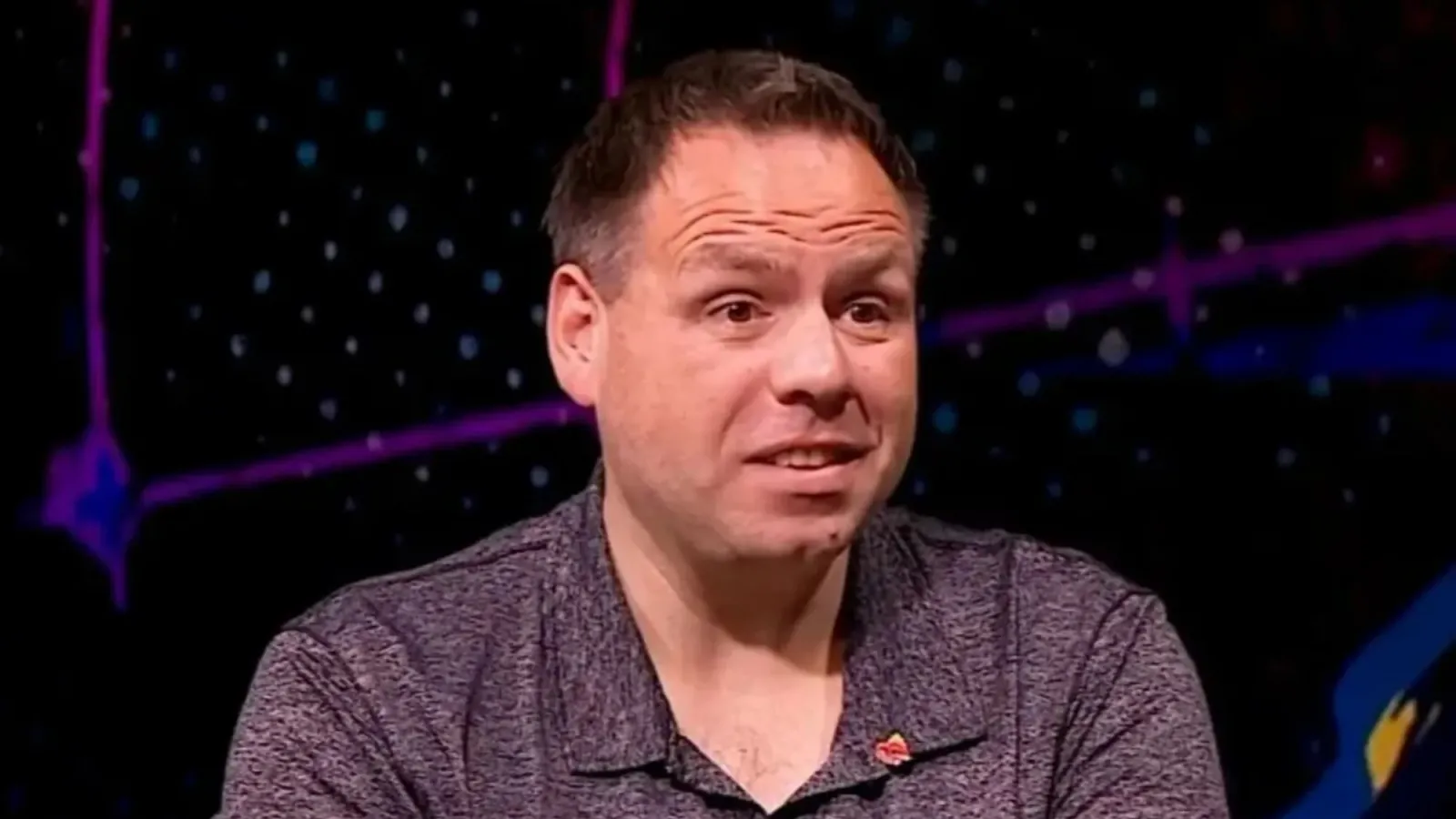
Adrian Lewis Proposes New Darts Royal Rumble Format
Two-time world champion Adrian Lewis wants to see a darts Royal Rumble event created to capitalise on the sport's massive surge in popularity. His comments follow the recent broadcast of a lucrative television special that captured international attention and showcased the changing nature of professional competition. The sport has experienced unprecedented growth in recent years, drawing larger audiences, bigger prize funds, and increased media coverage across digital and traditional platforms.
Netflix laid on the lucrative Beat Luke Littler show last month in a never-before-seen format that netted Fallon Sherrock a whopping £501,000 prize. Producers selected 20 opponents to take on the world No1 in a succession of single-leg shootouts. The first player to beat him, which turned out to be prominent women's player Sherrock, was promised just over half a million pounds. Littler admitted afterwards he thought he would be playing against pub players.
How a Darts Royal Rumble Would Work
The proposed concept would follow the WWE famous battle royal format in which contestants are drawn in a random order. Numbers one and two would kick off the competition, with the winner of each shootout staying on until the 30th and final entrant steps up to the oche. Popular entrances like Stephen Bunting's Bulletproof or surprise appearances from the likes of retired legend Phil Taylor could add to the spectacle.
Adrian Lewis was still a fan of the idea, saying in SunSport's Grand Slam of Darts preview, I'd love anything like that. It's more exposure isn't it, really? You'd just enjoy it. He added, I still think something like that Royal Rumble where you just get different players going in, start Luke Littler off first, everybody coming in and playing against him, I think it'd be brilliant.
The Growing Popularity and Evolution of Professional Darts
Prominent players, such as Luke Humphries, have championed the idea as a potential non-ranking event that could attract new fans to the sport. These are unprecedented times for darts, which is not lost on Lewis, who won his world titles in 2011 and 2012. He said, Even doing podcasts on a regular basis, you wouldn't have been doing that 10 years ago. It just shows you how much it's come on.
The sport has evolved from traditional pub games and smoky working men clubs into a global entertainment spectacle. Major tournaments now fill arenas with tens of thousands of fancy-dress-wearing fans, generating substantial television ratings and sponsorship deals. Exhibition formats and streaming platform specials have introduced the game to entirely new demographic groups who might never watch a standard ranking tournament.
Background on Recent Innovations in Darts Entertainment
Television executives and sports promoters have experimented with alternative formats to maintain viewer interest outside the traditional calendar of ranking majors. The Beat Luke Littler special represented a major shift towards high-stakes, entertainment-first broadcasting. By pitting a single dominant star against a succession of challengers with a massive cash prize on the line, producers created high drama that resonated beyond regular sports bulletins.
Fallon Sherrock victory stands as a landmark moment in the recent history of the sport, cementing her status as a trailblazer. Her triumph proved that unconventional broadcast events can deliver genuine sporting achievements alongside entertainment value. The inclusion of diverse players from across the spectrum of the game demonstrates how modern broadcasting can elevate different segments of the talent pool.
What Next for Innovative Darts Exhibition Tournaments
While a full Royal Rumble style tournament remains a proposal discussed by players and pundits, the appetite for experimental formats is clearly established. Governing bodies and independent promoters frequently evaluate new ways to package the game for television and streaming services. Fans can expect further novelty matches and special events as broadcasters look to replicate the viral success of recent streaming ventures.
Players continue to embrace media opportunities that would have been unimaginable during previous eras of the sport. Regular podcast appearances, social media engagement, and participation in high-concept television shows have become part of a professional player's routine. As the industry expands, events blending traditional skill with theatrical presentation are likely to remain a permanent fixture of the entertainment calendar.





