Emergency hospital admissions for high blood pressure have risen by a whopping 77 per cent since 2019/20, figures show, and NHS England is now urging every Briton aged 40 to 74 to claim a free NHS health check.
The surge in hypertension-related emergencies has prompted the health service to send a direct call to GP surgeries, reminding them to invite eligible patients every five years and to reach out to those who have not yet attended.
Why the NHS is Targeting the Over-40 Age Group
High blood pressure, medically known as hypertension, is a leading risk factor for heart attacks, strokes, heart failure and chronic kidney disease. The condition is often called a "silent killer" because most people experience no obvious symptoms until serious damage has occurred.
Data released by NHS England shows that emergency admissions for hypertension rose from 24,481 in the 2019/20 financial year to 43,306 in 2025/26 - an increase of 77 per cent. Women accounted for a third more cases than men, highlighting a gender gap that may reflect differences in health-seeking behaviour or underlying risk profiles.
Helen Williams, national clinical director for cardiovascular disease prevention at NHS England, said: "The increase in people needing emergency care due to high blood pressure is alarming. High blood pressure is a major risk factor for heart attacks, strokes, heart failure and chronic kidney disease, and in many cases it can be detected and treated earlier."
What the Free NHS Health Check Involves
The NHS health check is a preventive programme aimed at adults aged 40 to 74 who do not already have a diagnosed heart condition, diabetes or kidney disease. The appointment lasts between 20 and 30 minutes and typically includes:
- Measurement of height, weight and waist circumference
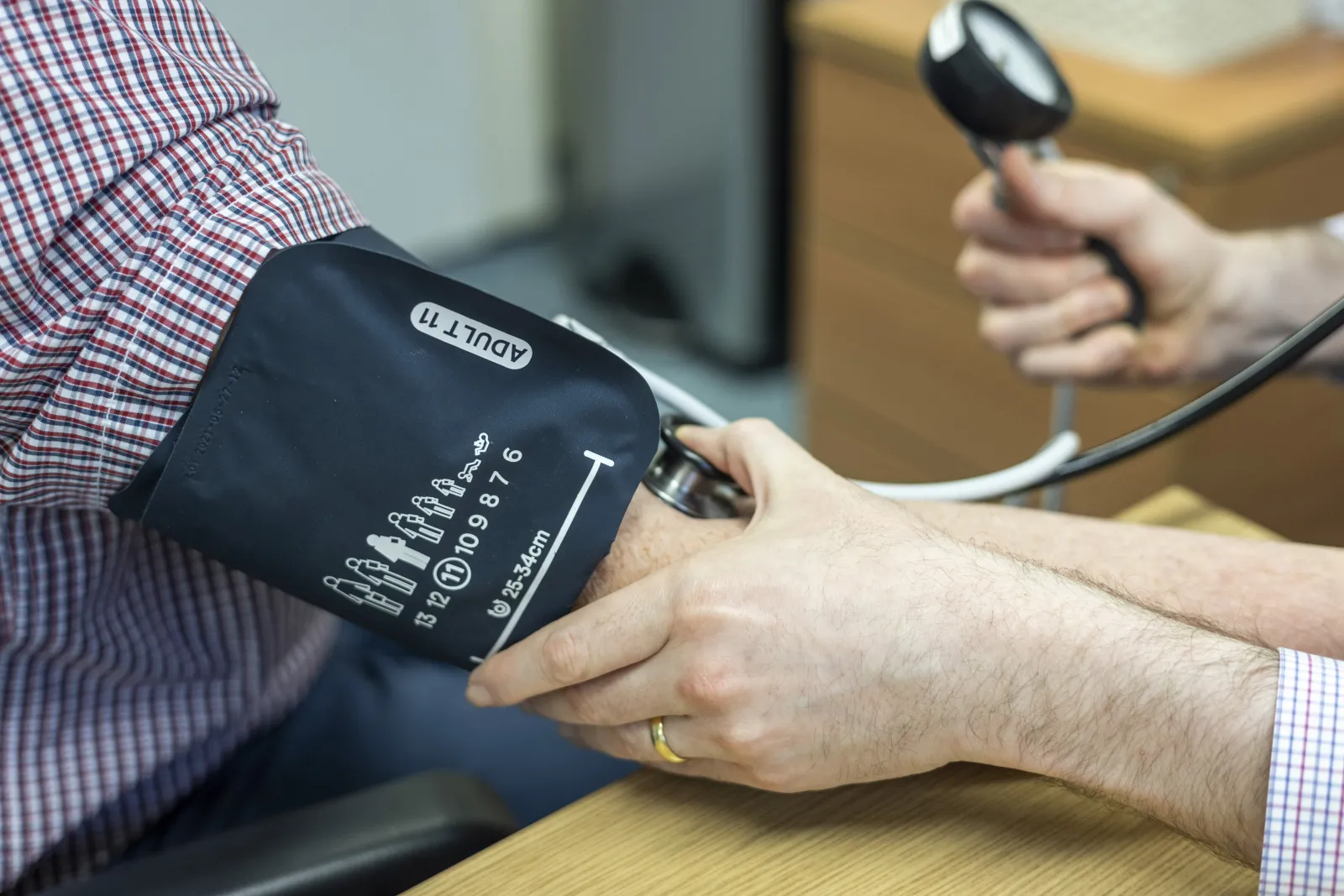
- Blood pressure reading
- Blood cholesterol test
- Optional blood-sugar test
- Questionnaire about family medical history, smoking, alcohol consumption and physical activity
Patients can also obtain a blood pressure reading at most community pharmacies, providing an additional, convenient access point.
Uptake of the Health Check Programme
In the 2025/26 period, NHS England invited 3.8 million people to attend a health check, but only 1.3 million actually took up the offer. The low uptake rate has raised concerns among public-health officials, who argue that increasing participation could blunt the rise in emergency admissions.
Ms Williams stressed that "knowing your numbers is one of the most important steps people can take to protect their heart health". Early detection allows clinicians to prescribe lifestyle advice or medication before the condition progresses to a crisis.
Eight Warning Signs That May Indicate Hypertension
Although hypertension rarely produces symptoms, experts say certain signs can hint at elevated blood pressure. The NHS lists eight indicators that should prompt a check:
- Severe headaches
- Fatigue or confusion
- Vision problems
- Chest pains
- Difficulty breathing
- An irregular heartbeat
- Blood in the urine
- Pounding in the chest, neck or ears
Anyone experiencing one or more of these signs should seek a blood pressure measurement promptly, even if they feel otherwise well.
Who Is Most at Risk?
Blood Pressure UK estimates that around one in three British adults have hypertension, yet half of those individuals remain undiagnosed. The risk rises sharply with age, especially after 65, and is amplified by factors such as:
- Overweight or obesity
- Physical inactivity
- Family history of high blood pressure
- Excessive alcohol consumption
- Smoking
Understanding these risk factors helps patients and clinicians target preventive measures more effectively.
Practical Steps to Lower Blood Pressure
Doctors recommend a combination of lifestyle modifications to bring blood pressure into a healthier range:
- Lose excess weight through a balanced diet and regular exercise
- Increase aerobic activity - at least 150 minutes of moderate-intensity exercise per week
- Adopt a diet rich in fruits, vegetables, whole grains and low-fat dairy (the DASH diet is often cited)
- Limit alcohol intake to no more than 14 units per week for both men and women
- Quit smoking and avoid exposure to second-hand smoke
- Manage stress through relaxation techniques, mindfulness or counselling
When lifestyle changes are insufficient, clinicians may prescribe antihypertensive medication, which has been shown to reduce the risk of stroke and heart attack by up to 30 per cent.
What Happens Next: NHS Plans and Public Guidance
NHS England has pledged to increase outreach to the over-40 population, including:
- Automated reminders sent by text or email to patients who have not attended a health check in the past five years
- Community-based pop-up clinics in shopping centres and libraries to make the service more accessible
- Enhanced training for GP staff to identify patients with risk factors during routine appointments
The health service also intends to publish quarterly updates on hypertension admissions, allowing policymakers and the public to track progress.
While the exact timeline for these initiatives is still being finalised, the next round of invitations is expected to be dispatched in early 2027, with a target of reaching at least 80 % of the eligible population by 2029.
Key Takeaways for Readers
If you are aged 40-74 and have not had an NHS health check in the last five years, contact your GP practice immediately. A quick blood pressure reading can reveal a silent risk and open the door to early treatment.
Remember the eight warning signs, monitor your lifestyle habits, and consider a pharmacy-based check if you cannot secure a GP appointment promptly.
By taking these steps, individuals can help curb the alarming rise in emergency hypertension admissions and protect their long-term cardiovascular health.