Nigel Farage Warns China Controls Vladimir Putin
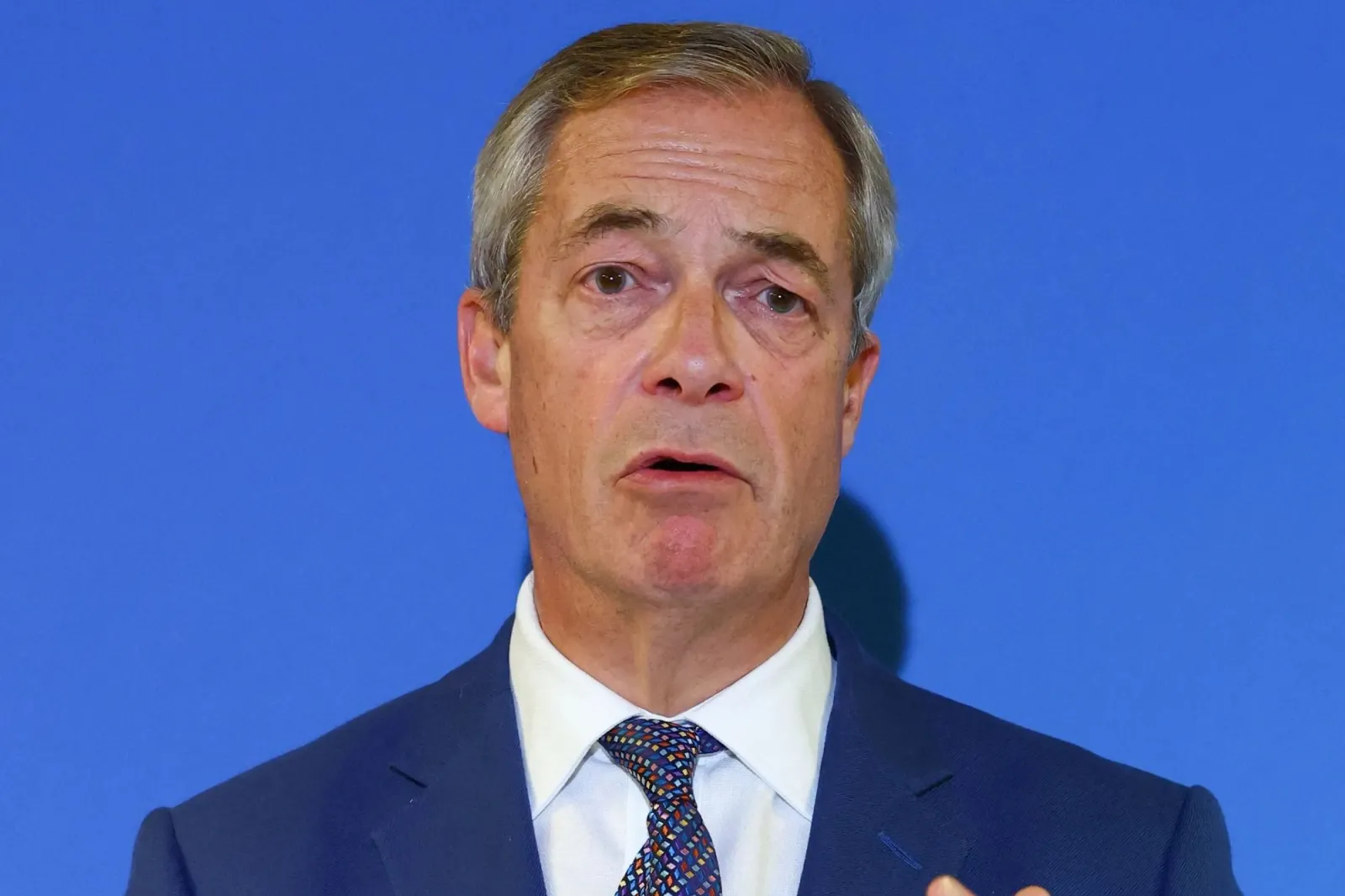
Reform leader Nigel Farage has issued a stark warning that Beijing is constructing a disturbing new global order with Russian President Vladimir Putin firmly under its control. Speaking ahead of a high-stakes diplomatic gathering, Mr Farage analyzed the shifting dynamics between major global powers and pointed to a growing imbalance in the international arena. He stated that Chinese leader Xi Jinping would ultimately dominate a trilateral meeting involving the Russian leader and Donald Trump.
The diplomatic encounter took place in Shenzhen, bringing together three powerful figures in a session that commentators and analysts have compared to the historic 1945 Yalta Conference. At Yalta, Allied leaders Winston Churchill, Franklin D. Roosevelt, and Joseph Stalin carved up spheres of influence across Europe and Asia at the close of the Second World War. The modern summit in Shenzhen has similarly drawn intense global scrutiny over how contemporary superpowers intend to negotiate security, trade, and geopolitical boundaries.
Asked which participant would emerge from the summit with the upper hand, Mr Farage gave a direct assessment to reporters. He stated that President Xi would likely prevail because the diplomatic arrangement placed Russia at a distinct disadvantage. He argued that Beijing now acts as the primary economic and strategic lifeline for Moscow, effectively reducing Russia to a junior partner in the bilateral relationship. According to Mr Farage, China has Vladimir Putin in its pocket by sustaining the Russian state through ongoing economic and diplomatic support.
The Shenzhen Summit and Global Power Dynamics
The meeting in Shenzhen represents a major focal point for international relations, drawing together leaders whose domestic policies and foreign stances shape modern geopolitics. Shenzhen, a major technology and financial hub in southern China, served as the backdrop for discussions involving Mr Trump, Mr Xi, and Mr Putin. Such gatherings are rare, combining the unpredictable trade policies of the American administration with the authoritarian alignment of Beijing and Moscow.
Mr Farage pointed out that the summit effectively pitted two major eastern powers against the United States, creating an unequal diplomatic playing field. By keeping Russia going through trade and political backing, Beijing has secured considerable leverage over Moscow. This dynamic allows the Chinese leadership to project influence far beyond its borders while insulating its strategic partners from Western economic pressure.
Beyond the immediate trilateral discussions, Mr Farage raised concerns regarding broader international alignments. He accused President Xi of forging scary alliances with rogue states such as North Korea and Iran. These networks of cooperation challenge the existing Western-led security framework and complicate efforts by democratic nations to enforce international sanctions and regional stability.
The Role of Brexit Britain on the Global Stage
Amid these shifting global alignments, Mr Farage evaluated the position of the United Kingdom following its departure from the European Union. He argued that Britain occupies a unique diplomatic space that could theoretically allow it to bridge alliances between the United States and European nations. Such a bridging role, he suggested, would help counter the growing strategic threat emanating from the East.
However, Mr Farage cautioned that British diplomatic influence had suffered severe damage due to decades of prior membership in the European Union. He argued that successive governments surrendered traditional global relationships in favor of bureaucratic integration in Brussels. In his view, sitting around a European committee table was treated as more important than maintaining historic ties across the wider world.
Reflecting on the historical trajectory of British foreign policy, Mr Farage described this previous alignment as a terrible mistake that diminished the country on the global stage. He asserted that the decision caused a loss of national confidence and reduced Britain's capacity to act as an independent superpower. Despite these historical setbacks, he maintained that the UK possesses all the necessary cultural and historic attributes to function effectively as a global power if it chooses to exercise them.
Assessing Post-Brexit Foreign Policy and National Confidence
The debate over Britain's post-Brexit standing remains a central theme in domestic political discourse. Proponents of leaving the European Union argued that the move would restore national sovereignty and allow the country to forge independent trade deals and security partnerships across the globe. Critics, conversely, contend that departure from the world's largest trading bloc isolated the UK and reduced its overall economic and political leverage.
Mr Farage expressed his belief that Brexit was intended to restore self-confidence in British identity and capabilities. He noted that the country has stood taller in its foreign policy since leaving the European Union, demonstrating a renewed willingness to speak independently on international issues. At the same time, he conceded that this resurgence in national standing has not gone far enough to fully restore Britain to its historical position of global leadership.
As international summits continue to reshape diplomatic alliances, the warnings from political figures like Mr Farage highlight the ongoing anxieties surrounding the rise of eastern powers. The combination of Chinese economic dominance, Russian military involvement, and alternative security networks presents complex challenges for Western democracies. Whether traditional alliances can adapt to this new environment remains one of the defining questions of contemporary international relations.