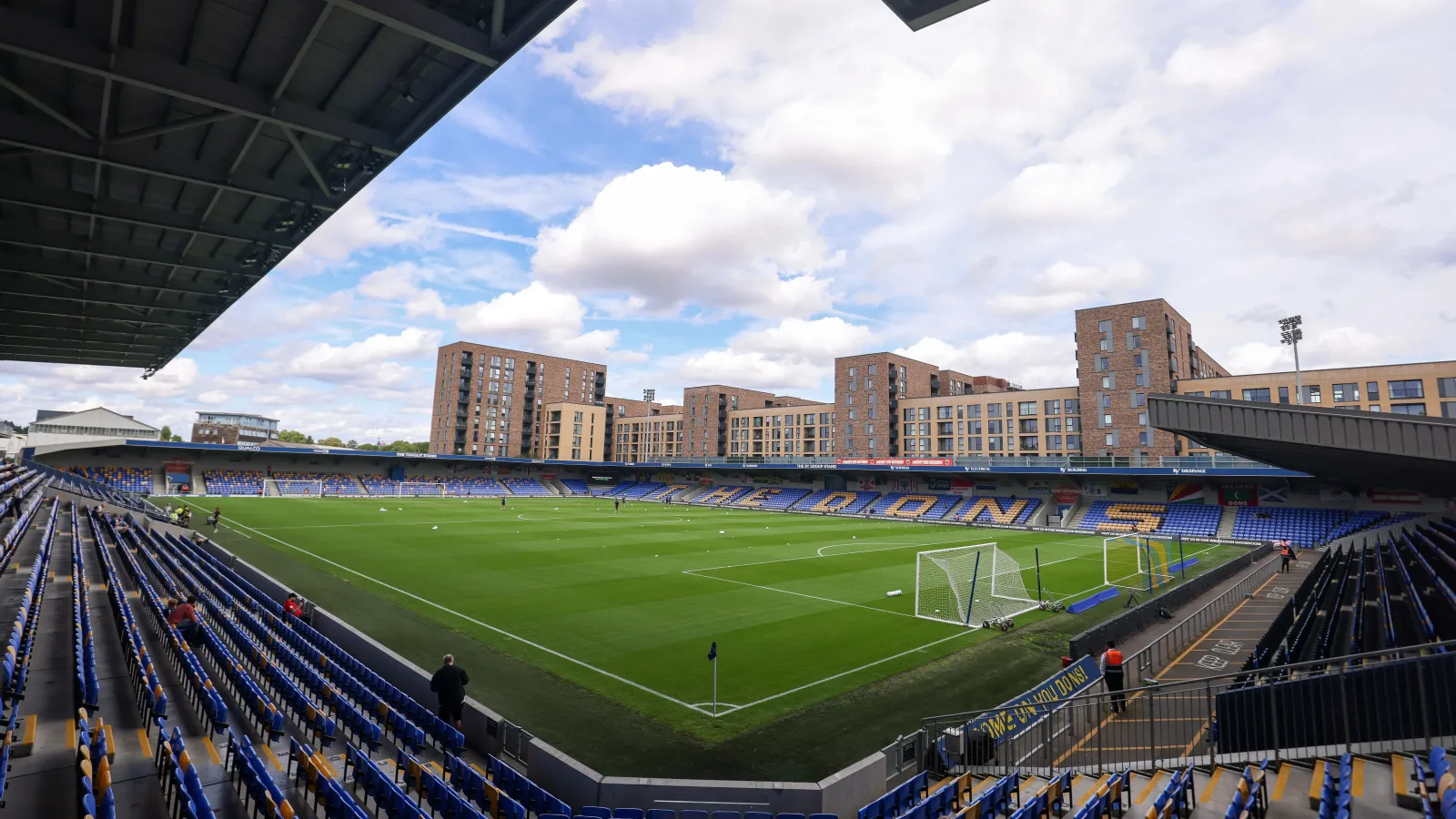
AFC Wimbledon experienced a dramatic upheaval when an £87million takeover bid collapsed at the eleventh hour, leaving the famous fan-owned club in absolute disarray. Britain's most celebrated supporter-owned institution remains in the hands of its loyal base, but the sudden termination of the deal has plunged the League One outfit into a deep leadership crisis. Sloane Street Capital abruptly pulled out of the agreement, stating that its investment priorities had changed, which instantly aborted an active fan vote just days before the deadline.
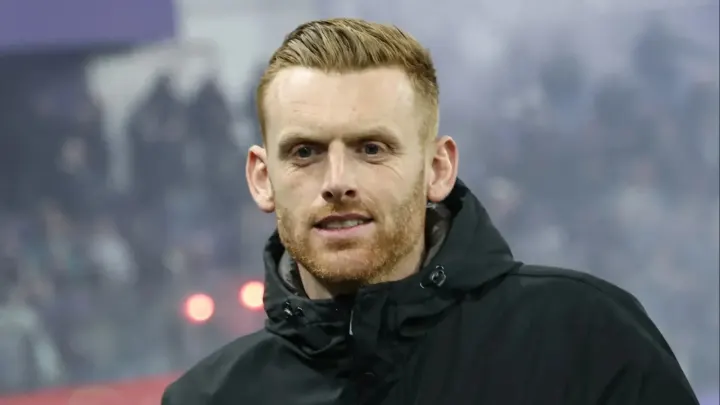
The collapse exposed a startling reality as the mystery backer behind the entire financial rescue package vanished from the scene. Omar Mir, the elusive tech boss who pledged the eye-watering cash injection over a five-year period, walked away amid mounting fears regarding his true identity and financial background. His sudden exit leaves his investor consortium, fronted by former Chelsea and England star Ryan Bertrand, holding an empty bag and scrambling to find fresh financial backing.
How the £87 Million AFC Wimbledon Takeover Unravelled
Supporters were actively voting on whether to hand Mir total control over all football matters and 90 per cent of the club's economic value when the plug was pulled. For 24 years, AFC Wimbledon has stood as a shining beacon of English football, serving as living proof that fans, not reckless owners, could run a club properly after rebuilding from scratch on common parkland following the Milton Keynes heartbreak. Now, fan ownership has survived, but only by a thread, and the club finds itself facing severe financial hurdles without a clear safety net.
On the pitch, the team is in free-fall, while off it, the plc board and Dons Trust leadership backed 7,500 supporter-owners into an agonising cul-de-sac. Faced with a £7.5M debt and annual losses of £2.4m, chiefs warned fans that if they did not vote the takeover through, the club would crumble. Seduced by talk of big-money glory and terrified of ruin, thousands of fans had already cast their ballots in favour of the buyout before the abrupt cancellation.
The Questions Surrounding Mystery Backer Omar Mir
Yet the fans who most valued the club history, those who endured the agony of 2002 and poured their lives into rebuilding as a supporters club, were among the ones bold enough to stand their ground. They were not willing to surrender their soul after so much pain and hard work getting the club back to Plough Lane. They started asking the uncomfortable questions the boardroom seemed desperate to dodge, chief among them being the identity of Omar Mir and the exact origin of his wealth.
Until recently, the tech figure had virtually no public digital footprint before 2023 and never once showed his face at presentation meetings to meet the fans whose club he wanted to buy. Supporters uncovered that he bought a Scottish feudal title, claimed an unfindable doctorate, and held UK company registrations tied to an empty Coulsdon shopfront where callers were told to leave post at the chemist next door. Critics also questioned his boardroom ties to Marty Edelman, a Manchester City director of nearly 20 years, alongside his senior role at an artificial intelligence giant chaired by Sheikh Tahnoon, the brother of Manchester City owner Sheikh Mansour.
The Limits of Due Diligence in Football Takeovers
Independent due diligence found no evidence of any crime or wrongdoing, but it hit a brick wall on the only detail that truly mattered to supporters: Where was the cash actually coming from? The moment the heat was turned up on these unanswered questions, the man with the chequebook pulled out of the negotiations entirely. Now fans are left asking the terrifying question of who rescues them now while still respecting what this club represents in the football pyramid.
Former Crazy Gang hero Robbie Earle could yet come back to the table after being sidelined during earlier discussions. Earle was fronting an American-backed consortium pursuing a minority stake earlier this year, but his bid was effectively shovelled aside when Mir flashed his £87m fortune. Serious questions now hang over the Wimbledon boardroom for pushing such a mystery bidder in the first place, whipping up panic over a £7.5m debt that is largely owed to the fans themselves via community stadium bonds.
The Broader Crisis in English Football Governance
The situation highlights wider systemic issues across the sport, proving that regulatory bodies still have immense ground to cover in protecting historic institutions. The English Football League and the new Independent Football Regulator were meant to learn lessons from the catastrophes that destroyed Bury and Macclesfield and pushed Reading and Sheffield Wednesday to the brink. It is precisely why thorough scrutiny and complete transparency must come before any takeover is signed off, or quite frankly contemplated in the first place.
Wimbledon still face a daunting fight to survive in a broken football economy where smaller clubs struggle against soaring operational costs and unsustainable business models. The journey ahead remains uncertain for everyone associated with the organisation as they evaluate their financial standing without outside investment. However, the soul of their club remains right where it belongs: safely in the hands of the fans who refused to yield.