Why Was Jhelum Deputy Commissioner Removed From Office?
Punjab Chief Minister Maryam Nawaz removed Jhelum Deputy Commissioner Mir Raza Ozgen from his post on Sunday after intermediate computer science exams in the district were postponed ahead of her scheduled visit. The administrative decision to delay the academic tests sparked widespread attention and immediate criticism across the region, prompting the provincial government to take swift disciplinary action against the senior bureaucrat.
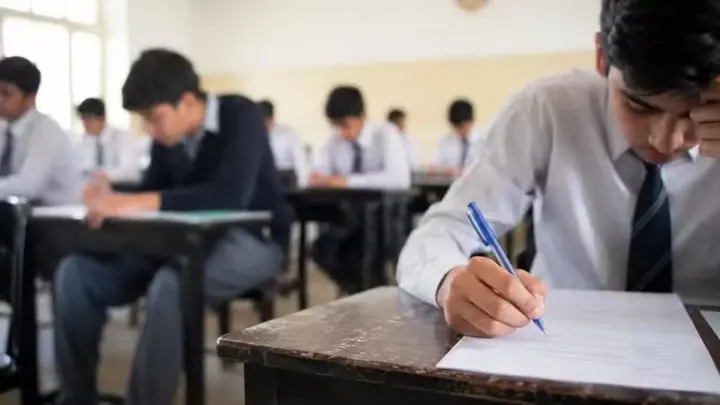
The controversy centered on the Computer Science papers for the Intermediate Second Annual Examinations 2026, which were originally scheduled for November 10. The Rawalpindi Board of Intermediate and Secondary Education later postponed the morning and evening papers in Jhelum district to November 30, citing the deputy commissioner's recommendation and administrative arrangements linked to the chief minister's visit. Official channels confirmed that the change applied strictly to Jhelum, while other districts under the same educational board proceeded with their testing schedules without any alterations.
Government accountability measures in Punjab often involve strict oversight of civil servants during high-profile political tours. District administrations carry the responsibility of managing local logistics, security details, and public receptions whenever provincial leaders travel outside the capital of Lahore. However, provincial authorities have increasingly emphasized that administrative protocols must not interfere with essential public services or the daily routines of citizens.
Details of the Postponed Intermediate Computer Science Exams
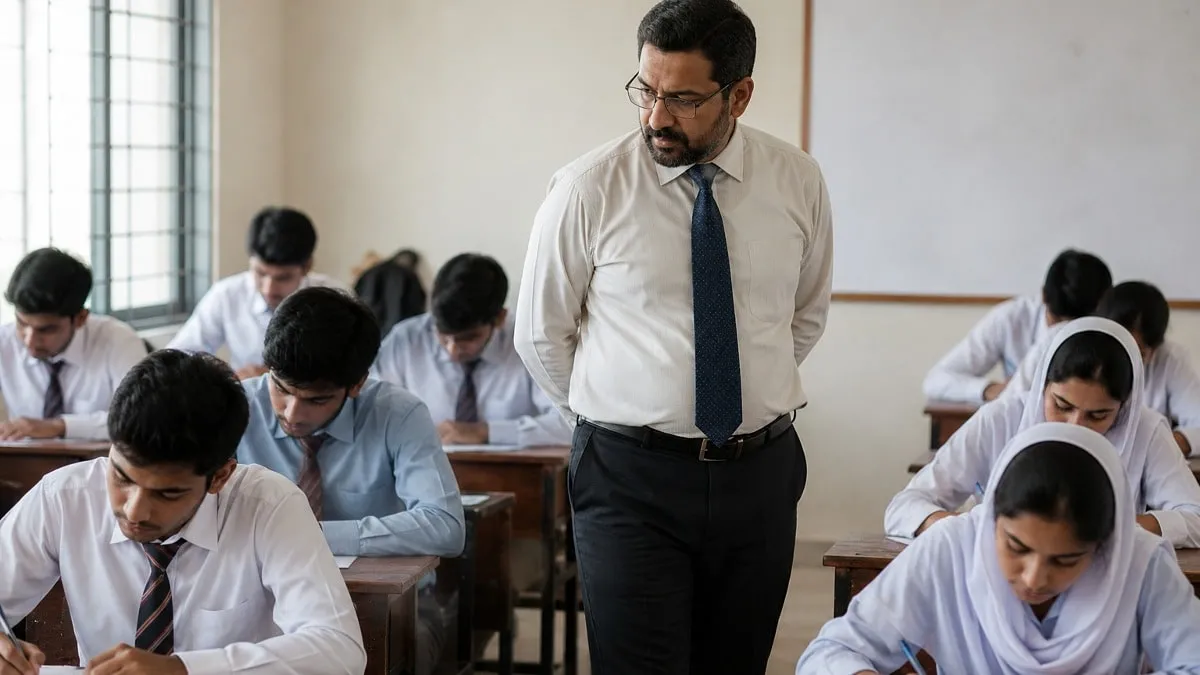
The decision to halt the intermediate computer science exams caused immediate confusion among students and educational institutions across Jhelum district. Educational boards coordinate academic calendars months in advance, ensuring that thousands of candidates can sit for their papers in a structured environment. Postponing exams on short notice disrupts study schedules, mental preparation, and subsequent academic milestones for young learners.
The Rawalpindi Board of Intermediate and Secondary Education operates as the primary examining body for public and private higher secondary schools in multiple regional districts, including Rawalpindi, Attock, Chakwal, and Jhelum. When the administration requested a delay citing the chief minister's itinerary, the board complied by issuing a revised date of November 30 for the affected cohorts. This sudden rescheduling stood apart from the standard procedures governing academic calendars, which rarely permit local interruptions for non-educational events.
Students who prepared for the morning and evening sessions faced sudden uncertainty regarding their academic timelines. Educational administrators noted that altering dates for a single district creates logistical complications for result tabulation, paper security, and evaluation schedules. The reversal ordered by the provincial leadership restored the original date, bringing immediate relief to candidates who feared prolonged delays.
Maryam Nawaz Reacts to Administrative Overreach
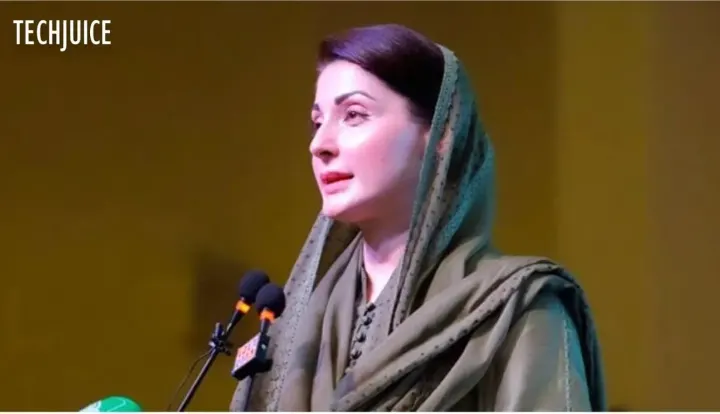
Maryam Nawaz reacted after the exam postponement drew criticism from the public and media observers. She said she had already instructed officials to ensure that her district visits did not inconvenience the public or disrupt normal activities. She called the development a violation of those directions and ordered the deputy commissioner's removal with immediate effect.
The Punjab government subsequently transferred Ozgen and directed him to report to the Services and General Administration Department for further orders. Meanwhile, Asma Ijaz, a BS-19 officer of the Pakistan Administrative Service, was posted as the new deputy commissioner of Jhelum to take charge of district operations. This rapid leadership transition highlights the zero-tolerance approach adopted by the provincial executive regarding administrative decisions that negatively impact citizens.
The chief minister criticised what she described as foolishness and misplaced over-smartness by the district administration and said students should not face disruption because of arrangements for her visit. Officials within the civil service often attempt to display excessive zeal during high-level visits, occasionally misinterpreting security and protocol requirements to the detriment of local populations.
Exams Restored to Original November 10 Schedule
The chief minister also ordered authorities to hold the affected examinations according to their original schedule on Tuesday, November 10. This direct intervention superseded the previous calendar adjustments made by the Rawalpindi educational board and ensured that examinees could proceed with their tests without losing weeks of waiting time.
Restoring the original date required immediate coordination between educational boards, school principals, and invigilation staff across Jhelum. Educational authorities worked swiftly to notify examination centers about the reinstatement of the November 10 timeline. Candidates were advised to report to their designated centers according to the initial roll number slips issued prior to the brief administrative confusion.
The reversal effectively neutralized the local district administration's memo that had pushed the tests to late November. Parents and student bodies welcomed the correction, noting that academic schedules must remain insulated from political tours and bureaucratic missteps.
New Instructions Issued for Official Visits Across Punjab
Following the controversy, Maryam Nawaz issued broader instructions to commissioners, deputy commissioners, regional police officers and district police officers across Punjab. She directed officials not to close markets, shops, businesses or other establishments because of her visits. She also told authorities not to seal residential streets or restrict residents' movement in the name of security arrangements.
The chief minister said security measures should remain discreet and should not create unnecessary inconvenience for the public. She also warned officials that failure to follow the instructions could lead to strict action. These directives aim to curb traditional protocol practices that frequently cause traffic gridlocks, commercial losses, and citizen frustration during VIP movements.
District administrations across the province now face clear boundaries regarding the extent of logistical mobilization permitted for official tours. The enforcement of these rules signals a shift toward minimizing public disruption during government oversight visits across major districts.