Saudi Aramco Building Damaged in Riyadh Attack
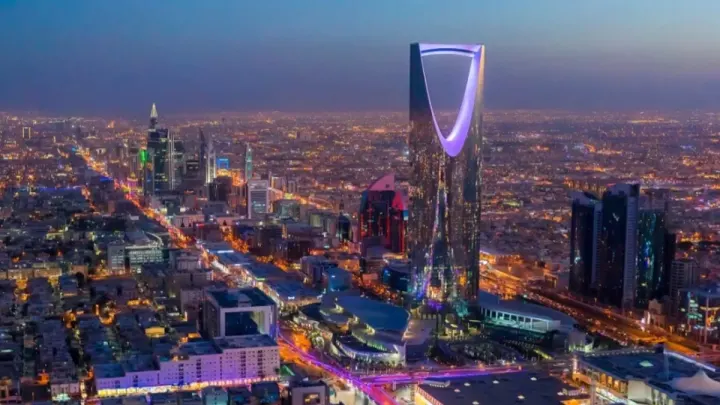
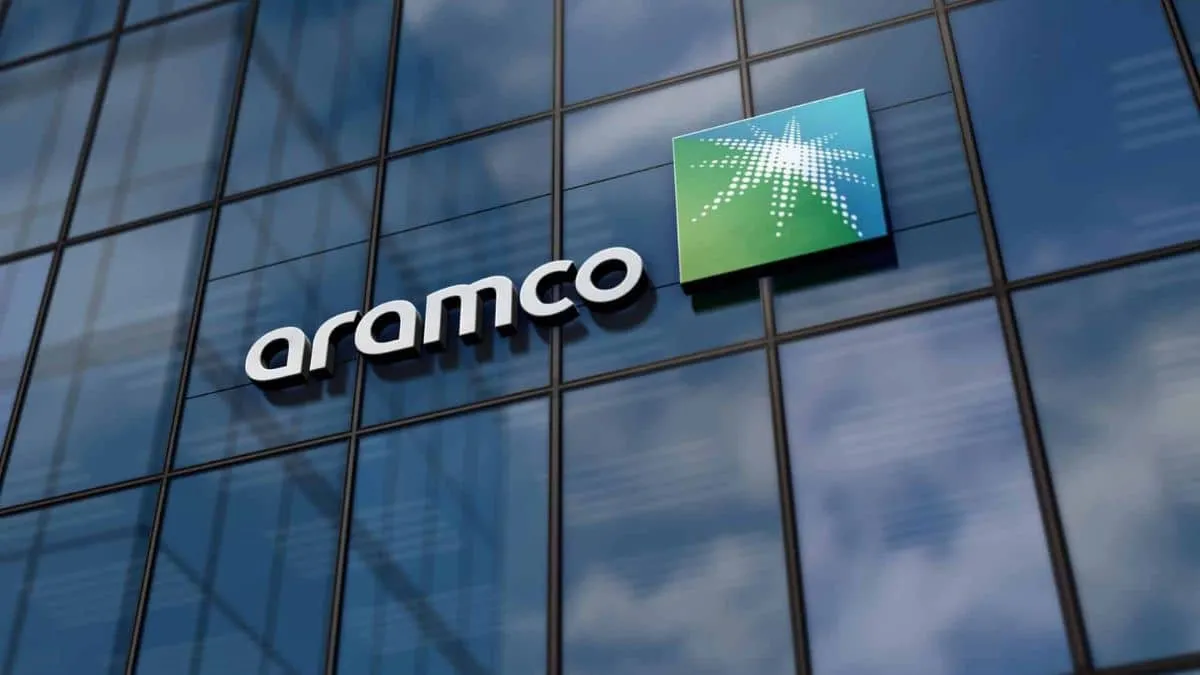
A Saudi Aramco building in Riyadh suffered damage on Sunday after an attempted attack targeted the Saudi capital, as fighting between Saudi Arabia and Yemen's Houthis continued to intensify. Saudi Arabia's Energy Ministry stated that falling debris caused limited damage to an administrative building belonging to the state oil giant. Authorities reported no deaths or injuries resulting from the incident. Witnesses observed shattered windows and visible structural damage across several floors of the Aramco Tower situated within Riyadh's King Abdullah Financial District.
Yemen's Houthis officially claimed responsibility for the operation. The group announced that it executed multiple military actions using ballistic missiles, cruise missiles, and drones directed against various targets across the kingdom. These designated targets encompassed Riyadh's financial hub, King Khalid International Airport, Aramco oil storage facilities, and the eastern Saudi city of Abqaiq. The strike highlights a sharp escalation in regional hostilities as cross-border aerial assaults persist.
Saudi Air Defences Intercept Missiles Over Riyadh
The Saudi-led coalition reported that its air defences successfully intercepted multiple projectiles launched toward the capital. Coalition spokesperson Turki al-Malki detailed that Saudi military forces intercepted and destroyed two ballistic missiles fired by the Houthis toward Riyadh. Furthermore, authorities reported intercepting two separate cruise missiles that were aimed at the capital and various southern regions of the kingdom.
Residents across Riyadh reported hearing loud explosions during the aerial interceptions. Saudi Civil Defence issued an initial public safety alert before later confirming that the immediate danger had passed. A Reuters witness verified that windows were blown out across multiple floors of the Aramco facility, while state authorities maintained that falling debris was responsible for the limited structural harm.
King Abdullah Financial District Becomes a Target
The King Abdullah Financial District serves as one of the most prominent business hubs in Riyadh and forms a core component of the national economic transformation programme. The district houses high-rise office towers, luxury retail outlets, residential properties, and expansive public spaces. It also accommodates major domestic and international corporations, including financial institutions like Goldman Sachs.
Additionally, the headquarters of the national sovereign wealth fund, known as the Public Investment Fund, operate from this district alongside the Saudi stock exchange. The financial hub also features a major metro station that handles heavy commuter traffic during peak morning hours. Consequently, an airborne strike hitting this area marks a notable tactical escalation compared with older attacks that focused primarily on isolated military or energy sites.
Houthis Step Up Military Operations Against Saudi Infrastructure
Aramco facilities have experienced frequent security incidents and targeted strikes in recent months. The Houthis have repeatedly attacked national oil refineries, storage terminals, maritime tankers, corporate offices, and other critical energy assets as armed conflict resumed between the two adversaries. This latest event occurred merely hours after the Saudi Education Ministry announced that schools in Riyadh would transition back to in-person classes following weeks of remote learning necessitated by previous security threats.
Beyond energy targets, Saudi Arabia has contended with recurring assaults directed at civilian airports and municipal infrastructure. A strike on the international airport in Riyadh back in October resulted in 13 fatalities, recording one of the highest death tolls inside the kingdom since military intervention began in Yemen in 2015. Concurrently, the Houthis have seized extensive territories along the Red Sea coastline from forces loyal to the internationally recognised Yemeni government.
Background on the Renewed Conflict in Yemen
The conflict escalated significantly when the Houthis captured the Yemeni capital of Sanaa in 2014. In response, Saudi Arabia assembled a military coalition in 2015 to support the internationally recognised government against the insurgent movement. A United Nations-brokered truce introduced in 2022 successfully suspended large-scale combat operations for several years.
However, that ceasefire collapsed in July 2026, prompting a renewed cycle of Saudi airstrikes alongside Houthi missile and drone campaigns. Public reports indicated that tensions mounted after authorities allowed an Iranian aircraft to land in Sanaa despite Saudi oversight of Yemeni airspace. Following this, the Houthis declared a maritime blockade against the kingdom and initiated strikes against Saudi shipping, territory, and energy installations, subsequently expanding their control along the Red Sea coast. United Nations monitors report that more than 1,600 people have been killed and over 300,000 displaced since this latest phase of fighting began.
International Reactions and Defence Partnerships
Pakistan has consistently condemned Houthi attacks against Saudi Arabia, characterising the assaults as direct violations of the kingdom's national sovereignty. Islamabad and Riyadh maintain active bilateral defence arrangements designed to bolster collective security and deterrence. These frameworks include the Strategic Mutual Defence Agreement between Pakistan and Saudi Arabia, alongside the Makkah Joint Defence Agreement, which also incorporates Türkiye.
Under the Makkah Defence Alliance guidelines, military and political leaders from Pakistan, Saudi Arabia, and Türkiye established operational procedures to permit the rapid deployment of military forces if necessary. Pakistan's military spokesperson, Lieutenant General Ahmed Sharif Chaudhry, stated in October that the nation was supplying Riyadh with necessary support amid the ongoing aerial campaign. He emphasised, however, that the pact serves a strictly defensive purpose and holds no offensive mandate. This security alignment remains vital as Saudi Arabia seeks broader international backing while facing sustained missile and drone campaigns originating from Yemen.