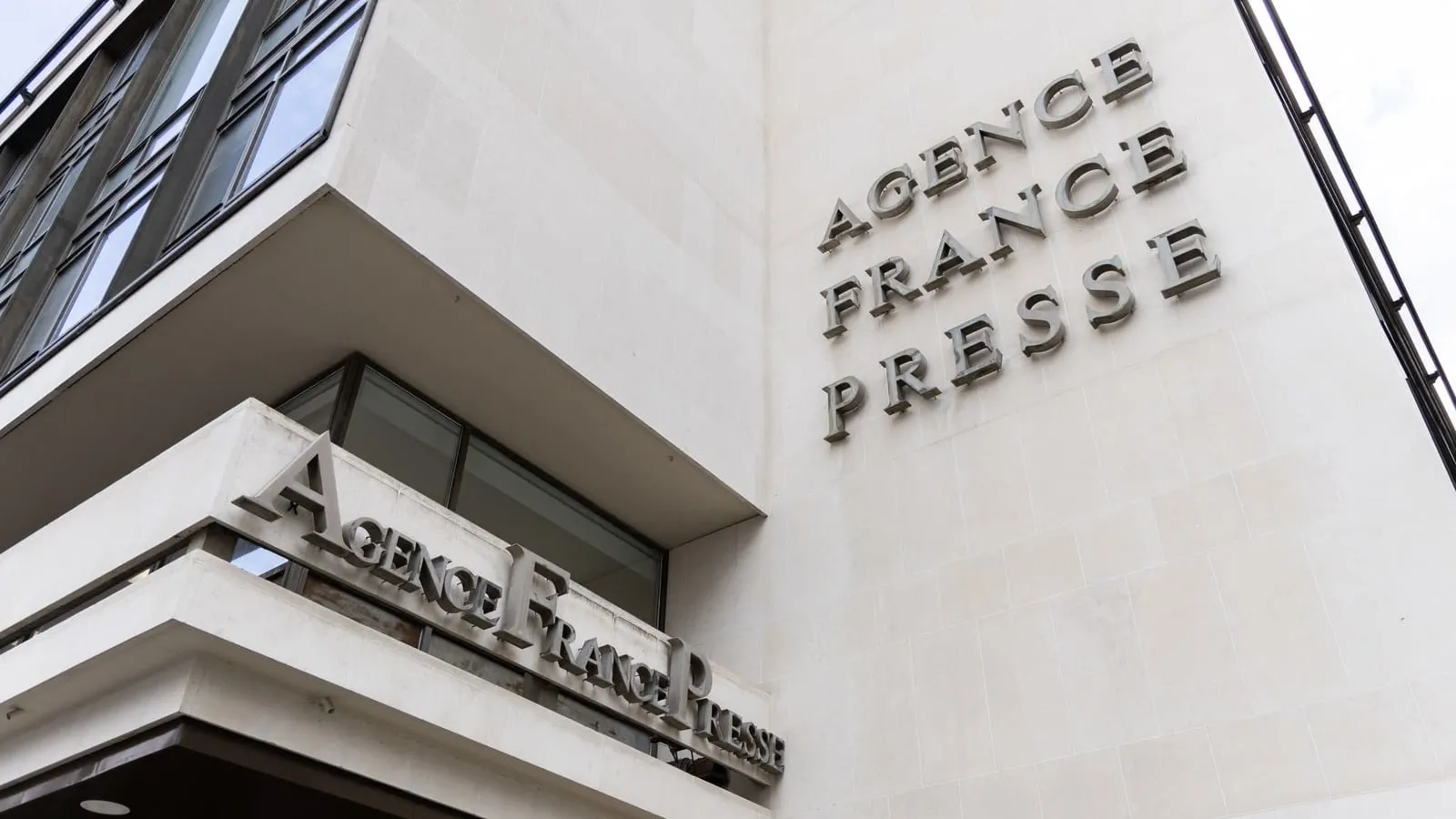
Agence France-Presse Hit by Major Cyberattack
Agence France-Presse, known globally as AFP and recognized as one of the world's three biggest news agencies, has been hit by a cyberattack that forced it to take its AFP Forum content platform offline. The incident disrupted normal operations for the major wire service, which supplies text, photos, and video to media organizations across the globe. Most French media outlets rely on AFP as a primary source for daily news content, making the disruption particularly acute for domestic publishers.
Management at the news agency acted swiftly upon discovering the breach during the early morning hours. An internal email sent by AFP management detailed the timeline and the immediate defensive steps taken by technical teams. The breach began in the middle of the night, prompting an emergency response to protect the broader network infrastructure and prevent unauthorized access to sensitive systems.
According to the agency's report, management stated in an internal email, "AFP was hit by a cyberattack overnight, starting at 1:30 am (Paris time). The target was AFP Forum, one of the platforms our clients use to browse and download our content." The targeted portal serves as the primary digital conduit through which subscribers access thousands of multimedia assets daily.
The swift action by technical staff involved severing connections to the compromised platform to isolate the threat. The internal communication added, "As soon as the intrusion was detected, our teams moved immediately to contain the intrusion and took AFP Forum offline as a precautionary measure. AFP Forum remains unavailable until further notice." This isolation strategy is a standard containment procedure in modern incident response.
Understanding AFP Forum and Global Media Operations
AFP Forum functions as a critical digital warehouse where international subscribers retrieve daily journalistic output. News organizations, broadcasters, and digital publishers log into the system continuously to acquire breaking news updates, photo galleries, and video packages. Without access to this centralized hub, newsrooms face immediate hurdles in sourcing timely multimedia material for their audiences.
The scale of daily production at the agency highlights the gravity of any interruption to its distribution channels. According to its 2025 annual report, the organization employs 1,840 journalists of 135 nationalities across 210 bureaus. These reporters and technicians produce an average of 2,300 text stories, 3,000 photos, and 300 videos per day, feeding a vast international media ecosystem.
A prolonged outage affects news production routines worldwide, forcing subscribers to seek alternative workflows. While technical teams work on restoration, the sheer volume of daily output creates logistical challenges for alternative delivery methods. Major breaking news events require immediate visual verification and distribution, underscoring the reliance of the global press on wire services.
Investigation Underway and Unknown Perpetrators
As the platform remains offline, cybersecurity specialists are working alongside internal staff to trace the origin and methodology of the breach. AFP said an investigation is underway with the help of outside experts, but at this stage it has no information on who is behind the attack. External forensics firms typically examine server logs, memory dumps, and network traffic to determine the entry point.
Uncertainty remains regarding the scope of the data compromised during the unauthorized access. The agency has not said whether any client or account data was accessed, and no group has claimed responsibility. The absence of a traditional ransom note or public declaration leaves investigators open to multiple hypotheses regarding the motive.
Organizations targeted by sophisticated intrusions often face weeks of forensic analysis before full clarity emerges. Digital forensics experts must verify the integrity of underlying databases and ensure that no persistent backdoors remain embedded within the server architecture. Only after comprehensive remediation can services safely resume for external users.
Alternative Solutions for Subscribers During the Outage
To mitigate the disruption caused by the sudden shutdown, agency administrators established alternative channels for clients. Backup solutions are being offered to subscribers in the meantime, ensuring that vital news flow continues despite the core portal remaining dark. These stopgap measures involve direct file transfers and secondary distribution points.
Subscribers must adapt to these temporary procedures while IT specialists prioritize security hardening. While less automated than the primary portal, these contingency plans prevent a total blackout of wire services to dependent newsrooms. Communication channels between account managers and clients remain active to coordinate alternative delivery schedules.
Broader Context of Cyberattacks on Media and Public Bodies
The incident at the French news agency occurs against a backdrop of escalating digital threats targeting institutions globally. The attack comes amid a wave of cyberattacks on companies and public bodies in France and other countries in recent months. Critical infrastructure, government bodies, and commercial enterprises face a persistent threat landscape involving ransomware, data exfiltration, and service disruptions.
Motivations behind these digital intrusions vary widely depending on the actors involved. Some have been carried out by criminal gangs seeking money, while others aimed to create instability. Financially motivated actors typically deploy encryption software to demand extortion payments, whereas politically motivated actors focus on disruption or espionage.
High-profile organizations outside the news industry have also experienced similar incidents recently. Football's governing body FIFA was also recently hit by a major cyberattack, demonstrating the reach of contemporary threat actors across diverse sectors. In parallel, hackers recently targeted top news websites as well, highlighting the vulnerability of media organizations holding high-value public trust and real-time communication channels.
Next Steps and What to Watch For in the Investigation
Recovery timelines depend entirely on the findings of the ongoing forensic audit. Observers and media clients will monitor official updates from management regarding when the main content portal can safely return to service. Ensuring long-term resilience requires comprehensive system overhauls and enhanced monitoring protocols.
Authorities and cybersecurity agencies often collaborate when major news infrastructure faces hostile actions. The outcome of the technical review will likely influence how major wire services fortify their digital assets against future incursions. Transparency regarding the breach mechanics helps the broader industry prepare against similar intrusion vectors.





