Pakistan Requests Zero-Tariff Market Access from China
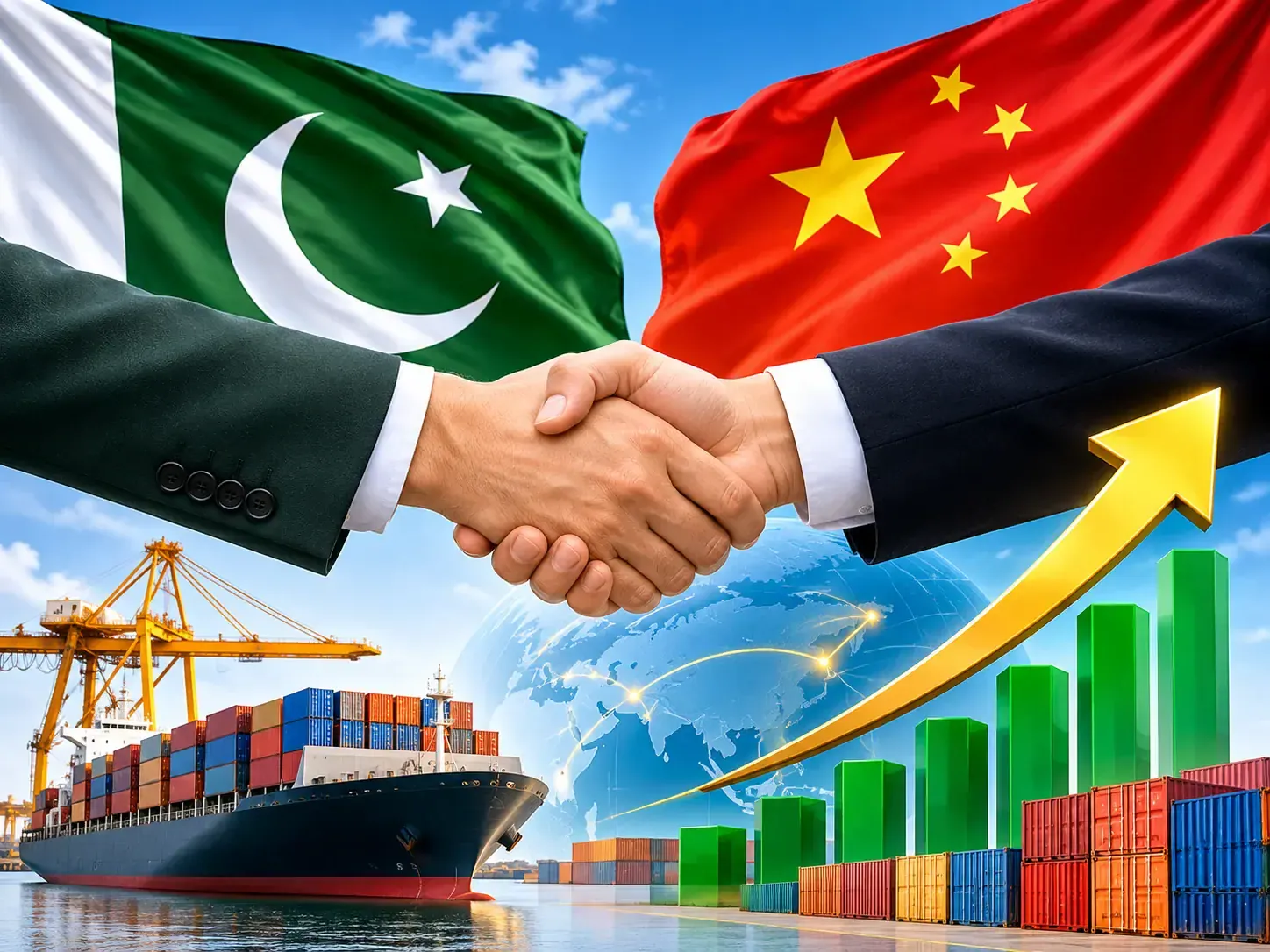
Pakistan has sought preferential, zero-tariff access to China's market to increase its annual exports from around $3 billion to between $20 billion and $25 billion, Planning Minister Ahsan Iqbal said on Thursday. The diplomatic push aims to tap into the massive Chinese import economy, which absorbs nearly $3 trillion worth of goods annually. By securing tariff concessions, Pakistani policymakers believe domestic producers can gain a stronger competitive edge against regional competitors trading within the same geographic sphere.
Iqbal raised the proposal during a meeting with Liu Haixing, Minister of the International Department of the Communist Party of China (CPC) Central Committee, on November 26. He requested China's support in granting Pakistani products preferential access, citing tariff concessions offered to African countries as a possible model. According to an official statement, Iqbal said improved market access could help Pakistani exporters compete in China, which imports nearly $3 trillion worth of goods annually. The proposal was previously discussed on November 3 and also raised by Prime Minister Shehbaz Sharif with Chinese President Xi Jinping.
Background on China-Pakistan Economic Corridor Phase Two
The latest trade push forms part of a broader bilateral strategy linking national development frameworks with major transnational infrastructure projects. Iqbal identified industrial and agricultural cooperation as key priorities for the second phase of the China-Pakistan Economic Corridor (CPEC), highlighting business partnerships, technology transfer, mineral development and green growth. This phase seeks to move beyond basic infrastructure construction into value-added economic sectors that can generate sustainable revenue and employment.
He said the first phase of CPEC had attracted approximately $25 billion in investment, added more than 8,000 megawatts of electricity generation capacity and delivered 888 kilometres of highways and motorways. The projects also created an estimated 236,000 direct and indirect jobs. These foundational investments transformed local energy grids and transport networks, setting the stage for industrial expansion and deeper integration between the two economies.
The minister linked the next phase of CPEC with Pakistan's URAAN development programme and China's 15th Five-Year Plan, stressing the importance of policy continuity for long-term cooperation. By aligning strategic economic blueprints, both nations hope to harmonize regulatory standards and streamline customs procedures to facilitate smoother cross-border commerce.
Proposed Pakistan-China Knowledge Corridor for Higher Education
Alongside commercial trade expansion, the discussions emphasized human resource development through higher education and specialized technical training. During the meeting, Iqbal also sought China's support for a proposed Pakistan-China Knowledge Corridor aimed at sending around 10,000 Pakistani scholars to China for doctoral studies and specialised research over the next decade. This educational exchange is designed to build domestic technical capacity within critical scientific and industrial disciplines.
The initiative would include scholarships, partnerships with leading Chinese universities and co-financing arrangements. Priority areas would include artificial intelligence, engineering, advanced manufacturing, modern agriculture, biotechnology and mineral sciences. University leaders and government officials expect these academic linkages to foster joint research ventures and technology transfer that directly benefit local industries.
Security Commitments and Diplomatic Follow-Up
Bilateral talks also addressed ongoing security arrangements for foreign nationals and infrastructure sites operating within national borders. He also reaffirmed Pakistan's commitment to protecting Chinese personnel and projects and requested updates on the proposed zero-tariff market access arrangement and Knowledge Corridor. Maintaining a secure operational environment remains a core condition for advancing joint economic initiatives and attracting further foreign direct investment.
As diplomatic channels review the concrete proposals tabled by Islamabad, government agencies will monitor upcoming bilateral sessions for official responses from Beijing. The success of these initiatives depends heavily on formal trade agreements and the successful execution of educational and industrial frameworks discussed during the November 26 meeting.