The rapid rise of artificial intelligence has triggered a massive increase in power consumption nationwide. Critics warn that the surge in connections is putting America's aging grid under a stress test, sparking fears of higher short-term electricity bills and possible long-term outages or technical failures.
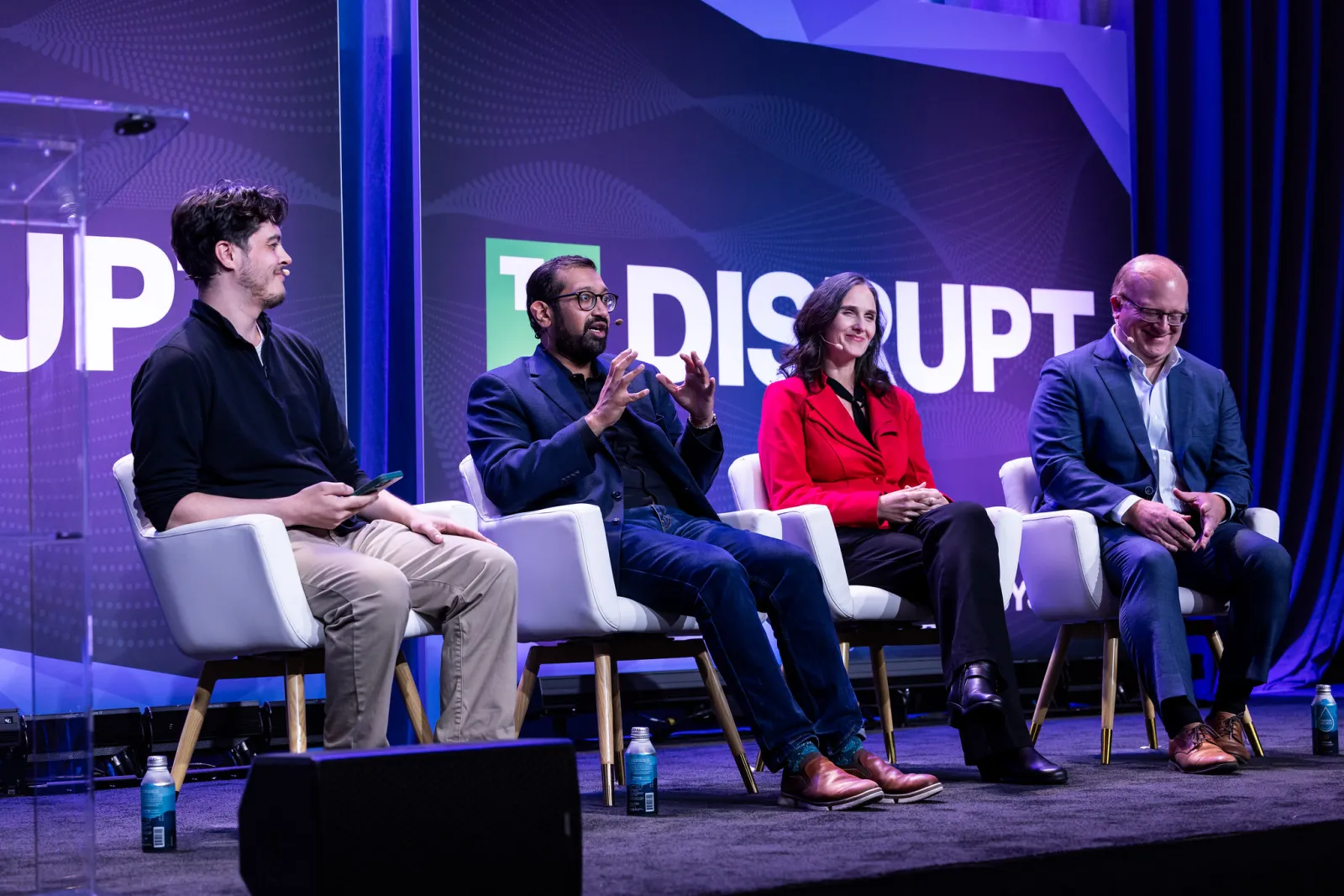
During TechCrunch Disrupt earlier this month, several insiders offered a more hopeful view, suggesting the influx of new energy loads could actually pave the way for grid modernization. Apoorv Bhargava, founder and CEO of Weavegrid, Tim Heidel, CEO of Veir, and Kristen Eberhard, vice-president of policy at Rewiring America, acknowledged the challenges but highlighted emerging opportunities.
"It's a very different electric grid, right?" Bhargava said. "We're dealing with a ton of new variables, including renewable energy. We're dealing with a ton of new load in the form of electric vehicles and data centers and heat pumps, and the ability to manage and orchestrate is fundamentally what utilities are now grappling with."
While those additional connections increase grid pressure, Bhargava's firm aims to deliver load orchestration tools that enable utilities to extract more value from existing infrastructure. He explained that Weavegrid's software can help firms deploy energy efficiently while optimizing connections to lower utility customers' bills.
Heidel, whose company focuses on expanding and improving the physical grid, described Veir's work on superconductive power lines that promise far greater efficiency than conventional cables. Veir claims its cables can transmit power five times farther than standard lines while occupying 20 times less space. The startup announced a $110 million series C round earlier this month.
"The scale of the investment in AI infrastructure is driving a tremendous amount of innovation," Heidel remarked. "There's a ton of new technologies that are coming off the shelves and starting to get to scale that, pulled together, can actually really make sure that data centers are the best community neighbors and citizens be right."
He added, "I think that we really need to look at ways that we can really adopt all of that as fast as possible to ease this next stage of growth."
Eberhard, who leads an organization promoting home electrification, noted that the surge in data-center power demand has added urgency to modernization efforts and created a climate where industries are willing to experiment.
"I feel like this era of AI and load growth is a very improv era," Eberhard said. "There's a lot of yes-and-ing going on. So yes, we need more transmission lines. Yes, we need more centralized power plants, and we also need to make sure that we're taking advantage of all this other stuff that we had previously been leaving on the table when we didn't have this urgency of the AI demand."