Anthropic, founded in 2021 to keep AI under human control, is nearing its initial public offering, but anyone buying its stock on the open market will have minimal influence over the company.
While Silicon Valley has long used complex arrangements that let founders such as Elon Musk or Mark Zuckerberg steer public firms without majority ownership, Anthropic's focus on AI safety has produced an especially intricate governance model that limits ordinary shareholders' say on major choices, including board appointments.
First, the firm operates as a public benefit corporation, a for-profit entity that can balance a public mission with profit. This status lets the board prioritize AI safety over pure shareholder returns without facing lawsuits from angry investors.
Currently, the board is led by president Daniela Amodei and includes CEO Dario Amodei (her brother), Netflix co-founder Reed Hastings, former Microsoft and GM CFO Christopher Liddell, Novartis CEO Vas Narasimhan, and Spark Capital partner Yasmin Razavi, with one seat still vacant.
Second, a Long Term Benefit Trust (LTBT) holds a class of stock that can elect and remove a majority of the board, known as Class T directors. The trust is chaired by Neil Shah, a global-health expert and former GiveWell managing director, and its members include ex-Fed chair Ben Bernanke, security specialist Richard Fontaine, and Harvard physicist Christopher Stubbs. The LTBT also has one vacancy, to be filled by its current members.
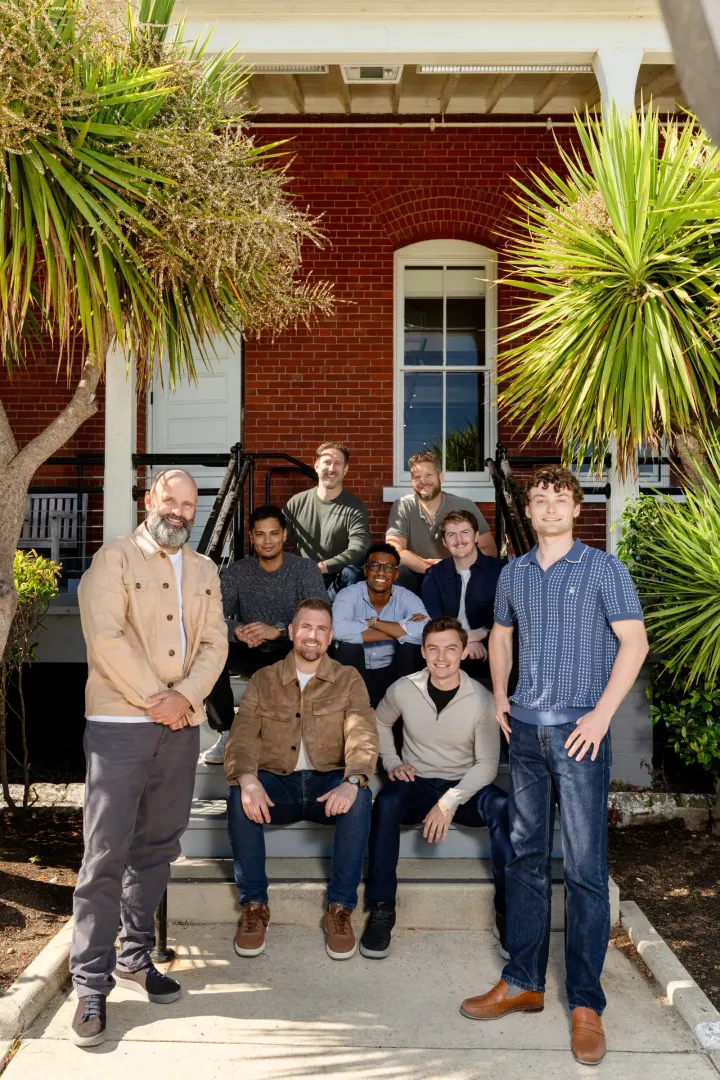
Third, the seven founders together own a special class of shares that grant them 50.1% of voting power, enabling them to appoint three board members. If the founders cannot reach a majority, their votes are counted proportionally with common shareholders.
Finally, the board can check the LTBT. When the trust nominates a "Specified" director among its four, or removes one without cause, the board's nominating committee may reject the move and send the decision to a company-wide employee vote.
These dynamics are difficult to forecast. A comparable situation occurred at OpenAI when its board briefly ousted CEO Sam Altman; employee loyalty forced the board to reverse the decision and adopt a new governance framework. Anthropic's design appears to formalize such employee influence.
If the founders' unity cracks, common shareholders might gain more influence than expected, and employees could overrule the LTBT on board seats by siding with the board against the trust's nominees.
The founders' control is set to end ten years after the IPO, either by choice or automatically when fewer than three founders remain. At that point, the LTBT would stay in place until 85% of common shareholders vote to dissolve it, or it could step down with board approval.
When neither the founders' special class nor the LTBT exists, hopefully not after an AI-related disaster, common shareholders would finally hold control.