Azad Kashmir Education Department Announces Uniform Relief
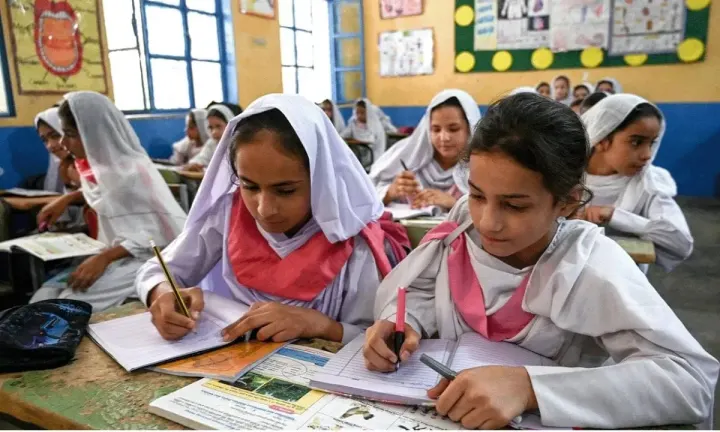
Azad Kashmir's Elementary and Secondary Education Department has taken a major step to protect students from the harsh winter in Muzaffarabad by relaxing school uniform rules across all government educational institutions. The decision allows both male and female students to wear warm clothing in place of their standard uniforms, with the relief set to remain in force through 28 February 2027. This administrative adjustment addresses long-standing concerns regarding student comfort and health during the coldest months of the academic calendar.
Government schools across the region typically enforce strict dress codes to maintain discipline and equality among pupils. However, the drop in temperatures creates significant hardship for children attending classes in unheated classrooms or traveling long distances in freezing weather. By modifying these requirements, educational authorities seek to balance institutional standards with the immediate physical welfare of children enrolled in state-run facilities.
Relief From the Cold in Government Schools
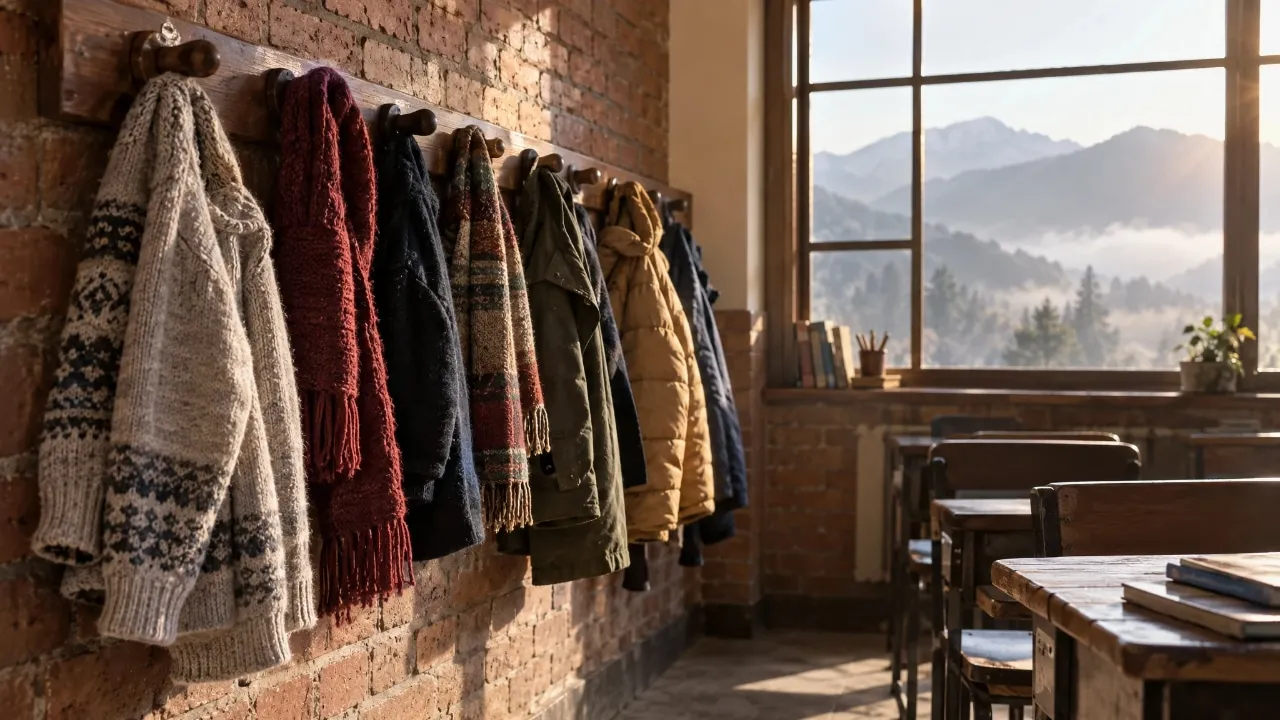
The department issued the notification for all government and educational institutions after announcing that students and pupils would be permitted to wear warm clothing to shield themselves from the winter cold. The relaxation applies to all government schools, where students previously faced the prospect of enduring the cold in regular uniform despite the region's harsh winter conditions. Teachers and administrators have been instructed to accommodate students wearing heavy sweaters, jackets, shawls, and other non-standard winter wear.
Winter weather in Azad Kashmir often brings freezing temperatures, frost, and occasional snowfall, particularly in elevated areas around Muzaffarabad. Standard school uniforms, typically consisting of lightweight shirts and trousers or tunics, provide little insulation against sub-zero conditions. Permitting heavy woolens and extra layers ensures that children can sit through morning assemblies and extended classroom hours without suffering from cold-related illnesses.
Extended Through February 2027
The uniform relaxation will remain effective until 28 February 2027, giving students ample cover through the peak winter season. The move reflects the department's effort to ensure student health and attendance are not compromised by the cold weather during the winter months. By setting a definitive end date stretching across multiple winter cycles, the administration provides predictable relief for families who budget for school clothing.
Extended enforcement helps parents avoid purchasing standard uniforms that must be worn under or over bulky winter gear, which often creates discomfort and restricted movement. Educational planners note that consistent policies during harsh weather seasons prevent confusion among school administrators and parents alike. The multi-year timeframe signals a practical approach to recurring seasonal challenges rather than relying on ad-hoc emergency announcements every winter.
Background on Educational Policies in Azad Kashmir
The Elementary and Secondary Education Department oversees hundreds of schools providing primary and secondary instruction to children throughout the region. Managing attendance during extreme weather events remains a perennial challenge for educational authorities in mountainous territories. Schools frequently adjust hours or declare temporary closures when heavy snow or severe frost blocks rural roads and endangers student commutes.
Uniform policies in the region trace their origins to administrative codes designed to promote neatness and social equality. While these rules serve important social functions, rigid enforcement during winter months has historically drawn criticism from parent associations and community leaders. The current policy shift represents a direct response to these concerns, aligning administrative rules with practical realities on the ground.
Impact on Students, Parents, and Attendance
For families across Muzaffarabad and surrounding districts, the updated policy eases financial and logistical pressures associated with winter schooling. Parents often struggle to keep children warm while adhering strictly to institutional dress codes that forbid non-uniform garments. Allowing any appropriate warm clothing reduces the need for costly specialized winter uniforms or layering garments underneath thin fabrics.
Student attendance figures often decline during peak winter months due to seasonal illnesses such as colds, flu, and respiratory infections exacerbated by the cold. By permitting proper insulation, the education department expects to see improved student retention and engagement throughout the third and fourth quarters of the school year. Healthy students who are physically comfortable in classrooms concentrate better on their studies and perform more consistently on academic assessments.
What Comes Next for Regional Schools
Headteachers and school councils across government institutions must communicate the updated guidelines to teachers, parents, and students immediately. Administrative monitoring teams will ensure that no student faces penalties or discrimination for wearing non-standard warm clothing during the authorized period. Compliance reports from various districts will help education officials evaluate the effectiveness of the multi-year relaxation.
Observers will monitor whether private educational institutions choose to adopt similar measures voluntarily, as private schools often set independent uniform policies. As the region approaches the 28 February 2027 expiration date, the department will review weather patterns and feedback from educational stakeholders to determine whether further extensions or permanent seasonal amendments are necessary.