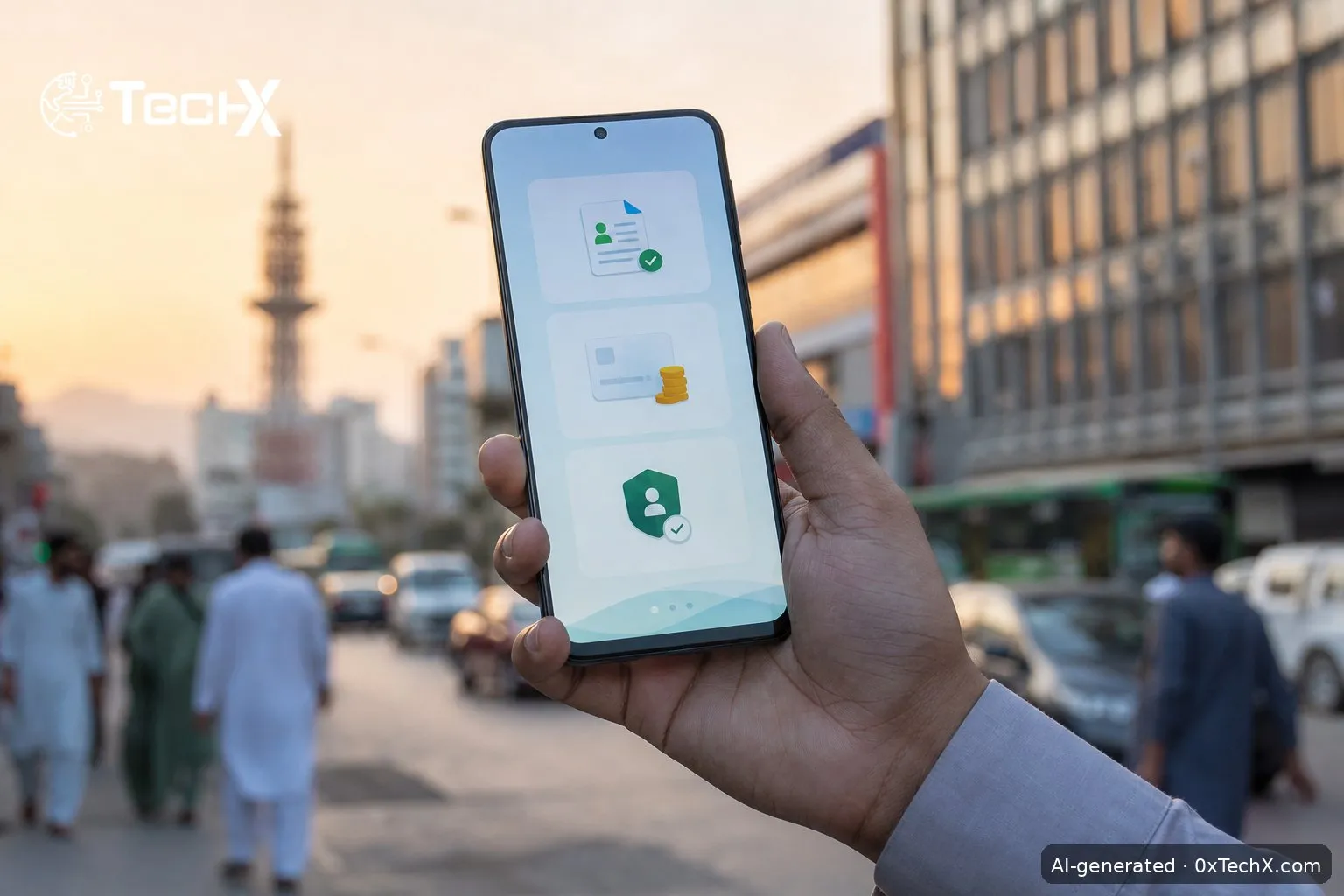
The Pakistan government super app is officially in development. Prime Minister Shehbaz Sharif's office confirmed on 25 November 2026 that Chinese technology giant Alibaba is building a single digital platform designed to house every public service in one place on mobile phones. During the same performance review meeting in Islamabad, officials reported that telecom operators have completed 5G network upgrades in 86 Pakistani cities, marking a major milestone in national telecommunications infrastructure even though full commercial 5G is not yet live everywhere.
This ambitious digital push forms part of a broader strategy to modernize public administration, boost the technology sector, and streamline how citizens interact with state bodies. For years, accessing government services has required navigating multiple disconnected portals, physical counters, and disparate websites. The upcoming platform aims to eliminate these administrative bottlenecks by consolidating essential state functions into a single user-friendly mobile application.
What Is the Pakistan Government Super App?
Currently, citizens must rely on entirely separate systems for different administrative tasks. Individuals use one portal for National Database and Registration Authority (NADRA) documents, another for Federal Board of Revenue (FBR) tax filings, and separate mechanisms for paying utility bills. The Pakistan government super app intends to resolve this fragmentation by gathering every public-facing service under one digital roof.
The official confirmation emerged during a performance review meeting of the Ministry of Information Technology and Telecommunication, chaired by Prime Minister Sharif. Government officials informed the gathering that Alibaba is actively developing the comprehensive platform under the Strategic Transformative Framework. While the announcement establishes that development is underway, no official release date or launch timeline has been shared with the public yet, meaning citizens must wait for subsequent updates regarding availability.
Why Alibaba and the Strategic Transformative Framework?
Pakistan and Alibaba have cultivated a collaborative relationship over several years under the umbrella of the Strategic Transformative Framework. This cooperation spans digital trade, cloud computing infrastructure, e-commerce training, and now the development of the Pakistan government super app. Alibaba brings extensive technical experience derived from building massive consumer applications in China, such as Alipay, which successfully integrated commercial and governmental interactions for hundreds of millions of users.
The envisioned model for Pakistan relies on a single application with one login credential to access dozens of distinct administrative services. Users might eventually pay electricity bills, check property tax records, book driving license test slots, or track passport renewals from the same mobile interface. In a country where citizens frequently face long physical queues and slow paperwork processing times, this consolidation holds the potential to save considerable time and resources.
5G Network Upgrades Reach 86 Cities Across Pakistan
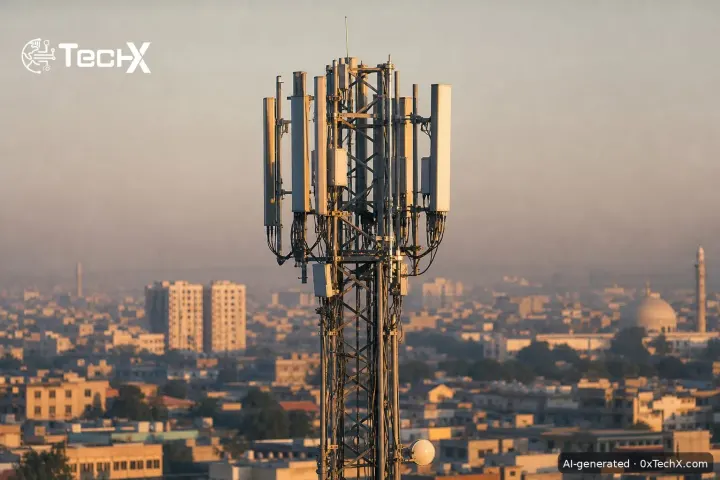
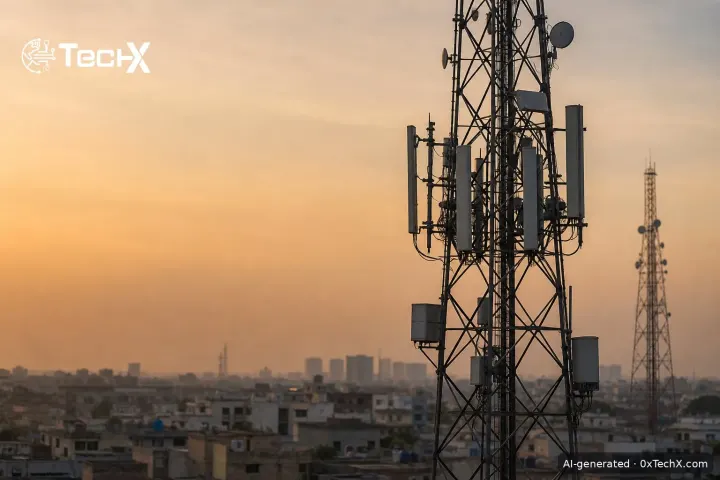
Alongside the software announcement, the 25 November meeting addressed substantial progress regarding 5G Pakistan preparations. Telecom operators have successfully completed network hardware upgrades in 86 cities, a development that government representatives evaluated as highly satisfactory. However, industry observers emphasize a clear distinction between completing infrastructure upgrades and activating commercial 5G services for everyday consumers.
An infrastructure upgrade signifies that telecommunication towers and core hardware within those specific cities are technically capable of handling next-generation mobile broadband. It does not automatically mean that a consumer can switch on a 5G smartphone and immediately access ultra-fast speeds across all 86 locations, as commercial rollouts follow a separate operational schedule. For perspective, data from late October 2026 indicated that roughly 1,782 active 5G sites operated across 24 cities with localized coverage rather than blanket urban deployment.
Major urban centres already featuring active 5G infrastructure include Islamabad, Karachi, Lahore, Rawalpindi, Faisalabad, Peshawar, Quetta, Multan, Gujranwala, Sialkot, and Hyderabad. The Pakistan Telecommunication Authority (PTA) has not yet published an exhaustive inventory of all 86 upgraded cities, leaving residents outside major metropolitan hubs awaiting official municipal announcements. Prime Minister Sharif also instructed authorities to actively improve general internet speeds nationwide while accelerating digital skills training programs for young workers.
Growth in Technology Zones and National IT Exports
The high-level government meeting also highlighted robust financial and infrastructural metrics within the national technology ecosystem. Pakistan's IT exports climbed to USD 4.6 billion by the end of June 2026, with an additional USD 1.24 billion generated during the single quarter spanning July to September 2026, pointing toward an accelerating annual revenue run-rate.
Furthermore, 32 technology zones are currently under development across seven regional clusters throughout the country. Out of these total sites, 21 are fully operational while 11 remain under active construction. Approximately 300 technology enterprises have established operations within these designated zones, generating Rs100 billion in realized investments alongside Rs105 billion in committed pipeline funds. Prime Minister Sharif mandated that these zones operate strictly as focused centers for innovation and export expansion, while also ordering an independent audit of the existing operational zones.
What This Means for Everyday Citizens
The recent policy announcements underscore three central developments for the country. First, the Pakistan government super app possesses significant corporate backing through its partnership with an established global technology leader. Second, the foundational groundwork for nationwide 5G infrastructure is advancing at scale, even if immediate consumer benefits remain unevenly distributed. Third, macroeconomic indicators for the national digital economy continue to demonstrate upward momentum.
The primary variable to monitor moving forward will be practical execution. Historically, ambitious technological initiatives in the public sector occasionally experience delays between initial announcements and final delivery. The current absence of a specific launch date for the super app, coupled with the technical gap between upgraded network hardware and live consumer access, represents key milestones for citizens and industry analysts to track over the coming months.