Understanding the Zuma Ofcom UK eSIM Approval
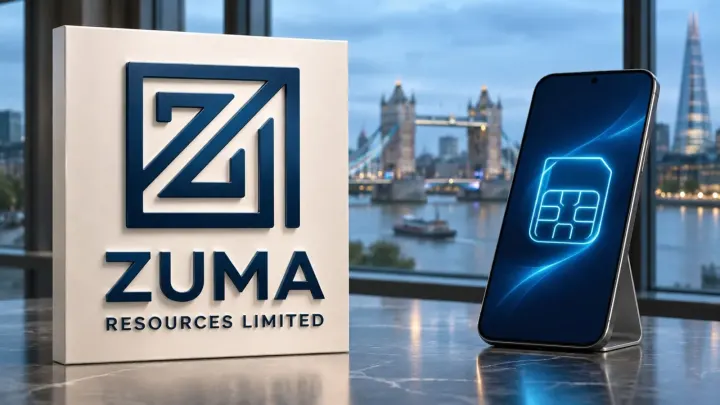
The Zuma Ofcom UK eSIM approval, confirmed on 26 November 2026, marks a rare milestone for Pakistani tech as a Pakistan Stock Exchange listed company clears the regulatory hurdle needed to sell telecom and eSIM services in Britain. Zuma Resources Limited, once a textile mill, is now one step away from launching its own telecom brand in one of the world's most regulated markets.
Zuma Resources Ltd confirmed that its wholly owned UK subsidiary, Zuma Global Ltd, received regulatory clarification from British telecoms regulator Ofcom on its proposed telecommunications and international eSIM operations. The company is now positioned to move ahead with the commercial launch of its UK-based telecom and international eSIM brands, subject to compliance with applicable regulatory, consumer protection, metering, billing, and other relevant requirements.
In plain terms, Ofcom has told Zuma what it needs to do, and Zuma can now go ahead and sell. This is not a minor procedural step, since getting clarity from Ofcom is the gate every new telecom operator in the UK must pass through before it can touch customers.
From Textile Mill to UK Telecom Player
Not many people know where Zuma Resources came from. Zuma Resources Limited was formerly known as Bilal Fibres Limited, a public listed company incorporated in Pakistan in 1987. The company pivoted hard into tech and digital connectivity, and 2026 has been its busiest year yet.
As part of its international expansion strategy, Zuma Resources incorporated a wholly owned subsidiary, Zuma Global Ltd, in the United Kingdom on September 18, 2026. That entity, set up to manage international telecom partnerships, operate global connectivity services, and execute agreements with international telecom operators, is now the vehicle for the UK launch.
The UK entity will serve as the company's international operational hub to support the expansion of its telecom and connectivity initiatives.
The Road to the Zuma Ofcom UK eSIM Clearance
The Ofcom nod did not come out of nowhere, and Zuma laid the groundwork step by step across 2026. First came the partner deal. Zuma Resources entered a global telecom partnership with Telna North America Inc., gaining access to multi-IMSI infrastructure for eSIM, mobile data, voice, and roaming services. Telna operates a telecom connectivity platform that provides eSIM, physical SIM, and mobile network services in more than 200 countries through partnerships with international mobile operators.
Then came the platform. Zuma Resources approved the acquisition of 100% ownership and associated rights of sim.market, an international eSIM and digital connectivity platform, as it accelerated its expansion into global telecommunications. sim.market provides travel and global connectivity services through eSIM technology across markets.
Then came the subsidiary in September, the Ofcom engagement, and now, the green light to launch. This is a well-sequenced push rather than a rushed announcement.
What Is an eSIM and Why Does This Matter for Travelers?
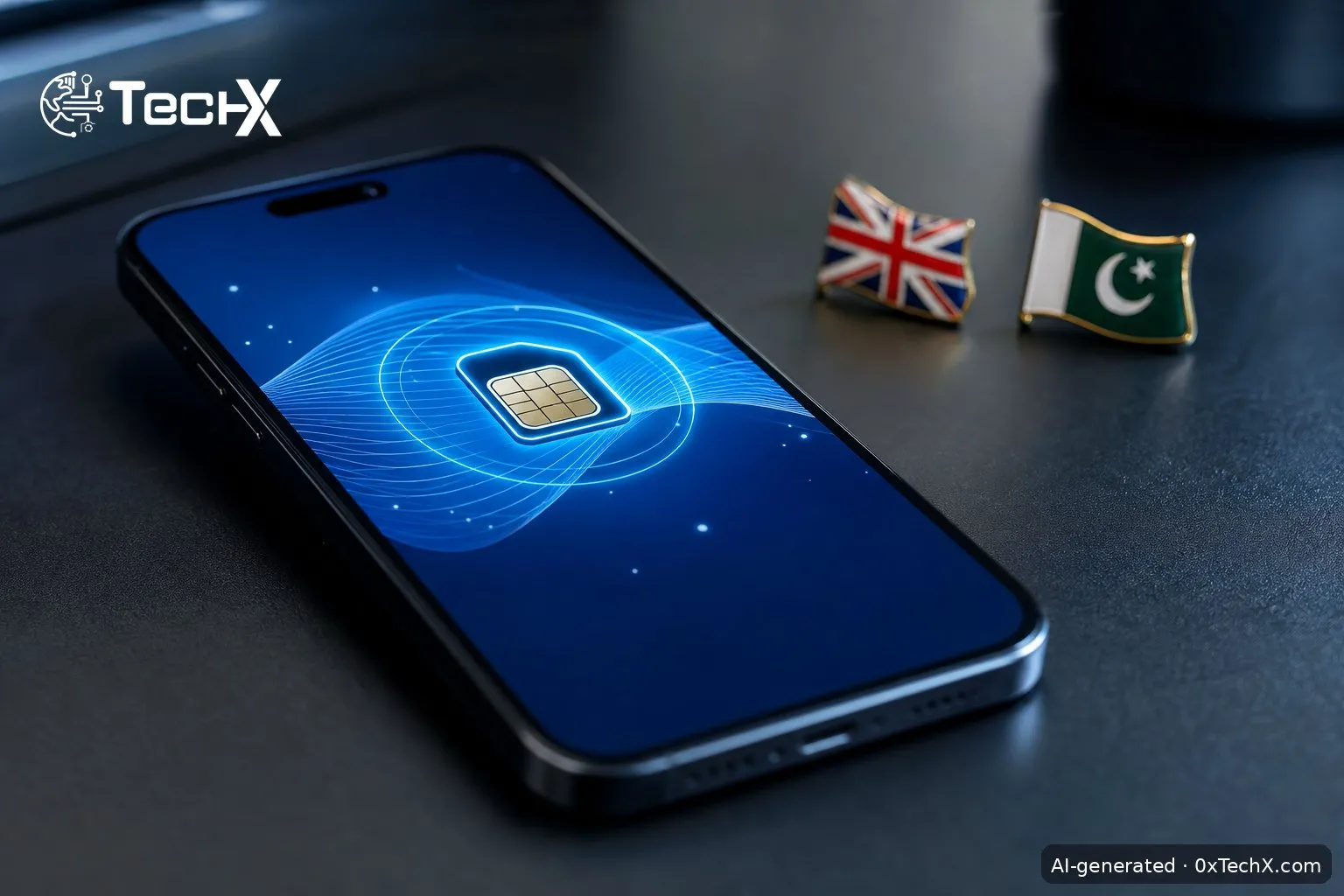
An eSIM, or embedded SIM, is a digital SIM built into your phone. Unlike traditional plastic SIM cards, an eSIM is built into your phone and can be activated digitally. You do not need to visit a shop or swap any card, as you simply scan a QR code and you are connected.
Zuma aims to target the European and UK markets first, offering travelers a way to stay connected without having to buy local SIM cards in every country they visit. For the hundreds of thousands of travelers who move between Pakistan, the UK, and Europe, this could mean cheaper and faster connectivity from a company that understands their regional needs.
The service will also run through the sim.market platform, which means global reach from day one. The UK operations will offer digital eSIM, physical SIMs, and connectivity solutions to customers through Zuma's technology platforms, including its global eSIM marketplace.
Revenue Targets and Domestic Market Ambitions
The collaboration with Telna is expected to generate projected annual revenues ranging between $3 million and $5 million during the initial phase of operations, subject to regulatory approvals and commercial rollout. The three-year renewable deal supports scalable operations and recurring revenue streams.
That is a modest but realistic number for a first-phase international launch. The bigger prize is market position, because if Zuma builds a credible UK telecom brand, it can expand across Europe using the same infrastructure.
One angle that most coverage has missed is that the company is also eyeing its home market. Zuma is evaluating a Mobile Virtual Network Operator license application to the Pakistan Telecommunication Authority. An MVNO license would let it offer mobile services in Pakistan without building its own network infrastructure, meaning Zuma's ambition runs in both directions toward the UK and inward to Pakistan's mobile market.
Zuma Resources Limited is a Pakistan-based company engaged in information technology investing, partnering, and collaborating with a diversified portfolio of companies in technology, artificial intelligence-enabled services, electric vehicle tech, healthcare tech, e-commerce, and other sectors. The UK telecom push is the most globally visible piece of that portfolio so far.
Why This Is a Significant Step for Pakistan Tech
Zuma's move positions it as one of the first Pakistan Stock Exchange listed companies to enter the international eSIM space. That matters not just for Zuma's shareholders but for Pakistan's broader tech story. Pakistan has been trying to shift its IT exports higher, and a Pakistani-origin telecom brand operating under a UK regulator sends a signal that local companies can play in serious global markets.
Getting Zuma Ofcom UK eSIM approval is the kind of milestone that opens doors for other Pakistani startups watching from the sidelines. If Zuma can do it, the template exists for others to follow.
Ofcom, the UK's independent communications regulator, is one of the strictest in the world. Winning its regulatory clarity is not a rubber stamp, as it requires proper compliance frameworks, billing standards, and consumer protection plans. The fact that a company originally from Pakistan's stock exchange has cleared that bar deserves attention.
Zuma Resources trades on the Pakistan Stock Exchange, meaning local investors can track and participate in this international expansion directly.