Global Smartphone Market Trends In Q3 2026
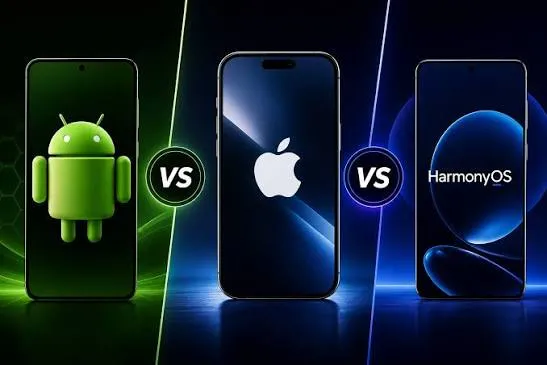
Android recorded its lowest-ever third-quarter market share in Q3 2026, falling to 74 percent globally, down from 79 percent in Q3 2025. According to Counterpoint Research, total global smartphone sales dropped by 16 percent year-over-year during the quarter. An ongoing memory supply crisis placed severe pressure on the mobile industry, hitting budget smartphones particularly hard and forcing price increases across premium devices.
The stark divergence between the mobile operating systems highlights shifting consumer priorities during economic contractions. While budget-conscious buyers delayed purchases due to rising costs, premium device manufacturers demonstrated greater resilience. Market researchers attribute the overall volume reduction to prolonged replacement cycles and component shortages that disrupted supply chains worldwide.
How The Memory Supply Crisis Affected Budget And Premium Phones
Modern smartphones rely heavily on specialized memory components, including dynamic random-access memory and flash storage chips. When supply constraints hit the manufacturing sector, component costs rise sharply for device assemblers. Brands producing low-cost Android handsets found it difficult to absorb these expenses without raising retail prices or cutting hardware specifications. Because budget buyers are highly sensitive to price changes, sales volumes in this segment dropped rapidly.
Conversely, makers of high-end devices possessed larger profit margins to absorb certain cost increases while passing others directly to consumers. Premium buyers typically demonstrate stronger brand loyalty and greater financial flexibility. This dynamic shielded high-end hardware manufacturers from the steepest declines experienced by entry-level brands.
Android Performance And Manufacturer Strategy
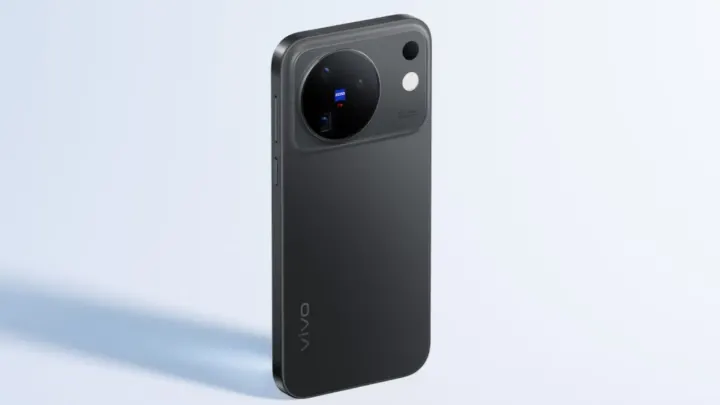
Despite the broader downturn, new flagship launches helped limit the decline for the Android ecosystem. Devices from Oppo, vivo, and Xiaomi attracted buyers looking for alternative hardware options. Samsung also supported Android sales during the quarter through the release of its latest foldable phones, which appeal to early adopters and technology enthusiasts.
Android maintains a massive footprint across a wide variety of price segments, ranging from ultra-affordable units to luxury flagships. However, this expansive presence across different price tiers made the ecosystem more vulnerable to the market slowdown. As budget consumers retreated, the overall market share for the operating system contracted significantly.
Apple iOS Reaches Record Q3 Share
Apple moved in the opposite direction of the broader market, pushing its iOS global share to a record 21 percent during the third quarter. That figure represents an increase from 17 percent in the same quarter last year. Counterpoint estimates that total iPhone sales increased by 2 percent year-over-year despite a shrinking overall market.
The iPhone 18 Pro series reportedly performed better than the previous iPhone 17 Pro lineup. Strong demand persisted despite price increases across Apple's smartphone range. Regional figures showed mixed results for the company. In the United States, iOS held a 54 percent market share, compared to 55 percent a year earlier. Meanwhile, India recorded an 8 percent share, remaining unchanged from Q3 2025.
Huawei HarmonyOS Growth In China
Huawei maintained its 5 percent share of the global smartphone market through its proprietary HarmonyOS software. However, the operating system performed exceptionally well in China during the quarter. HarmonyOS increased its share in the country to 22 percent, up from 17 percent last year.
Huawei also recorded 12 percent year-over-year sales growth in Mainland China. This performance occurred while the overall Chinese smartphone market declined by 10 percent. The figures highlight Huawei's continued recovery and expansion within its home market despite international trade restrictions and hardware supply challenges.
What To Expect Next In The Mobile Industry
Counterpoint expects recent price increases to create new challenges for manufacturers heading into the final months of the year. Huawei raised prices across several products in September, and these adjustments could slow its sales momentum in the coming quarter. The next reporting period will show whether Huawei can maintain its growth trajectory in China.
Market observers will also monitor whether Apple can sustain its premium momentum as component costs remain elevated. Meanwhile, the contrasting fortunes of Apple and Android reflect changing conditions across the global smartphone market as consumers adapt to higher prices and technological shifts.