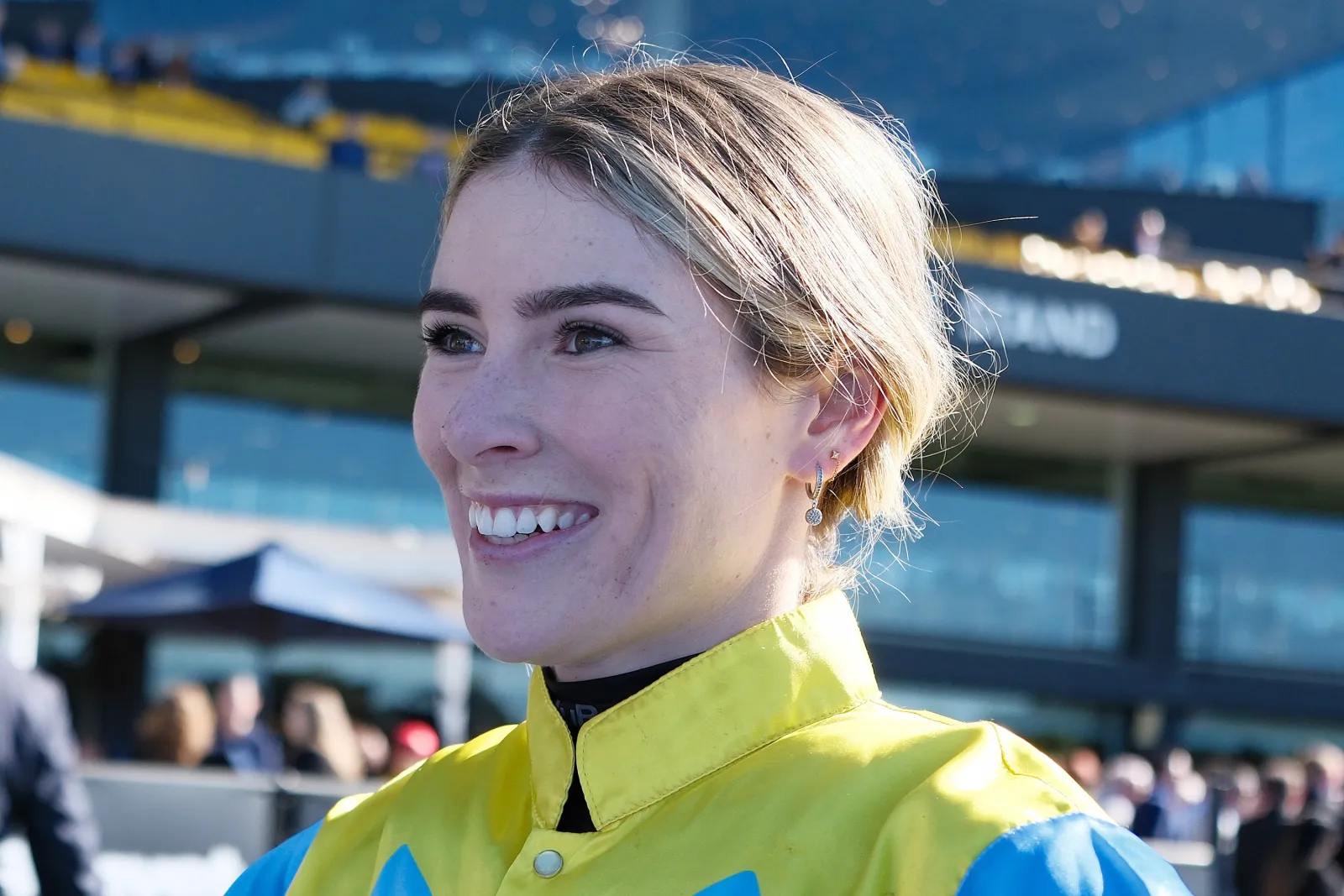
Australian Jockey Izzy Neale Fights for Life After Warren Racecourse Incident
Australian jockey Izzy Neale is fighting for her life in hospital following a nasty fall at Warren racecourse. Last night it was revealed by Racing New South Wales that the 22-year-old was in a critical condition with her family by her side. Neale was airlifted to hospital yesterday after losing consciousness following a bad fall.
Racing NSW, who have been providing updates on the grim situation throughout, were the ones to announce the concerning news about Neale. A meeting at Scone has been postponed as a result of her accident. The NSW stewards said she is still in hospital in critical condition with her family alongside.
Understanding Racing Safety and Stewards in New South Wales
Horse racing in New South Wales operates under strict regulatory oversight managed by Racing New South Wales. Stewards oversee race meetings to enforce rules, monitor equine and rider welfare, and handle emergency protocols when accidents happen on the track. When a severe incident occurs, race meetings can be abruptly postponed or cancelled, as seen with the Scone meeting following this accident.
Emergency medical response teams are stationed at every official racecourse across the region to handle sudden injuries. Air ambulance services are frequently used in rural or regional areas like Warren to transport critically injured athletes to major medical centers as fast as possible. Regional hospitals, such as the facility in Dubbo where Neale is currently being treated, work in tandem with specialized trauma teams to manage life-threatening situations.
The Impact on Fellow Jockeys and the Racing Community
Neale's colleague Diego Montes de Oca was also hospitalised as he unseated at the same time. However, he was discharged from Dubbo hospital, where Neale currently is, last night with just a minor foot injury. The simultaneous unseating highlights the unpredictable nature of horse racing accidents, where multiple riders can be caught up in a single tracking incident.
Fans have continued to show unwavering support to Neale on social media. One fan wrote: \'Can't stop thinking about Izzy Neale, her family and friends. Coming off the back of such an incredible week of Australian racing, where we've seen the glamour and highs of the sport, it's a heartbreaking reminder of the risks these incredible jockeys take every day for their love and passion for racing.\' Another said: \'My thoughts and prayers are with everybody connected to Izzy Neale, and hope she makes a full recovery. Jockeys give their all every time they race a horse for our enjoyment. Please give a thought to Izzie's family, trainer, Scott Singleton, and owners of Marnoo.\' These sentiments reflect the tight-knit nature of the Australian racing community, where participants and supporters rally around athletes during medical emergencies.
The Inherent Physical Risks Faced by Professional Jockeys
Professional race riding is widely recognized as one of the most dangerous sports in the world. Jockeys routinely control powerful animals weighing over 500 kilograms at speeds exceeding 60 kilometres per hour. Falls, often referred to in the industry as spills, can happen without warning due to crowding, stumbling, or sudden veterinary issues with a horse.
Protective equipment, including reinforced safety vests and helmets, has evolved significantly over recent decades to mitigate blunt force trauma. Despite these technological improvements, head injuries and spinal trauma remain persistent hazards in the profession. Regulatory bodies continually review track conditions, rail placements, and riding practices to reduce the frequency of race day accidents.
Medical Response and Hospital Procedures for Track Injuries
When a rider loses consciousness during a fall, track paramedics initiate immediate life support protocols on site. Spinal precautions are standard procedure to prevent further damage if a neck or back fracture is suspected. Once stabilized, patients are transferred via road ambulance or helicopter to the nearest appropriate medical facility equipped for intensive care.
In regional New South Wales, Dubbo hospital serves as a critical medical hub for patients requiring advanced trauma care. Families are routinely notified and supported by racing welfare officers who assist them during long vigils at the hospital. Medical updates are typically coordinated through official governing bodies like Racing NSW to ensure accurate information reaches the public while respecting family privacy.
What Lies Ahead for Racing Operations in the Region
The postponement of the Scone race meeting demonstrates the immediate operational impact that severe rider injuries have on the racing calendar. Racing authorities must balance the emotional impact on competing jockeys with the logistical demands of rescheduling fixtures. Stewards and safety committees often use the pause in racing to review footage and investigate the exact mechanical causes of track incidents.
Industry stakeholders, trainers such as Scott Singleton, and horse owners face an anxious waiting period as medical teams monitor Neale's condition. Public attention remains focused on the Dubbo hospital updates, where supporters await news of a positive turn in her recovery. The racing industry continues to offer its collective thoughts to Neale, her relatives, and all those affected by the tragedy at Warren racecourse.