Understanding the Habit of Doomscrolling
Modern smartphones and digital platforms are engineered to capture attention, often leading users into a relentless habit known as doomscrolling. This behaviour involves continuously consuming negative news or social media updates for extended periods. Breaking this cycle proves difficult because interfaces use intermittent reinforcement schedules similar to slot machines. Users constantly scroll in anticipation of finding something positive or engaging, only to encounter more distressing material.
The constant exposure to alarming news impacts mental health, increasing stress levels and feelings of helplessness. People often lose track of time while absorbed in their feeds, sacrificing sleep, work productivity, and real-world interactions. Recognising this challenge has prompted software developers to create specialised tools aimed at digital wellbeing. These applications help users regain control over their attention and establish healthier boundaries with technology.
How Digital Wellbeing Applications Work
Digital wellbeing tools approach screen time reduction through various mechanisms, ranging from gentle reminders to strict access blocks. Some utilities monitor daily usage across different platforms, providing detailed analytics on where time goes. Others implement friction into the user experience, making it harder to open addictive apps by requiring intentional pauses or deep breaths before access is granted.
Many operating systems now include native features like screen time limits and focus modes, but third-party applications often offer more granular control. These external programmes can lock specific social media feeds or entire apps during designated working hours or bedtime routines. By automating these restrictions, users do not have to rely solely on willpower to resist the urge to scroll.
Redirecting Attention Toward Productive Content
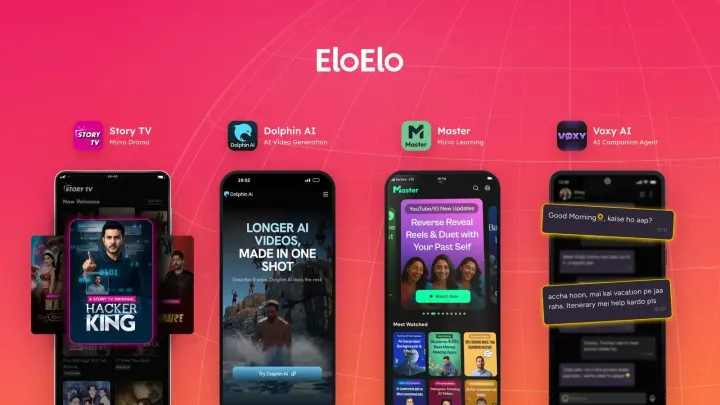
Simply blocking addictive platforms often leaves a void, which can lead to boredom and a quick return to old habits. Effective digital detox strategies emphasise replacing mindless scrolling with more engaging and productive activities. Several applications focus on redirecting user attention toward skill-building, reading, or learning new languages whenever the urge to open a social media app arises.
These alternatives offer micro-learning sessions or bite-sized educational content that fit into short breaks throughout the day. Instead of absorbing sensationalised headlines, users might read a summary of a classic book, solve a logic puzzle, or practice a musical note. This approach satisfies the desire for quick digital engagement while contributing positively to personal growth and cognitive stimulation.
Implementing Practical Strategies for Screen Time Reduction
Successfully reducing doomscrolling requires a combination of software tools and intentional daily habits. Setting up scheduled downtimes on devices prevents late-night browsing that interferes with circadian rhythms. Users often benefit from removing social media shortcuts from home screens, thereby increasing the effort required to launch them.
Another effective method involves grayscale settings, which strip colourful interfaces of their visual appeal. Bright notifications and vibrant icons trigger dopamine releases that encourage continued engagement. Turning the display monochrome makes browsing significantly less stimulating, helping users exit apps much faster than they otherwise would.
Choosing the Right Tools for Your Digital Detox
Selecting appropriate applications depends entirely on individual usage patterns and psychological triggers. Some individuals need rigid blocks to prevent access during work hours, while others require subtle awareness prompts to stay mindful of their habits. Assessing personal screen time reports helps identify which platforms consume the most hours and demand the strictest controls.
Experimenting with different utility programmes allows users to find a balanced routine that discourages excessive scrolling without causing frustration. Combining these digital aids with offline hobbies creates a sustainable environment for long-term technological wellbeing and mental clarity.