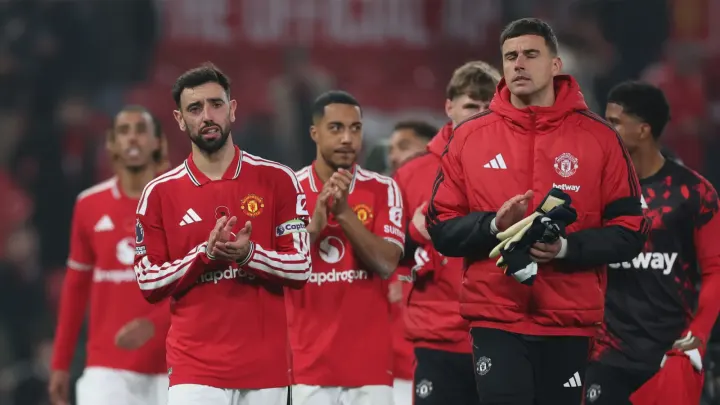
Manchester United drew 4-4 with Aston Villa on Sunday 8 November, a match that featured early goals, a late equaliser and a wave of fan protest at Old Trafford.
Katherine Walsh of SunSport identified three key take-aways: growing supporter unrest, a defence that has conceded more goals than any other top-five-league side this season, and a clear shortage of leadership on the pitch.
What sparked the fan protests at Old Trafford?
Supporters have been vocal about the club's ownership and strategic direction for months. During the Villa match, banners reading "We don't want a new stadium, we want new owners" were unfurled in the Stretford End, while fans sang a chant aimed at former midfielder Michael Carrick. Balloons printed with the phrase "F*** the Glazers" in the original Newton Heath colours floated over the Sir Bobby Charlton Stand, reaching the directors' box where director of football Jason Wilcox and chief executive Omar Berrada were seated.
These displays reflect frustration with the Glazer family, who also own an NFL franchise in Tampa Bay, and with minority co-owner Sir Jim Ratcliffe, whose proposed "Wembley of the North" stadium plan for a 2035 replacement of Old Trafford has drawn criticism. Fans argue that on-field performance, not new infrastructure, should be the priority as the club hovers near the relegation zone.
How severe is United's defensive crisis?
United have allowed 30 goals in all competitions this season, the highest tally among clubs in England, Spain, Italy, Germany and France. In the last five league games they have given up 15 goals, including a 4-1 loss at Como. The Villa game added four more against them, bringing the total to 19 conceded in the final ten fixtures.
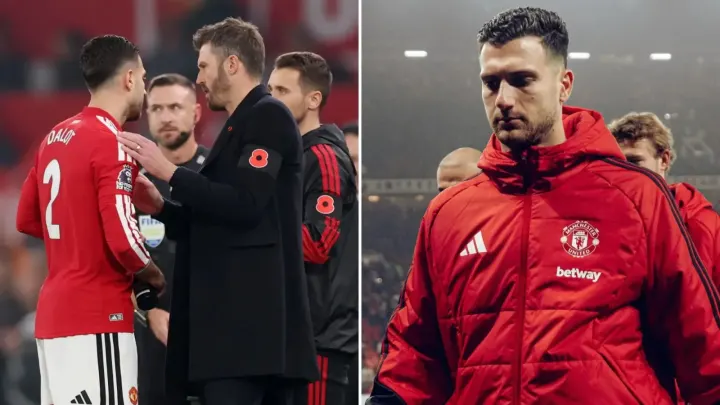
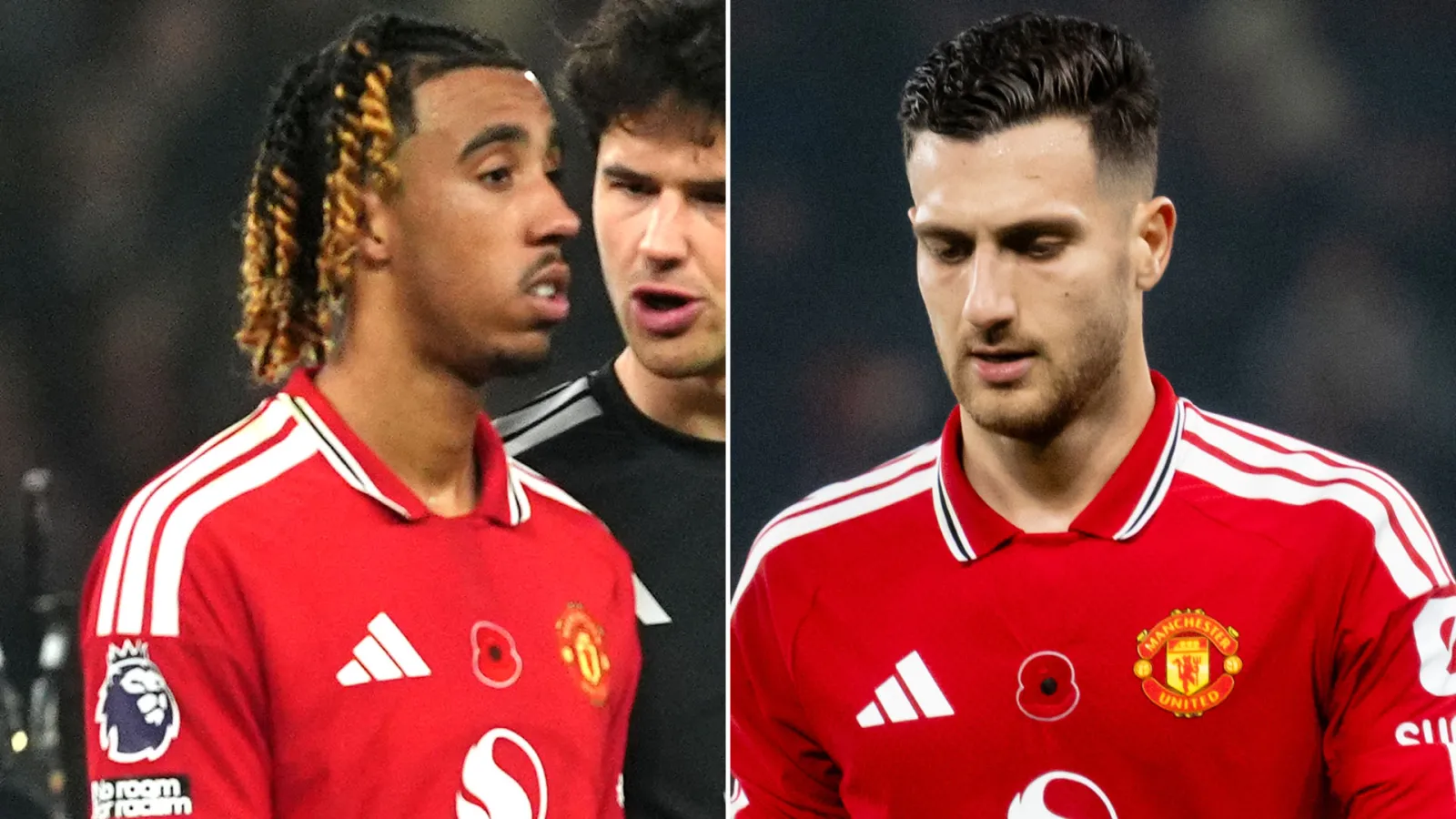
The backline features several contract situations that add uncertainty. Luke Shaw, Harry Maguire and Lisandro Martínez are all out of contract at the end of the season, while right-back Diogo Dalot was substituted in the 66th minute after a penalty concession and a series of poor interventions. Dalot's replacement, 17-year-old Patrick Dorgu, scored a late goal and provided an assist, but the crowd's reaction - mocking cheers - underscored the fan's lack of confidence in the defensive unit.
Club officials have hinted at a defensive rebuild slated for summer 2027, but the immediacy of the relegation battle makes that timeline appear unrealistic to many observers.
Why is leadership lacking on the pitch?
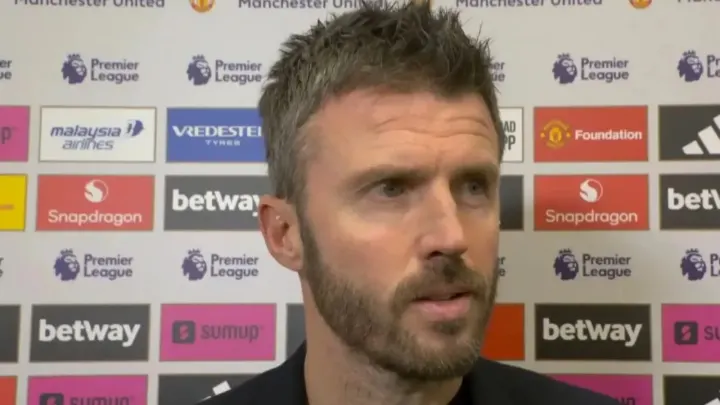
Manager Michael Carrick's side has been described as "playing off moments", a phrase that signals a lack of structure and control. The midfield and attack have shown flashes of resilience - Matheus Cunha and Amad Diallo each tried to lift the team with gestures toward the crowd - but the defensive lapses have repeatedly undone those efforts.
Veteran presence is thin. With Maguire's contract ending and Shaw's future uncertain, there is no clear figure to organise the back line. Even Bruno Fernandes, who scored a penalty and expressed visible frustration at the final whistle, could not rally his teammates into a cohesive defensive shape.
The lack of a commanding voice has contributed to United's slide into the relegation places despite occasional attacking brilliance.
What does the upcoming fixture list mean for United's survival hopes?
After the Villa draw, United face Liverpool on Sunday 22 November at 16:30, a match that will test their defensive resilience against one of the league's most potent attacks. The following week they travel to Sporting for a League Stage fixture on Wednesday 25 November at 20:00, before hosting Brentford on Saturday 28 November at 15:00.
Additional Premier League clashes include a trip to Newcastle on Wednesday 2 December at 20:15. Each of these games offers a chance to earn vital points, but the defensive record suggests that United must tighten at the back to avoid further setbacks.
How can United address the three highlighted issues?
Fan engagement: The club could arrange a town-hall style meeting with supporters, outlining a clear short-term plan for the relegation fight and addressing ownership concerns.
Defensive reinforcement: Short-term solutions might involve loan signings or recalling players from the academy, while a longer-term plan should focus on permanent contracts for key defenders before the summer window.
Leadership development: Appointing a senior figure - possibly a veteran midfielder or a new captain - to organise the defence on the pitch could bring the needed structure. Training sessions that emphasise defensive shape and communication are also essential.
What should supporters watch for in the coming weeks?
Key indicators will be United's goals-against tally in the next five matches, the outcome of the Liverpool clash, and any official statements from the board regarding contract extensions for Shaw, Maguire and Martínez. Additionally, any public response from the Glazer family or Sir Jim Ratcliffe to the fan protests will signal whether off-field tensions are being addressed.
In summary, the 4-4 draw with Aston Villa was a microcosm of Manchester United's current turmoil: a passionate fanbase demanding change, a defence that cannot stop conceding, and a leadership vacuum that threatens the club's Premier League status.