How EloElo Built a $500 Million Microdrama Empire in India
Imagine binge-watching a television drama where every single episode lasts just two minutes and is filmed vertically for mobile screens. This format defines the microdrama industry, a sector where 118 million people in India now watch content every month on the EloElo platform. The massive surge in mobile-first viewing has attracted heavy financial backing from Hollywood, changing how digital entertainment is produced and consumed across South Asia.
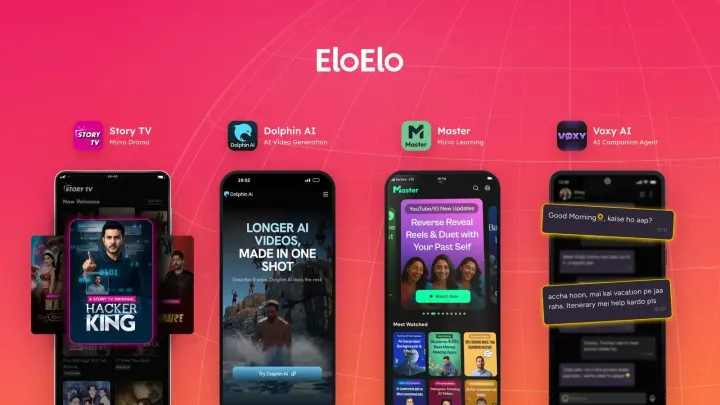
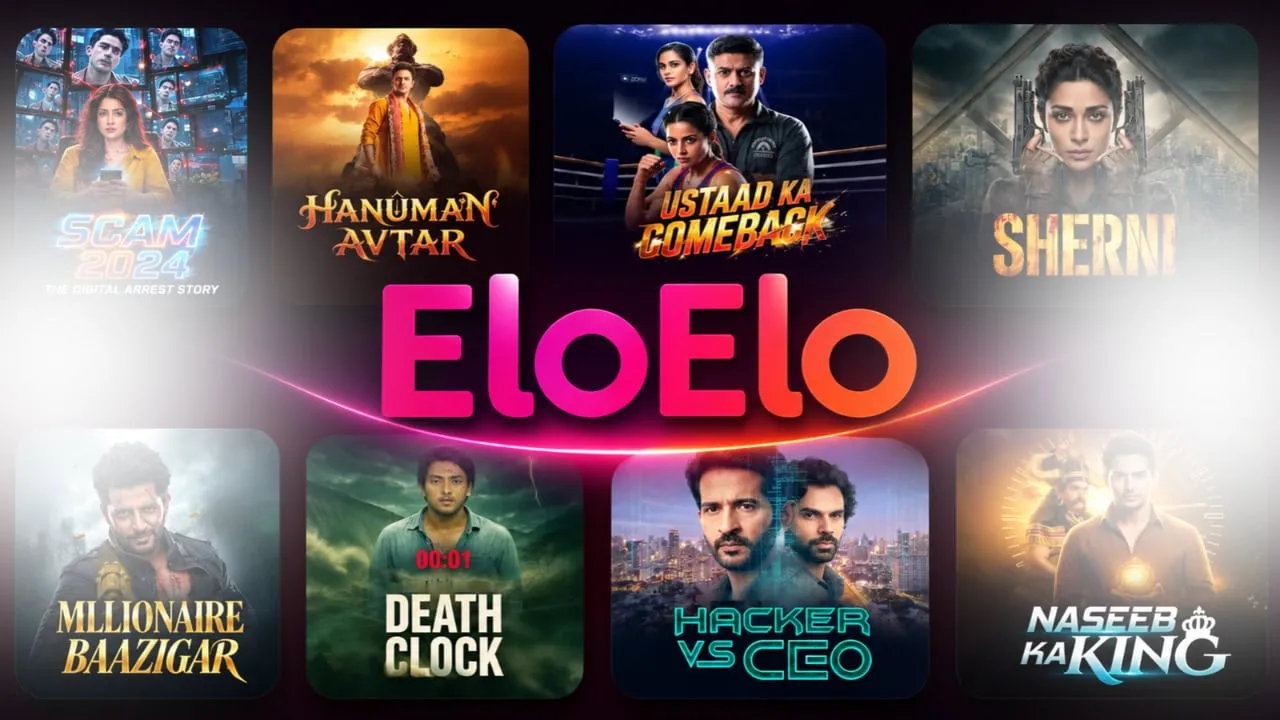
Indian startup EloElo recently secured $80 million in a Series C funding round. American media conglomerate NBCUniversal, the studio behind Universal Studios, led the investment alongside Hornbill Capital. This capital injection values EloElo at $500 million and brings its total funding raised to $130 million. The company operates StoryTV, a leading microdrama service in the country that functions similarly to a mobile-native streaming network.
Understanding the Microdrama Format and StoryTV
StoryTV offers shows structured as a series of bite-sized episodes, with each segment lasting between one and three minutes. Users consume the content by swiping vertically through episodes, mirroring the mechanics of short-form video platforms like Instagram Reels or TikTok. Former Flipkart executive Saurabh Pandey established the company in 2020, aiming to capture the shifting attention spans of modern digital audiences.
The platform currently provides over 5,000 titles available in six Indian languages. The library covers diverse genres including drama, thriller, romance, and family storylines. A strategic partnership with Balaji Telefilms, recognized as one of the largest production houses in the country, supplies original programming for the application.
User Engagement and Daily Watch Times on Mobile
The engagement metrics achieved by the startup explain the decision by NBCUniversal to invest heavily in the enterprise. StoryTV currently attracts over 33 million monthly active users who spend an average of 95 minutes daily on the application. Users frequently open the platform multiple times throughout the day during short breaks between everyday tasks.
Founder Saurabh Pandey explained the shift in consumer habits during media interviews, highlighting how mobile devices have replaced traditional television for younger demographics. He noted that while short video clips gained popularity earlier, serialized storytelling on mobile devices remained unsolved until recently.
"I fundamentally believe that the next billion users will probably not grow up on a diet of watching television; they will grow up on a diet of watching content on their phones, right? And this content has to be, and this entertainment, designed very differently. It's not going to be appointment viewing. It's going to be within certain slots throughout the day. And a lot of this was earlier solved for short clips, but serialized storytelling was never solved," Pandey said about the microdrama format.
Monetization Challenges and the Free-Tier Dilemma
Despite impressive viewership figures, generating steady revenue from microdramas remains a complex challenge for platform operators. The application provides monthly, quarterly, and yearly subscription plans alongside free, ad-supported content options. Industry reports indicate that only 15 to 17 million users actually pay for monthly access, while the majority of viewers remain on the free tier without converting.
Even with monetization hurdles, financial analysts maintain positive outlooks for the sector's long-term commercial potential. Market projections suggest the Indian microdrama market could expand to reach between $3 billion and $4 billion annually by the year 2030. The vast internet population in the country exceeding one billion users provides a solid foundation for these growth estimates.
Artificial Intelligence Integration in Content Production
To keep pace with the demand for fresh episodes, EloElo is actively developing artificial intelligence tools to accelerate video production workflows. Its proprietary Dolphin AI platform assists creators with video editing, visual generation, and general production tasks. Despite technological advancements, leadership emphasizes that human creative oversight remains essential for compelling storytelling.
Pandey compared artificial intelligence tools to a powerful engine that still requires a qualified human driver for proper steering. This balance allows creators to maintain high output levels without sacrificing narrative quality or emotional resonance in their serialized dramas.
Regional Impact and Future Industry Outlook
Audiences across South Asia who consume Indian entertainment media find new entertainment outlets through these mobile-first formats. The growing appetite for serialized mobile entertainment indicates potential for cross-border expansion as smartphone penetration deepens across neighboring regions. As digital infrastructure improves, traditional television and film industries will likely continue adapting their production strategies to match these shifting viewing habits.