Bolivian Football Cup Final Ends in Violence and Seven Red Cards
A high stakes football match in South America turned into a massive brawl when a referee physically struck a goalkeeper in the face during post-match altercations. The fixture involved teams Always Ready and Real Potosi, drawing a scoreless finish that secured the championship trophy for Always Ready due to their aggregate advantage from an earlier leg. Instead of a standard post-match celebration, the pitch became a battleground as players and coaching staff converged on the officiating crew to protest disputed calls made during the game.
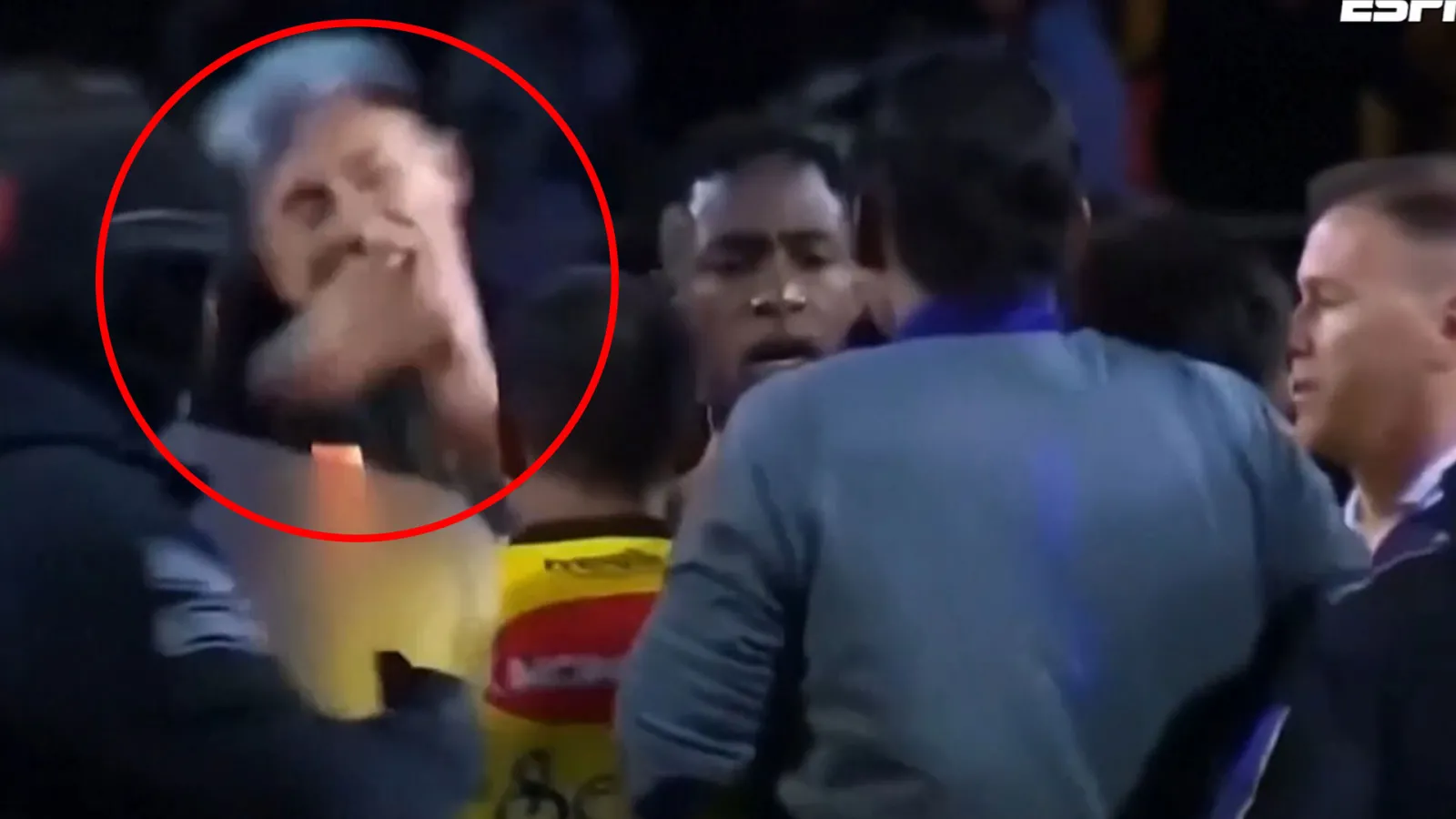
Footage circulating from the event captured referee Jordy Aleman surrounded by angry participants, including athletes and technical staff. Amid the escalating confrontation, Aleman issued a total of seven red cards, dismissing four players and three coaches. The situation deteriorated further when the official appeared to deliver a direct punch to the face of Real Potosi goalkeeper Cristian Martinez, leaving the athlete bleeding on the turf.
What Happened Between Referee Jordy Aleman and Cristian Martinez
Following the conclusion of the match, players from Real Potosi crowded the officiating team to voice intense frustration over the refereeing decisions. Video evidence shows the verbal argument quickly turning physical. During the melee, referee Jordy Aleman struck goalkeeper Cristian Martinez directly on the facial area.
According to reports from sports publication Marca, the stricken goalkeeper confirmed that the blow caused him to bleed. Despite the severity of the strike, the player maintained that the impact did not render him unconscious. During the heated verbal exchange that accompanied the physical altercation, the goalkeeper hurled harsh insults at the official, expressing anger over the perceived injustice of the match officiating.
Despite the shocking nature of the physical assault, the affected athlete indicated a desire to drop the matter rather than pursue formal charges or legal actions. In a public statement shared on social media channels, the goalkeeper stated his intention to put the incident behind him and prevent the situation from generating further controversy. He also reiterated his full willingness to cooperate with the competent authorities and offer any clarification that may be required.
The Stakes of the Bolivian Cup and Domestic Standings
The tournament in question stands as the second most prestigious domestic football prize in the country, trailing only the top tier league championship in terms of historical importance. Clubs across the nation compete fiercely for the silverware, making high pressure matches common during the later stages of the competition. Always Ready entered the fixture as the defending holders of the title, adding extra motivation for both squads to secure victory.
At the time of the cup final, Always Ready was experiencing a tight campaign in the regular league standings. The club shared a joint position at the top of the table with rivals Bolivar La Paz, with both organizations sitting level on 60 points. With only three matches remaining in the domestic league season, the physical toll and disciplinary fallout from the cup final could heavily influence player availability and team focus as the championship race reaches its climax.
Disciplinary Fallout and Official Silence
The issuing of seven red cards in a single post-match sequence represents a severe disciplinary action that typically triggers automatic league suspensions and official reviews by national sports governing bodies. Referees possess wide authority to sanction participants for unsportsmanlike conduct, dissent, or physical aggression. However, physical retaliation by an official against a player remains an extraordinarily rare occurrence in professional sports.
As the sports world processed the shocking footage, institutional responses remained delayed. Representatives for the Bolivian Football Association and Real Potosi declined to issue immediate statements regarding the brawl or the actions of the officiating crew. Observers of South American football continue to monitor the situation for potential disciplinary hearings, referee suspensions, or independent investigations into the conduct of all parties involved in the pitch invasion.