Bollywood Remake of Pakistani Folk Song Sammi Meri Waar Sparks Credit Row
Indian singer Tulsi Kumar is at the centre of a fresh controversy after her rendition of the traditional Punjabi folk song Sammi Meri Waar drew accusations of copying the arrangement and style of the iconic Pakistani version released by Coke Studio.
The version, released by Indian music label T-Series, has reignited a heated debate online over cultural ownership and credit. Music enthusiasts and cultural commentators across South Asia are examining the boundaries between heritage sharing, copyright attribution, and artistic recognition in the modern digital entertainment industry.
For every heart that has loved, waited and missed someone. 💕❤️#SammiMeriWaar Out Now.https://t.co/hei2hiAU1a#tseries @TSeries #BhushanKumar @TulsiKumarTK #PrasannaSuresh #Traditional #SwapnilRaj pic.twitter.com/5diUKXltDo
— T-Series (@TSeries) November 24, 2026
The History and Significance of Sammi Meri Waar
Traditional folk music forms the bedrock of regional culture across the Punjab region, transcending modern national borders established in 1947. Sammi Meri Waar is one such timeless composition, deeply rooted in the historical folklore and oral traditions of the Sandal Bar and Pothohar regions.
For generations, folk artists have passed down these melodies through community gatherings, rural performances, and regional radio broadcasts. The song tells a tale of longing and separation, common themes in traditional Punjabi folk poetry, often sung during seasonal festivals and wedding celebrations by women gathering in courtyards.
Journalist and analyst Umar R Qureshi shared an old video of legendary Pakistani singer Gulshan Ara Syed performing the song, highlighting its deep folk roots in the region. These archival performances established the foundational structure that later modern interpreters would adapt for contemporary audiences.
The 2015 Coke Studio Pakistan Phenomenon
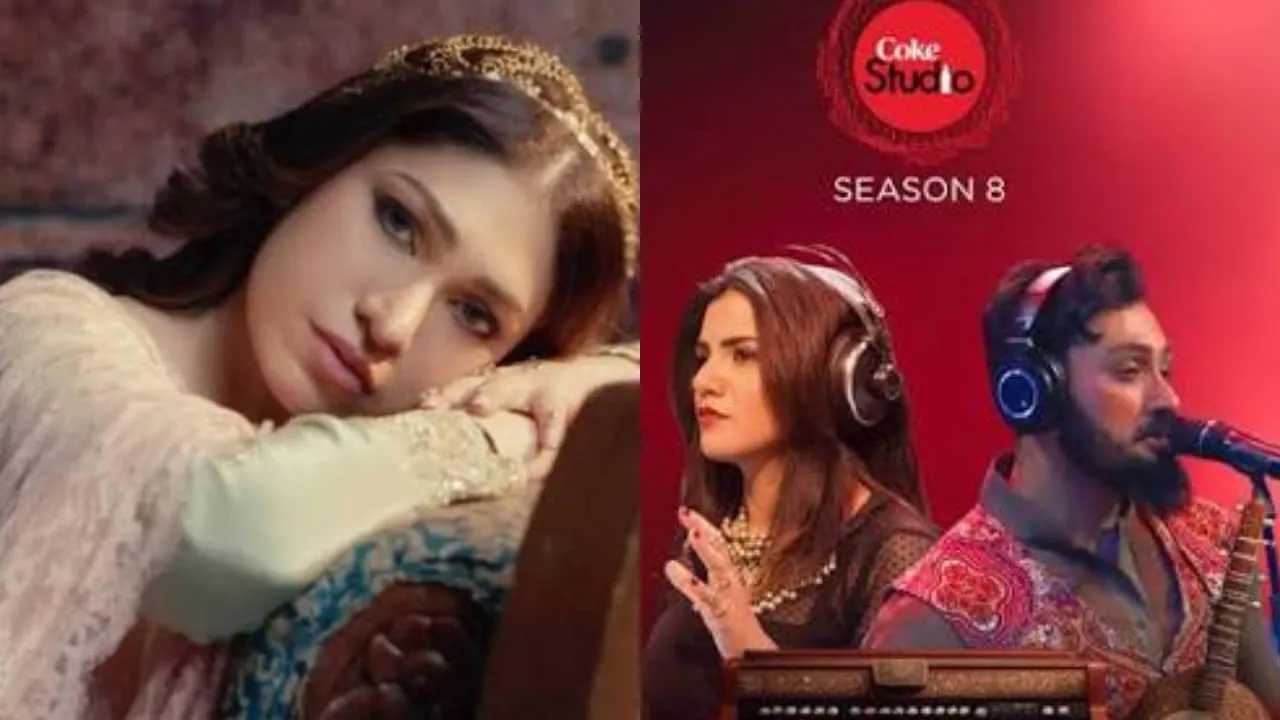
The contemporary global recognition of the track stems primarily from its 2015 revival by the platform Coke Studio Pakistan. The song was famously performed by Quratulain Balouch, known widely as QB, and Umair Jaswal for Coke Studio Pakistan in 2015, bringing it international recognition with nearly 18 million views on YouTube.
This specific arrangement combined powerful rock instrumentation with traditional vocal styling, creating a distinct sonic identity that captivated listeners worldwide. The production choices, vocal harmonies, and instrumental buildup transformed the age-old folk tune into a modern masterpiece.
Because of this massive digital footprint, millions of music fans around the world came to associate the specific arrangement, tempo, and vocal delivery with the Quratulain Balouch and Umair Jaswal collaboration. That strong association forms the core of the current dispute involving the recent Indian release.
Details of the T-Series Release and Attribution Concerns
The recent controversy began when Indian music label T-Series published Tulsi Kumar's version of the track. Kumar's version reportedly lists only \"Traditional\" in its credits, with no mention of the Pakistani musicians behind the Coke Studio rendition.
Critics argue the issue is not the reinterpretation of an old folk song, but the failure to acknowledge its cultural background and the artists who gave it modern identity. Folk music is communal property, but borrowing specific modern arrangements, vocal phrasing, and production styles without attribution crosses ethical boundaries in the professional music community.
The debate intensified when T-Series attributed additional lyrics to Tulsi Kumar while making no clear reference to the song's Pakistani folk tradition. This lack of transparency regarding the source material has left many industry observers questioning current copyright practices within the major label ecosystem.
Social Media Outcry and Regional Cultural Politics
Pakistani users have flooded social media with criticism, pointing out what they describe as a glaring double standard. Social media platforms became arenas for fierce debates over intellectual property, cultural appropriation, and cross-border artistic borrowing.
The controversy comes amid calls in India to boycott Pakistani artists and content, including the upcoming Netflix series Jo Bachay Hain Sang Samait Lo. This political backdrop amplifies the tension, as cultural exchanges between neighbouring nations face strict regulatory and social hurdles.
Many online commentators pointed out the irony of adopting popular Pakistani musical arrangements while official and social barriers prevent collaborative artistic projects between artists from both countries. The public reaction demonstrates how deeply intertwined cultural heritage remains despite geopolitical divides.
Impact on Cross-Border Artistic Relations
Incidents like this latest controversy often set back efforts toward mutual cultural appreciation in South Asia. When commercial entities adapt popular regional works without proper accreditation, it breeds resentment among artists and audiences who feel their creative labour is being exploited.
Independent musicians and folklorists emphasize that while traditional melodies belong to the public domain, contemporary creative contributions deserve explicit recognition. As digital platforms continue to blur geographic boundaries, the demand for transparent crediting mechanisms grows louder among global listeners.
Observers are watching to see if T-Series or Tulsi Kumar will issue a statement addressing the backlash or update the credits to acknowledge the influential 2015 arrangement. For now, the online discussion continues to highlight the complex dynamics of heritage, modern production, and digital accountability in the music industry.