How Winter Weather Compounds GLP-1 Weight Loss Jab Side Effects
People using GLP-1 medications for weight management often believe they have mastered their routines, from dosing schedules to managing initial discomfort. However, the colder months introduce a fresh set of obstacles that can intensify unpleasant symptoms or interfere with ongoing weight reduction goals. Seasonal shifts bring richer foods, festive drinks, and winter illnesses, all of which interact with how the body processes these treatments, according to Dr Donald Grant, a general practitioner and senior clinical advisor at The Independent Pharmacy.
These prescription medications function largely by slowing down the rate at which food empties from the stomach, which is a primary mechanism for suppressing appetite. At the same time, this physiological delay leaves the digestive tract much more sensitive to dietary choices, fluid intake, and daily activity levels. While the body normally adapts to the medication over time, a busy calendar filled with late meals, decreased physical movement, and holiday parties can disrupt this balance, leading to severe nausea, constipation, and reflux.
Why Dehydration Sneaks Up on You During Colder Months
Unlike the summer season when high temperatures naturally prompt people to reach for cold drinks, individuals often neglect hydration when the weather turns cold. Because people do not feel hot or thirsty, they frequently get through an entire day relying on just a couple of cups of tea. Furthermore, turning up central heating creates dry indoor air that accelerates moisture loss from the body, compounding the issue.
Dr Grant warns that hydration is crucial for those taking weight loss medication, noting that inadequate fluid intake directly worsens constipation, headaches, and general fatigue. To counter this, he recommends keeping a water bottle nearby on a desk and sipping continuously throughout the day, adding that warm beverages like herbal tea contribute equally to daily fluid goals.
The Impact of Richer Seasonal Foods on Digestion
Hearty dishes such as stews, pies, roast dinners, and creamy puddings make a widespread return during cold weather, but they can act as a severe shock to a sensitive digestive system. Because GLP-1 treatments already delay stomach emptying, consuming heavy, fatty meals means food remains in the digestive tract for extended periods, sitting uncomfortably for hours.
That combination frequently results in heightened nausea, persistent bloating, and an intensely uncomfortable feeling of over-fullness. Medical experts clarify that slimmers do not need to banish winter comfort foods completely, advising smaller portions, slower eating paces, and stopping as soon as satisfaction is reached. Lighter alternatives, such as vegetable soups or tomato-based stews instead of cream-heavy options, also help prevent severe digestive distress.
Navigating Festive Alcohol Consumption
The winter festive period heralds an increase in social gatherings, and social events often involve higher alcohol consumption. Dr Grant cautions that alcohol can significantly exacerbate nausea and sickness for anyone using a GLP-1 medication, especially when consumed on an empty stomach, which happens easily when overall food intake is reduced.
For those who choose to drink, medical advice suggests limiting intake to one or two units, eating food beforehand, and alternating alcoholic drinks with water. Sugary cocktails and mulled wine tend to upset the stomach further, while carbonated mixers and fizzy drinks contribute heavily to bloating, making a simple spirit paired with a low-sugar mixer a more tolerable choice.
Combating Reduced Physical Activity in Winter
Shorter days, cold mornings, and rainy evenings make the prospect of outdoor exercise far less appealing, leading many people to reduce their physical activity. Unfortunately, this drop in movement negatively affects bowel function, particularly for individuals on weight loss injections whose digestive tracts already move at a slower pace.
Bows rely on physical motion to function correctly, and long periods spent lounging on the sofa can aggravate constipation, with that physical discomfort subsequently discouraging proper eating habits. A brisk walk lasting 10 to 15 minutes after meals offers substantial relief, while indoor alternatives like gentle stretching or walking laps around the house serve well when weather conditions prevent outdoor trips. To further assist digestion, incorporating enough fibre from vegetables, fruit, and oats is essential, though Dr Grant advises increasing fibre intake gradually to avoid excess wind and bloating.
Avoiding Post-Dinner Lying Down and Reflux Triggers
Eating dinner followed immediately by relaxing on a couch or lying in bed to watch a movie ranks as a favourite winter pastime, but it poses significant risks for medication users. Dr Grant warns that reclining with a full stomach is a frequent trigger for heartburn and acid reflux among GLP-1 users, since food lingers in the stomach much longer than usual.
Experts advise finishing the final meal of the day two to three hours before sleeping, keeping late meals light if delayed eating is unavoidable, and remaining upright for a period afterward. Elevating the head of the bed slightly with an extra pillow can also provide relief if nighttime reflux disrupts sleep.
Managing Winter Illnesses Alongside Medication Side Effects
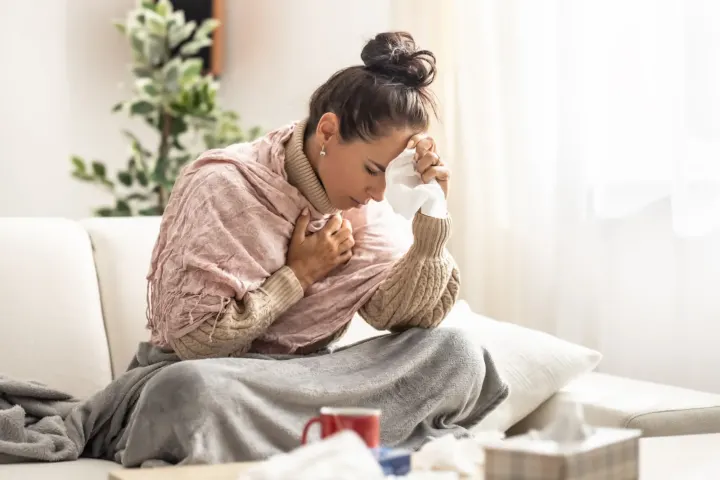
The colder months bring a surge in circulating illnesses, ranging from common colds and influenza to severe stomach bugs like norovirus. Vomiting or diarrhoea occurring alongside existing GLP-1 side effects can induce rapid dehydration, and it can prove difficult to determine whether symptoms stem from an infection or a medication reaction.
Patients should maintain fluid intake and use oral rehydration sachets if substantial fluids are lost, consulting a prescriber or pharmacist before taking the next dose if keeping liquids down proves impossible. Pushing through severe symptoms without professional advice is discouraged, and individuals must seek urgent medical help immediately if they experience severe abdominal pain, extreme dizziness, or a cessation of urination.
The Risks of Pausing Injections for the Holidays
Some individuals consider temporarily stopping their weight loss injections over the Christmas period to allow for party indulgence and temporary relief from side effects. However, Dr Crystal Wyllie, a general practitioner at ASDA Online Doctor, warns that this strategy frequently backfires. The primary challenge of halting treatments like Wegovy or Mounjaro is the rapid return of appetite, which complicates ongoing weight maintenance.
GLP-1 medications function by acting as an appetite brake, helping individuals feel full for longer while subduing persistent thoughts about food, often described as food noise. Removing that medication removes the brake, leading to surging hunger, stronger cravings, and gradually expanding portion sizes. Beyond physical changes, the psychological adjustment can prove equally demanding, as people accustomed to reduced food noise may find the sudden resurgence of intense cravings overwhelming.