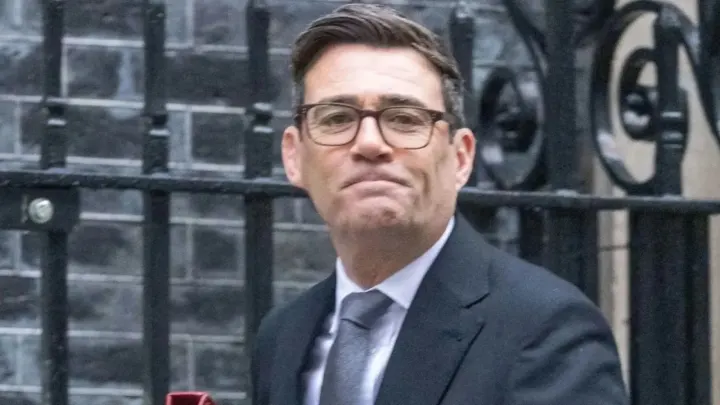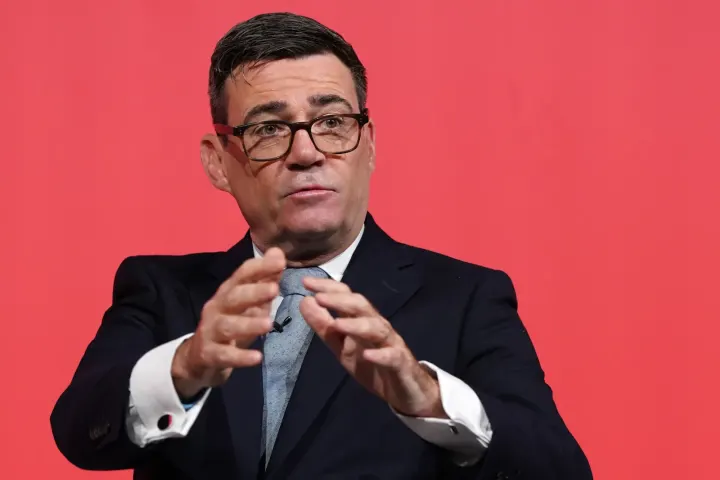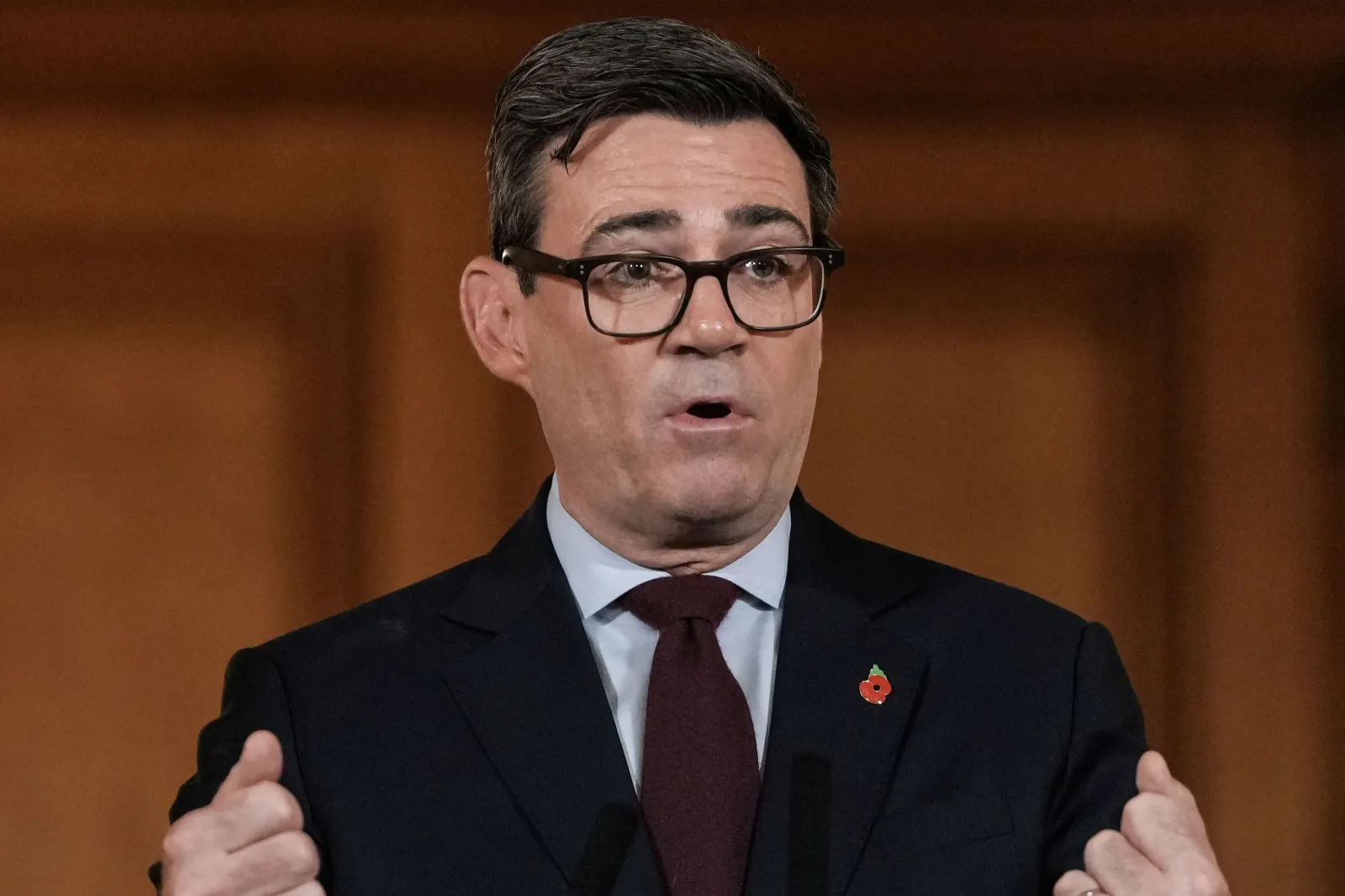
Downing Street faced turmoil last evening after reversing its position on holding a promised public vote regarding Andy Burnham and a potential return to EU free movement.
Earlier in the day, the Prime Minister indicated he would refuse to restore Britain to the EU visa-free system without organizing a public referendum.
However, a government spokeswoman clarified just hours later that the method for drawing closer to Brussels remained undecided, stating that a referendum was not under discussion.
This development followed comments from Mr. Burnham suggesting that accepting EU freedom of movement could be included in his broader renegotiation with the bloc.
Such a move would grant 450 million European Union citizens unconditional rights to reside and work within the UK.
Despite this, maintaining distance from freedom of movement stays a firm red line in the Labour manifesto, alongside keeping out of the customs union and single market throughout the current Parliament.
Appearing yesterday on ITV program Good Morning Britain, the Prime Minister faced direct questioning about whether he would bring back free movement without a public vote.
He answered by saying no, and remarked that the past decade since Brexit changed conditions, leaving the country without the immigration controls it previously held.
When questioned further on whether he desired Britain to re-enter the EU, he stated he hoped to witness it during his lifetime, but added he would not run ahead of the public or impose his personal views.
Earlier during the Makerfield by-election this summer, Mr. Burnham stated he had no desire to reopen the arguments surrounding Brexit.
That specific constituency cast a strong vote in favor of leaving the European Union during the 2016 referendum.
Senior Conservative figure Alex Burghart criticized the remarks, stating they proved the Prime Minister completely abandoned the electorate in Makerfield.
Mr. Burghart added that rejoining the EU would fail to reduce the growing welfare expenditure, finance the Armed Forces, or assist in managing immigration.
Small Boats And Migration Controls
By Tom Scotson
Andy Burnham attributed the ongoing small boats crisis directly to Brexit.
The Prime Minister stated that Channel crossings surged after migrants realized authorities could no longer deport individuals as effectively as before.
He explained that departing the European Union resulted in the loss of collaborative tracking networks and formal deportation agreements.
He concluded that control is now weaker, noting that people cross knowing officials cannot send them back in the previous manner.