CD Tenerife's majority shareholder Rayco Garcia pledged to look after the family of striker Jesus de Miguel on Tuesday, after the player died from an on-field collision with FC Andorra goalkeeper Jesus Owono during a Segunda División match.
Garcia addressed the Tenerife squad outside the funeral home, specifically naming de Miguel's wife María and their young daughter, and promised that the child would never lack anything. The emotional appeal came as the club and the broader football community mourned a sudden loss.
What Happened on the Field?
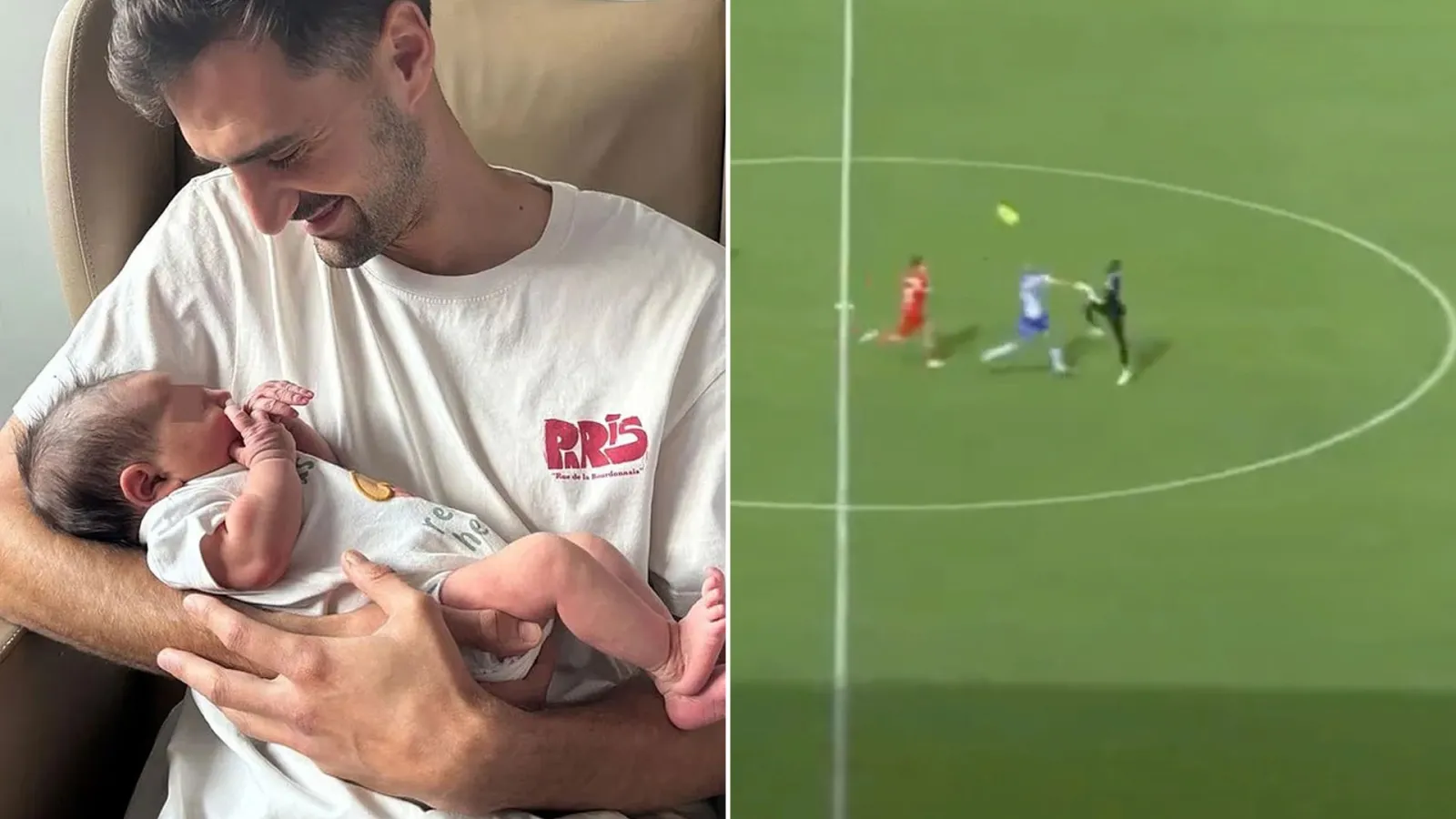
On Monday, the second-division showdown between CD Tenerife and FC Andorra entered extra time. In the 97th minute, de Miguel, a striker for Tenerife, collided with Andorra's goalkeeper, Jesus Owono. The impact caused what officials described as "accidental chest trauma."
Medical staff on the pitch attended to de Miguel immediately. He was taken to a nearby hospital by ambulance, where he suffered a cardiac arrest. Paramedics performed resuscitation and, according to the club's statement on Monday, he was "stable despite the severity of his condition."
In the early hours of Tuesday, the club posted an update that de Miguel's neurological condition had worsened. Later that morning, Tenerife confirmed his death.
Who Is Rayco Garcia and What Is His Role?
Rayco Garcia is the majority shareholder of CD Tenerife, a club that competes in Spain's Segunda División and has a fan base that spans the Canary Islands. As a principal investor, Garcia holds significant influence over the club's strategic decisions, financial management, and player welfare policies. His public appearance at the funeral home, alongside the entire Tenerife squad, underscores the personal involvement of club leadership in moments of tragedy.
How the Club Is Responding to the Tragedy
Garcia's promise to the family is the most visible action taken so far. He told the players, "I ask you to stay close to María... and I promise you that her little girl will never lack anything." After delivering the message, Garcia broke down and left the scene, reflecting the depth of grief shared by the club.
Beyond verbal assurances, CD Tenerife has taken the following steps:
- Issued a series of statements on its official social media channels, confirming the player's condition and eventual passing.
- Coordinated with medical professionals to ensure that de Miguel's family received appropriate support during his hospitalisation.
- Allowed de Miguel's parents to join María at the hospital, providing a family presence during the critical period.
- Prepared a memorial service that will be attended by teammates, staff, and representatives from the Spanish football federation.
Background on the Player and the Incident
Jesus de Miguel, 27, had been a regular starter for CD Tenerife since joining the club in 2021. Known for his aerial ability and work rate, he contributed 8 goals and 5 assists in the previous season, helping Tenerife finish mid-table. His career had been on an upward trajectory, and he was regarded as a potential candidate for a future move to La Liga.
The match against FC Andorra was part of the regular season schedule. FC Andorra, owned by former Barcelona captain Gerard Piqué, has been a competitive side in the division. The clash in the 97th minute was a routine aerial duel for a cross into the box when de Miguel and Owono collided. While such collisions are not uncommon in football, the force of impact caused severe chest injury, a rare but documented risk in contact sports.
Medical Explanation: Accidental Chest Trauma and Cardiac Arrest
Accidental chest trauma refers to blunt force injury to the thoracic cavity, which can damage the heart, lungs, or major blood vessels. In football, high-speed collisions can lead to commotio cordis, a sudden disturbance of the heart's rhythm caused by a blow to the chest. This condition can precipitate cardiac arrest, as appears to have happened with de Miguel.
Paramedics on the scene performed CPR and used a defibrillator, standard protocol for cardiac arrest. The initial hospital report indicated that de Miguel was stable, suggesting that his vital signs were maintained after resuscitation. However, neurological deterioration later indicated that the brain had suffered hypoxic injury, a common consequence when blood flow to the brain is interrupted.
Impact on the Club, the League, and the Football Community
The death of a player during a match is an extremely rare event in professional football. It has immediate emotional impact on teammates, coaching staff, and club officials, who must process grief while maintaining competitive focus. For Tenerife, the loss of a first-team striker also creates a tactical vacuum that will need to be addressed in the upcoming transfer window.
Beyond Tenerife, the incident has prompted discussions within the Spanish Football Federation (RFEF) about player safety protocols, emergency medical response times, and the availability of automated external defibrillators (AEDs) at stadiums. Other clubs have expressed solidarity, with several posting tributes on social media and offering support to the de Miguel family.
What Comes Next for the Family and the Club?
Garcia's pledge to ensure that María and the young daughter "will never lack anything" suggests the club may establish a financial trust or provide ongoing assistance. While no specific amount has been disclosed, similar gestures in Spanish football have included monthly stipends, education funds for children, and coverage of medical expenses.
CD Tenerife will likely hold a formal memorial service within the next week, inviting former teammates, club legends, and representatives from the RFEF. The club's schedule will include a moment of silence before the next home match, a practice common in European football after a player's death.
In the longer term, the league may review its emergency response guidelines. The RFEF has the authority to issue new regulations requiring clubs to have on-site medical teams with advanced life-support training and to conduct regular drills.
Practical Takeaways for Readers
If you are a fan of CD Tenerife, you can support the family by contributing to any official fundraising campaigns the club may launch. For those involved in amateur football, the incident highlights the importance of having an AED on hand and ensuring that coaches and volunteers receive basic CPR training.
For players and their families, understanding the risks associated with high-impact sports and having appropriate insurance coverage is advisable. Clubs often provide life-insurance policies for professional athletes, but families should verify the terms and benefits.
Finally, the tragedy serves as a reminder that football, while a source of joy for millions, carries inherent physical risks. Ongoing dialogue among clubs, medical professionals, and governing bodies is essential to mitigate those risks and protect the well-being of players.