Comparing Religious Representation Across Legislative Bodies
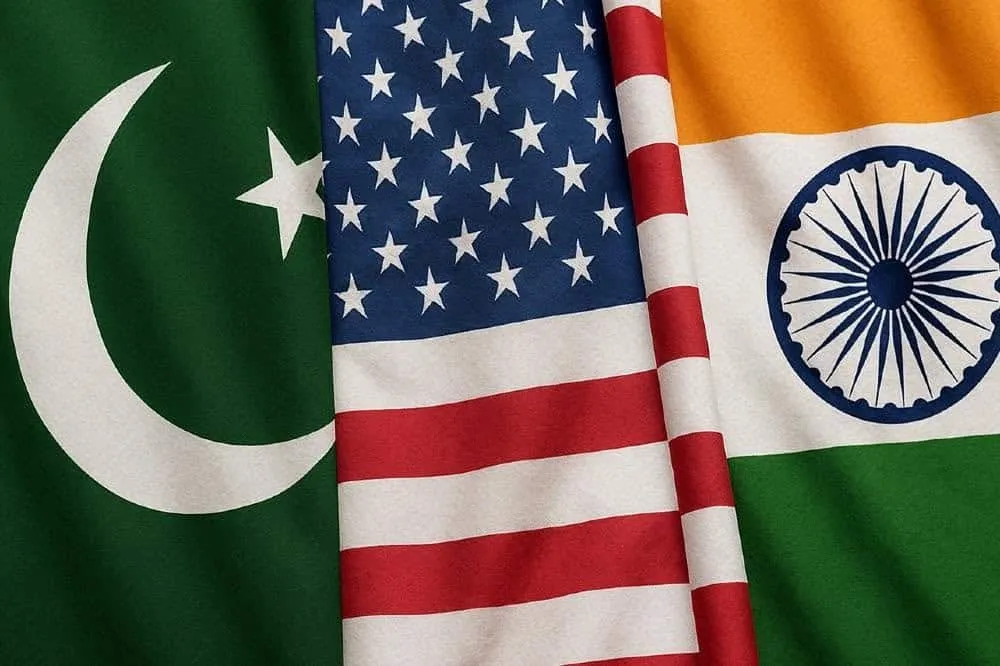
The United States and India have elected a combined 32 Muslim lawmakers to their national legislatures, while Pakistan has only one non-Muslim member elected directly to a general seat in the National Assembly, according to economist Atif Mian.
In a thread shared on X, Mian compared religious representation in the political systems of the three countries, casting light on demographic percentages and legislative outcomes. The analysis brings attention to how different electoral frameworks accommodate or restrict minority populations in securing direct mandates from voters.
Muslim Lawmakers in the United States Congress
Mian said that Muslims account for approximately 1.5 percent of the US population, while eight Muslim lawmakers have secured seats in the 535-member US Congress. The American legislative branch operates entirely on geographic constituencies where candidates win through direct pluralities or majorities without reserved seats for specific religious or ethnic groups.
The presence of Muslim representatives in Washington reflects broad voter coalitions spanning diverse communities. Over recent election cycles, American Muslims have increasingly run for and won local, state, and federal offices, demonstrating integration into the mainstream political parties.
The Structure of the United States Congress
The US Congress consists of the House of Representatives and the Senate, both populated through open elections where religious affiliation is a matter of personal identity rather than a legal category. Candidates campaign across diverse districts, building support among voters of all backgrounds. This system allows minority populations to win elections by appealing to broad civic concerns rather than narrow sectarian demographics.
Muslim Representation in the Indian Parliament
In India, Muslims make up around 14 percent of the population but account for approximately 4.4 percent of directly elected members of parliament. The Lok Sabha, which is the lower house of the Indian parliament, comprises 543 elected seats filled through first past the post voting in single member constituencies.
Despite representing a substantial portion of the national populace, Muslim representation in the Indian legislature has faced various political headwinds. Analysts often point to shifting party strategies and the lack of proportional mechanisms as factors influencing the number of successful Muslim candidates in national elections.
Electoral Dynamics in India
India operates a secular constitutional framework where political parties field candidates based on electability, local influence, and party backing. While major parties routinely nominate Muslim candidates, the proportion of successful contenders often trails the national demographic share. The direct constituency system requires candidates to win pluralities within specific geographic boundaries, shaping how minority groups achieve political voice.
Non-Muslim Lawmakers in the Pakistan National Assembly
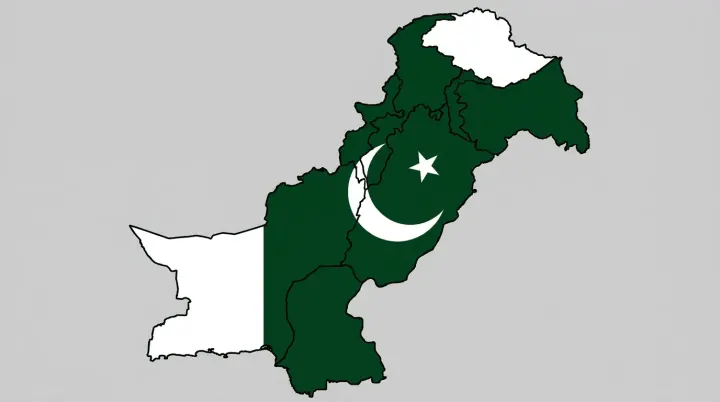
Pakistan's representation presents a different picture. Mian said non-Muslims constitute around 4 percent of the country's population, yet only one of the 266 directly elected National Assembly members is non-Muslim. This stark contrast highlights the structural limitations faced by religious minorities within the country's electoral framework.
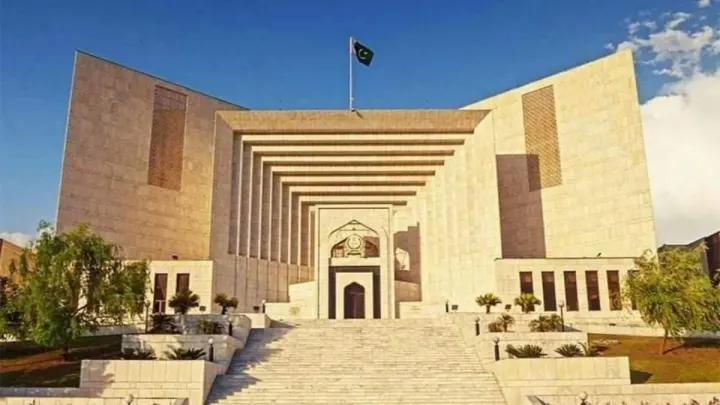
The National Assembly of Pakistan primarily consists of members chosen through direct elections in territorial constituencies. Winning a general seat requires competing in districts where religious minorities often form small numerical fractions of the local electorate, making direct victories difficult without cross sectarian political alliances.
Constitutional Provisions and Reserved Seats in Pakistan
Pakistan's Constitution separately provides 10 reserved National Assembly seats for non-Muslims, allocated through proportional representation rather than direct constituency elections. Political parties submit priority lists of minority candidates, and seats are distributed based on the total number of general seats a party wins in the house.
Mian also mentioned constitutional restrictions on certain public offices and the electoral treatment of Ahmadis. These legal provisions define specific boundaries regarding who can hold the highest constitutional offices in the state and govern how certain communities register and vote within the national system.
Understanding Reserved Seats vs Direct Elections
The system of reserved seats ensures that minority communities have a baseline presence in the legislature, but it separates them from the direct accountability of geographic voter bases. Lawmakers occupying reserved seats are chosen by party leadership via proportional lists rather than through direct campaigns led in local constituencies. This distinction changes the nature of political representation for minority populations compared to systems with open, direct contests.