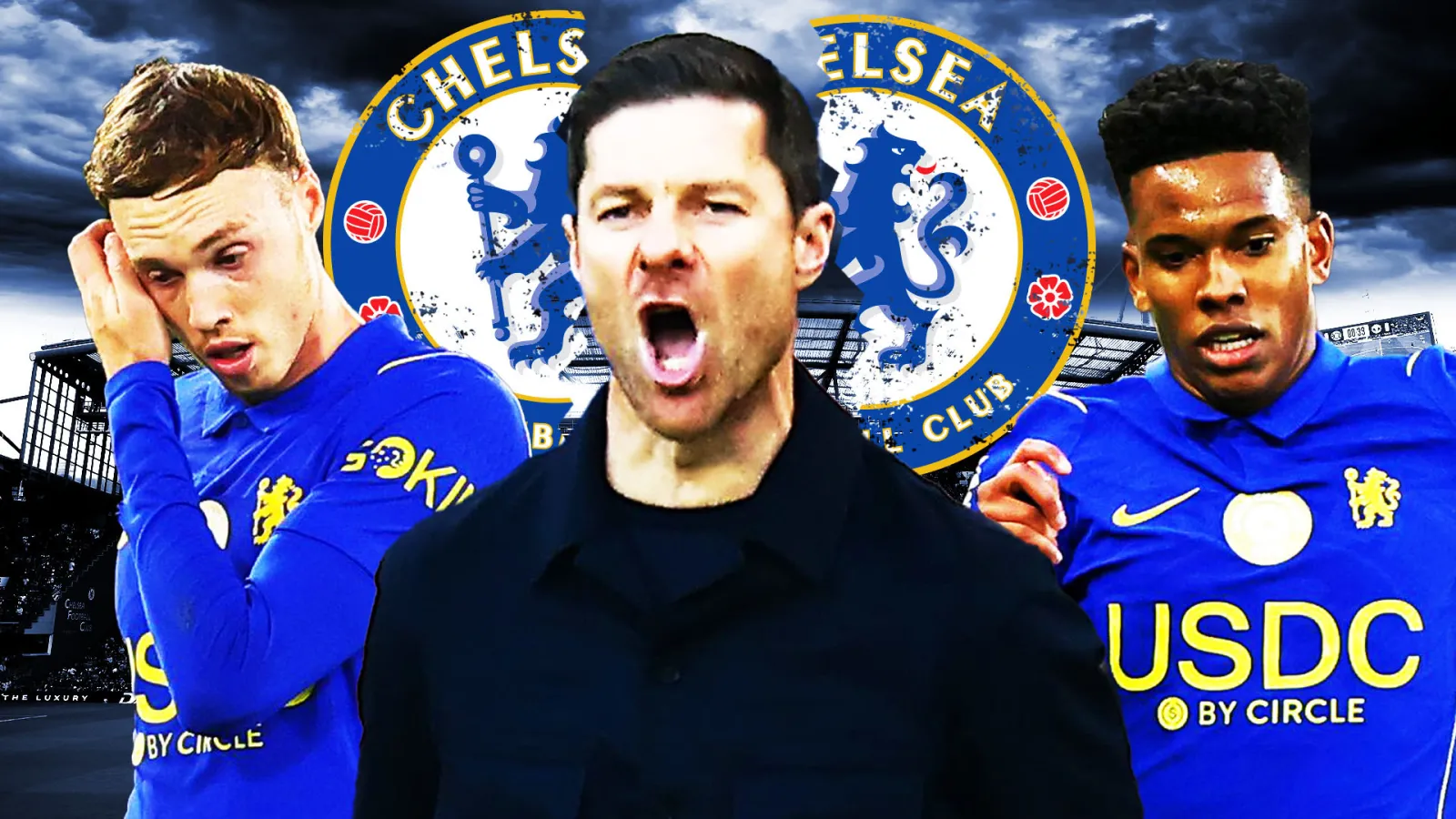
Chelsea endured a 4-1 defeat at Leeds United on Saturday, 21 November, leaving manager Xabi Alonso with three clear problems to address: a growing injury list, insufficient physical presence and the need for decisive squad changes.
SunSport analyst Jack Rosser identified the three issues during his post-match commentary, noting that the Blues entered the match with several key absentees, struggled against Leeds' aggression and now face tough personnel decisions.
What Injuries Are Plaguing Chelsea?
Alonso entered the Leeds game with a long list of unavailable players. Joao Pedro, signed in the summer, has yet to make his debut, while midfielder Moises Caicedo was forced off during the match. The club's official injury report confirms that other senior figures such as Enzo Fernández, Noni Madueke and Reece James remain sidelined.
Alonso told reporters on Friday that the solution to the shortage lies in "someone stepping up and filling that void." He highlighted the need for younger squad members to seize the opportunity, a sentiment echoed when Emmanuel Emegha scored his first goal for the club on his first start.
Beyond the immediate absences, the broader context is a season-long pattern of injuries that has limited Chelsea's tactical flexibility. Since the start of the 2024-25 campaign, the club has used 27 different players in the Premier League, a figure well above the league average of 22, indicating a heavy reliance on rotation caused by fitness concerns.
Why Is Physicality a Problem for the Blues?
Leeds United's win was built on a high-pressing, physically demanding style. Rosser noted that Chelsea "cannot compete with the Premier League physicality at the moment," and that the team "doesn't have it in them to stand up and make sure that they're not bullied."
Alonso had publicly stated before the match that his side were "ready for a fight with Leeds." The reality on the pitch, however, was a stark contrast. Leeds' forwards repeatedly won duels, forced errors and created space for the decisive goals.
Physicality in the Premier League is often measured by metrics such as aerial duels won and tackles per 90 minutes. In the Leeds match, Chelsea won only 12 of 28 aerial challenges and completed 7 tackles, compared with Leeds' 19 aerial wins and 14 tackles. The statistical gap underscores the tactical disadvantage the Blues suffered.
Which Big-Name Players Are Underperforming?
Rosser singled out Cole Palmer as a player "still really struggling to influence matches." Palmer, signed for a reported £45 million, has yet to register a goal or assist in the league, and his work-rate has been questioned by fans and pundits alike.
Willian Estêvão, another high-profile acquisition, was praised for his performance against Manchester United but "barely caused a ripple" against Leeds. The contrast highlights the inconsistency that has plagued Chelsea's new signings this season.
These underperformances matter because they occupy roster spots that could be used for players in form. With the squad limited by injuries, every under-delivering player reduces the manager's options.
What Tactical Adjustments Might Alonso Make?
Rosser suggested that the defeat could force Alonso to make "some serious calls," including dropping players previously considered "undroppable." The manager's previous handling of the Sunderland loss and the Nottingham Forest defeat on Friday showed a willingness to rotate the back line, but the Leeds result may prompt a more aggressive overhaul.
Potential adjustments include:
- Promoting academy graduates such as Carney Chukwuemeka to midfield to add energy and physicality.
- Re-evaluating the role of the wing-backs, possibly switching to a back-three formation to provide additional cover against high-press teams.
- Giving more minutes to Emmanuel Emegha, whose debut goal demonstrated a knack for finding space in the final third.
These changes would need to be implemented quickly, as the Premier League schedule offers "a quicker turnaround, less time to stew on this than they did on the Sunderland defeat." The next league fixture for Chelsea is against Tottenham Hotspur on 26 November, a match that could serve as a litmus test for any tactical revisions.
How Does This Loss Affect Chelsea's Season Outlook?
Before the Leeds game, Chelsea sat eighth in the Premier League table with 16 points from 11 matches, a points-per-game ratio of 1.45. The loss dropped them to ninth, widening the gap to the top four to five points.
Beyond league position, the defeat raises concerns about the club's ability to compete in cup competitions. Chelsea remains in the FA Cup third round and the UEFA Champions League group stage, where a lack of depth could prove costly.
Supporter sentiment, captured by chants echoing through Elland Road, reflects a growing impatience. Fan forums have highlighted the need for "more grit, more goals and fewer injuries" as the club looks to salvage the season.
What Should Chelsea Fans Watch For Next?
The immediate next steps involve:
- Alonso's press conference ahead of the Tottenham match, where he is expected to outline any squad changes.
- Updates from the club's medical team regarding the status of Joao Pedro, Moises Caicedo and other injured players.
- Performance of emerging talents like Emegha and Chukwuemeka in training and upcoming fixtures.
While the club has not announced any transfers in the current window, the summer signings' underperformance may prompt a review of the January transfer market strategy.
Practical Takeaways for Readers
For supporters, the key takeaways are:
- Expect possible lineup changes for the next match, especially in midfield and attack.
- Monitor injury updates closely; the return of key players could shift the tactical balance.
- Physicality will be a focus in training; players who can win duels may see more minutes.
For bettors and analysts, the Leeds defeat suggests that odds on Chelsea's next home game may lengthen, reflecting uncertainty around the manager's decisions.
Overall, the 4-1 loss to Leeds United has laid bare three core challenges for Xabi Alonso: a deepening injury crisis, a lack of Premier League physicality, and the need to make decisive personnel choices. How the manager addresses these issues will shape Chelsea's trajectory for the remainder of the season.