Andy Burnham EU Deal Sparks Fresh Debate on Reversing Brexit
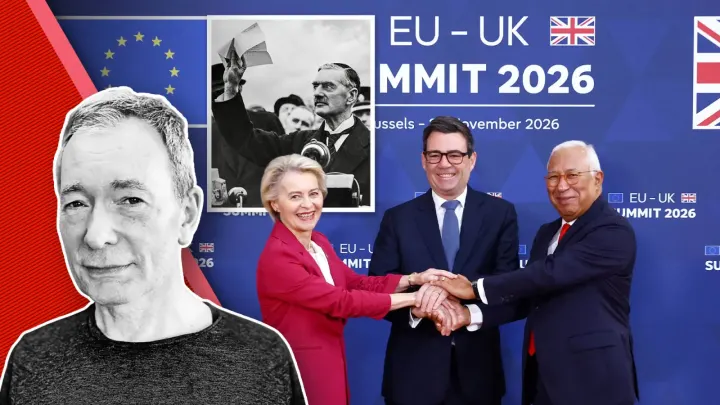
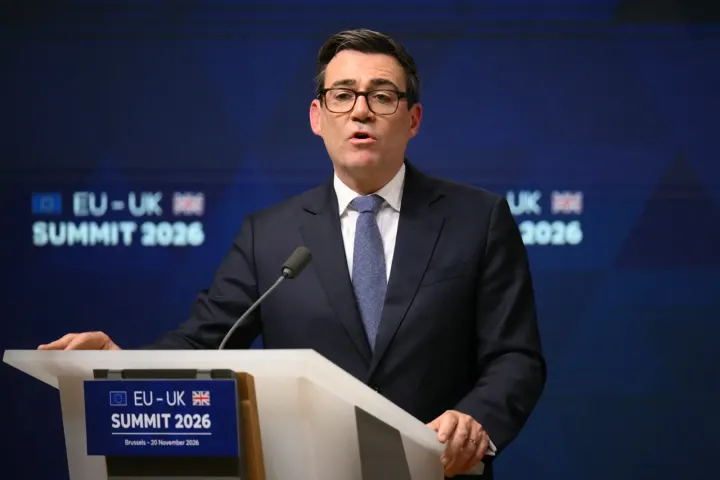
Brexit has returned to the forefront of British politics after Andy Burnham signed a new deal securing closer ties with the European Union. While this agreement marks a significant shift in diplomatic tone, it has also triggered renewed calls from various political factions for the government to go even further by reversing Brexit altogether.
Supporters of full reintegration are urging leaders to promise a formal commitment to start talks on rejoining the block in the next election manifesto. However, political analysts and cautious voices argue that rushing into such a monumental policy reversal could prove to be a grave mistake for the country.
Why Reopening the Brexit Debate Carries Political Risks
The British public voted to leave the European Union in a historic referendum held a decade ago, and major political parties agreed to respect that democratic mandate. Reopening the debate now risks unleashing intense political division across the nation. Proponents of rejoining the European Union frequently point to recent opinion polls suggesting public opinion has shifted away from the original leave vote.
Despite these survey numbers, seasoned observers remain sceptical about whether the electorate is truly prepared for swift reintegration. The original referendum victory was driven heavily by emotion, national identity, and an instinctive rejection of Brussels bureaucracy rather than purely economic calculations. Ignoring the deep-seated sentiments that shaped that outcome could alienate millions of voters who still value national sovereignty.
Balancing European Collaboration With Public Caution
The political landscape has shifted dramatically over the past decade, altering how the United Kingdom approaches its continental neighbours. Russia's ongoing war in Ukraine has lasted longer than the First World War, prompting the United Kingdom to work closely with European partners in the Coalition of the Willing. This international security cooperation represents a vital moral and strategic necessity in an increasingly dangerous geopolitical environment.
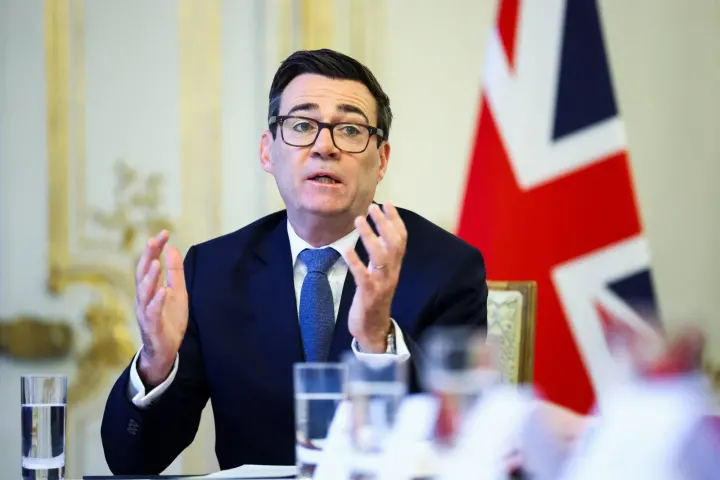
The urgency of these security alliances was recently underscored by high-level diplomatic meetings involving global leaders, reinforcing the need for unified European stability. During a meeting in Berlin, Andy Burnham chaired discussions that agreed to step up sanctions on Russia and provide essential aid to Ukrainians facing a harsh winter. National defence and internal security rely heavily on cross-border collaboration with European allies.
Economic Pressures and the Reality of UK Trade
Economic realities also drive the push for better relations with the European Union, particularly amidst ongoing cost of living pressures. Global conflicts, including the war in Iran, have caused energy and fuel prices to surge, leading to steep projected increases in winter energy bills. While domestic policy cannot instantly neutralise global economic shocks, closer trade partnerships offer a buffer against severe outcomes.
Trade between the United Kingdom and the European Union has fallen by 20 per cent since the implementation of Brexit. Nevertheless, the European Union remains the nation's largest trading partner by a wide margin. Improving diplomatic relations and securing modest, practical agreements is viewed by many as a sensible strategy to protect the domestic economy from ongoing global uncertainty.
Projected Economic Benefits of New European Agreements
By altering the tone and climate of diplomatic negotiations, the government has created space for mutually beneficial agreements. Government estimates indicate that targeted deals could yield substantial financial advantages for the British economy in the coming years:
- A comprehensive food and agriculture agreement could deliver a £5 billion boost to the United Kingdom.
- The Emissions Trading Scheme is projected to generate an additional £3.8 billion annually.
- Emissions trading revenue could potentially double by the year 2040 under the proposed framework.
In addition to trade and agricultural accords, officials are anticipating a youth exchange scheme. This programme would allow up to 100,000 young adults from Europe to temporarily live and work in the United Kingdom, provided the numbers are balanced by an equal number of British citizens travelling abroad.
What Lies Ahead for UK Relations With Europe
Navigating the path forward requires a delicate balance between pragmatic economic cooperation and respect for the democratic history of the Brexit vote. When it comes to trade, security, and international influence, working alongside European partners offers clear strategic advantages. Politicians must tread carefully to ensure the public remains supportive of any diplomatic outreach.
As the government implements these new agreements, the primary challenge will be maintaining domestic consensus. Leaders are advised to proceed steadily while keeping the British people informed, ensuring that political decisions do not outpace public comfort.