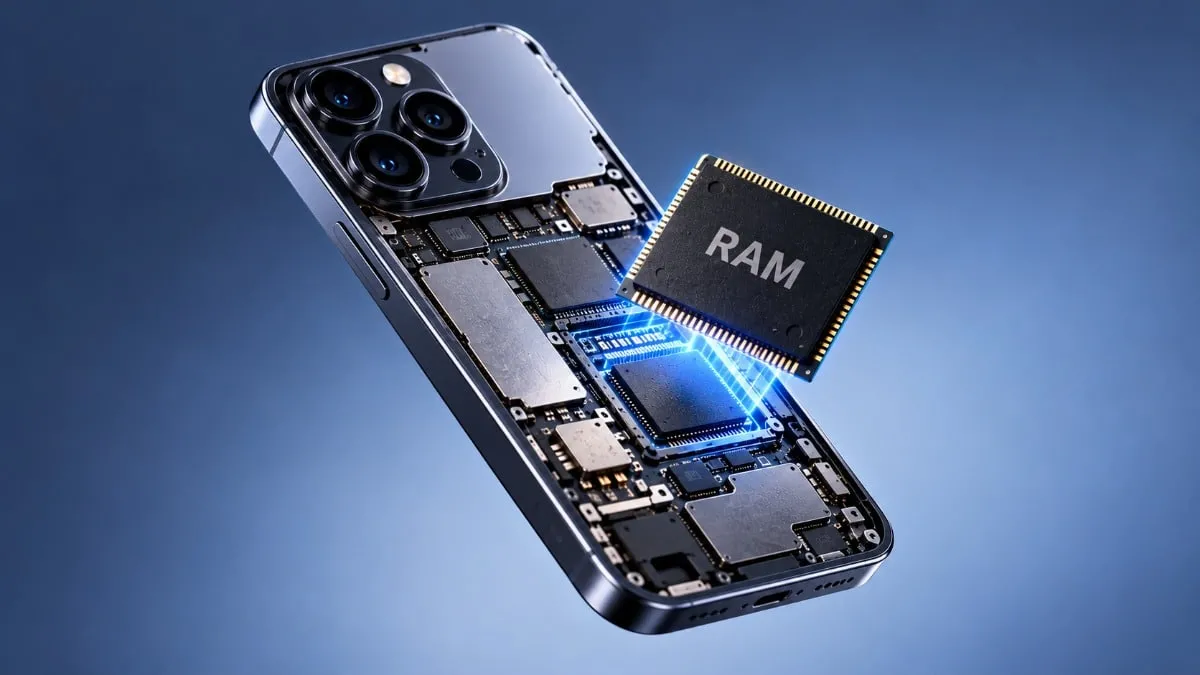
Certain Chinese phone producers are reportedly putting recycled memory chips taken from old gadgets into newly made handsets as ongoing worldwide DRAM shortages push prices higher and disrupt manufacturing lines.
Counterpoint Research stated that multiple Chinese mobile brands cut their production goals through the second quarter of 2026 due to climbing memory expenses and supply limits.
Yet, certain makers started raising their production goals near the close of the third quarter once they secured recycled DRAM components pulled from thrown-away phones, computers, and servers.
How Recycled RAM Is Used
Makers reportedly harvest DRAM components from older electronics, clean them up, run tests, and place working parts into brand-new smartphones.
Certain businesses are even looking into using reused memory strictly for specific cheap phone models to cut down on building expenses.
This method lets producers keep building units without depending completely on freshly made memory chips, which grew pricier and harder to secure.
Reliability Concerns
Even though recycled DRAM helps companies lower expenses, experts voiced worries regarding its extended durability.
Memory components that already ran for five or six years might only have a comparable amount of operational life left.
As time passes, aging memory cells can wear down, potentially raising data mistakes and hurting phone speeds.
While screening can catch components that already broke down, it cannot completely remove worries about the lasting sturdiness of reused parts.
This brings potential dangers for both phone builders and buyers, mainly if reused components end up in handsets meant to last multiple years.
Global Memory Shortage Continues
The shortage stems partly from rising needs for memory chips used in artificial intelligence servers and data hubs.
Leading producers, such as Samsung Electronics and SK Hynix, put higher-margin server memory and high-bandwidth memory first, leaving lower manufacturing space for phone memory.
Market reports indicate that the shortage and high prices might persist past 2027, placing extra strain on phone makers, specifically those building budget devices.
Counterpoint Research noted that using recycled DRAM serves as a short-term reaction to supply limits rather than a permanent fix.
The reports did not name which phone brands or specific models use recycled memory chips. Still, the rising trend shows how makers modify manufacturing while memory scarcity keeps impacting the mobile market.