DDR4 RAM Prices Begin to Drop in Wholesale Markets
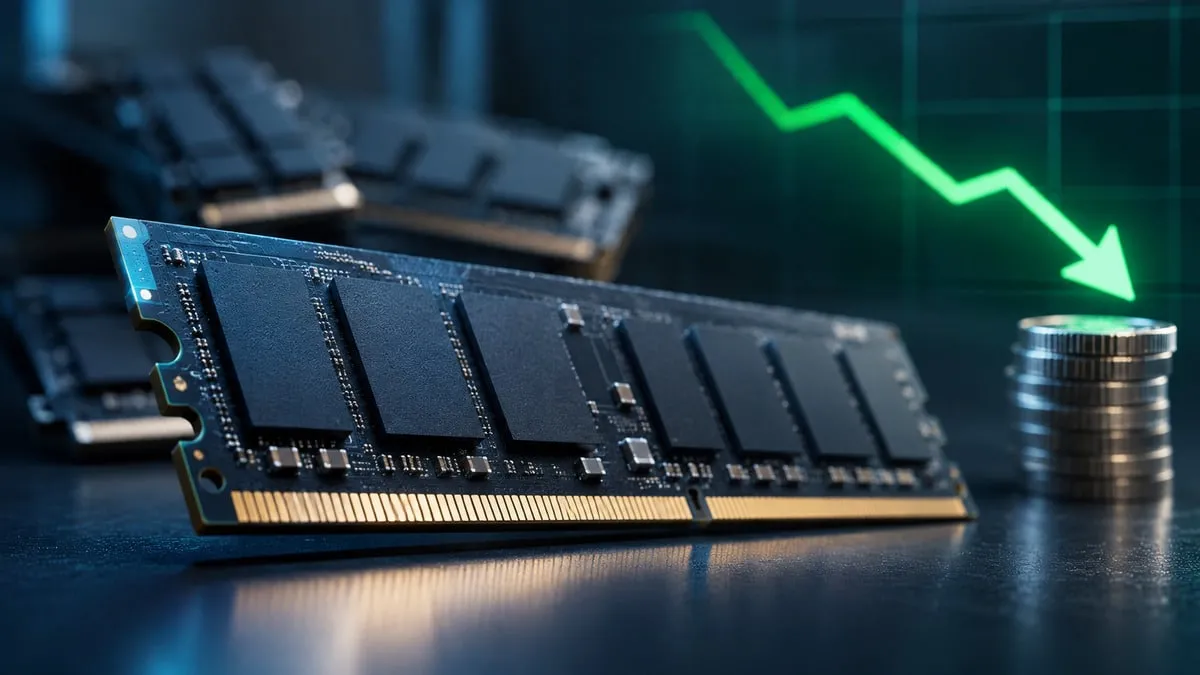
DDR4 memory chip prices have started falling after months of steep increases, offering the first signs that the global RAM market may be cooling down. According to TrendForce, the average spot price of a widely tracked DDR4 chip fell by 1.61 percent between November 18 and November 24, 2026. The decline has continued, although it does not necessarily mean consumers will immediately pay less for RAM upgrades.
TrendForce market data shows that the average spot price of DDR4 8Gb 3200MT/s chips declined from $44.03 on November 18 to $43.32 on November 24. By November 27, the same category had fallen further to approximately $42.71. These figures represent wholesale spot-market quotations for a specific memory chip, not the retail selling prices of complete RAM modules. Older memory types have also faced downward pricing pressure as demand from consumer electronics manufacturers weakens.
The recent downward trend follows a prolonged period of rising memory costs that made personal computer upgrades and new devices considerably more expensive for everyday users and system builders alike. Understanding how these wholesale shifts translate into everyday retail costs requires examining the broader dynamics of the semiconductor manufacturing industry, supply chain logistics, and shifting consumer purchasing habits across global markets.
【DDR4, DDR3 Bear the Brunt of Weak Consumer Demand; Mainstream DDR4 Down 1.61%】
Amid weak consumer electronics demand, buyers generally anticipate spot prices to decline and are prioritizing the reduction of inventory risks, resulting in sluggish procurement momentum in the… pic.twitter.com/a76GuqfW8W
— TrendForce (@trendforce) November 25, 2026
Why Buyers Are Holding Back on New Orders
TrendForce attributes the recent price declines largely to weaker demand rather than a sudden increase in available memory. Retailers, distributors, and component buyers have become more cautious after months of unusually high prices. Many companies are concentrating on reducing existing inventory instead of placing additional orders.
Some suppliers have responded by lowering their quotations to attract buyers. However, trading activity remains weak, with potential customers often requesting prices without committing to purchases. This standoff between suppliers and distributors highlights a cautious marketplace where purchasers refuse to overpay for hardware components while end-user demand remains sluggish.
The hesitation among buyers creates a ripple effect throughout the distribution network. When warehouses hold surplus stock purchased at higher rates earlier in the year, they cannot immediately slash retail prices without taking financial losses. Consequently, the slowdown in actual sales volume forces a readjustment of wholesale valuations, paving the way for eventual corrections down the supply chain.
DDR5 Memory Remains Expensive Despite Market Shifts
While DDR4 spot prices are falling, newer DDR5 memory faces different market conditions. TrendForce expects conventional dynamic random-access memory contract prices to continue facing upward pressure during much of 2027, although the increases could become smaller. The research firm has also warned that the overall memory market is likely to remain undersupplied next year.
Major semiconductor producers, including Samsung, SK Hynix, and Micron, have allocated substantial production resources to advanced server memory and high-bandwidth memory used in artificial intelligence processors. This strategic shift has constrained production of conventional memory for standard consumer devices. The concentration of factory output on high-performance enterprise hardware directly limits the volume of standard desktop and laptop RAM rolling off assembly lines.
Meanwhile, smaller manufacturers, including Nanya and Winbond, are helping meet demand for older memory technologies. These secondary suppliers provide a vital buffer for the market, yet their capacity is insufficient to completely offset the massive factory conversions executed by industry giants toward server-grade hardware.
What Retail Relief Means for Everyday Consumers
The recent decline in spot prices does not establish that retail DDR4 RAM kits will become significantly cheaper in the coming weeks. Retail prices also depend on previously purchased inventory, supply contracts, distribution costs, and local market conditions. Furthermore, the latest spot-market declines follow substantial increases throughout 2026.
TrendForce expects memory price growth to moderate in 2027, with broader contract-price declines possible in 2028. For now, the latest figures indicate cooling wholesale demand rather than a confirmed return to affordable RAM prices. System builders hoping to assemble budget-friendly rigs must weigh the current wholesale drops against the reality of stagnant retail discounting.
For everyday users, the practical takeaway involves careful timing when planning hardware upgrades. Monitoring component pricing trends over the coming quarters will help buyers identify optimal moments to purchase memory kits without overpaying for legacy hardware sitting in high-cost distributor inventories.