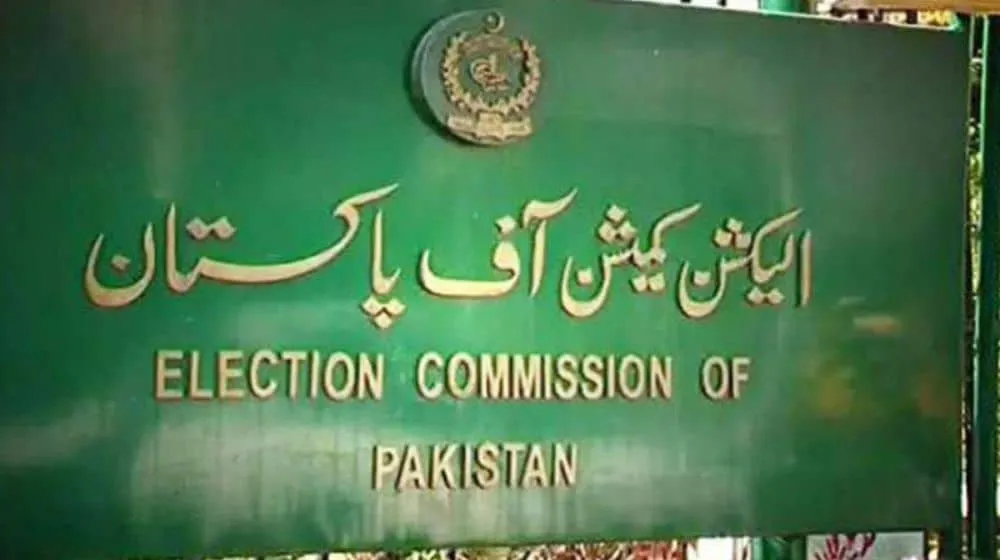
The Election Commission of Pakistan stated it has no legal power to make political parties field women candidates on seats they are likely to win. The commission said on Friday that awarding party tickets is an internal matter for parties. It can neither interfere in ticket distribution nor decide which seat a party gives to a woman candidate.
The clarification came a day after a National Assembly sub-committee on gender mainstreaming directed the election body to ensure women are fielded on seats where their victory is certain. This exchange highlights the ongoing debate surrounding women political representation and the legal boundaries governing electoral oversight in the country.
Understanding Election Laws and Party Tickets
Section 206 of the Elections Act, 2017, requires every party to award at least 5% of its general-seat tickets to women. The commission said the law only sets this minimum share. It does not allow the commission to judge which constituencies are winnable or to order a party to change its candidate.
Political parties hold complete autonomy over their internal candidate selection processes under current statutory frameworks. Party leadership structures weigh various factors when awarding general-seat tickets, including local influence, financial backing, tribal or family lineages, and past electoral performance in specific geographic areas.
Why Parliament Must Amend the Rules
If lawmakers want women on winnable seats, the commission said, new legislation is needed, and that power rests with Parliament. The election watchdog operates strictly within the mandates prescribed by legislative acts passed by the national legislature.
Administrative bodies cannot create new substantive obligations for political entities without explicit statutory backing from lawmakers. Any expansion of regulatory reach into candidate selection requires formal amendments to the existing electoral laws passed by the legislative assembly.
Challenges in Local Government Vacancies
The committee also directed the commission to arrange polls for 563 vacant seats in various local governments. The commission said it had issued schedules several times, but no woman filed nomination papers, so elections could not be held.
Local government structures form the bedrock of grassroots democracy, providing basic municipal services and local dispute resolution mechanisms. Persistent vacancies in these bodies hinder community development and reduce the direct representation of citizens at the neighborhood and district levels.
Readiness to Conduct Local Polls
The commission remains ready to hold polls once candidates come forward. The commission recently took a key decision on Islamabad local government elections.
Prospective candidates must complete formal nomination procedures and meet all eligibility criteria established for local councils. Election administrators stand prepared to execute polling operations as soon as eligible individuals submit their paperwork within the designated timelines.
National Database and Registration Authority Updates
At Thursday meeting, the committee was also briefed by the National Database and Registration Authority. Female registrations in 2026 were 5.57% higher than male registrations, but Senator Qaim Khani raised concerns that only 15 women hold director-level or higher posts at the authority.
The database authority had earlier announced a special computerised national identity card facility for women without birth certificates. This administrative measure aims to bridge the identification gap for marginalized female populations, enabling them to access banking, education, and voting rights.