Prime Minister Forms Inter-Ministerial Committee for IT Sector
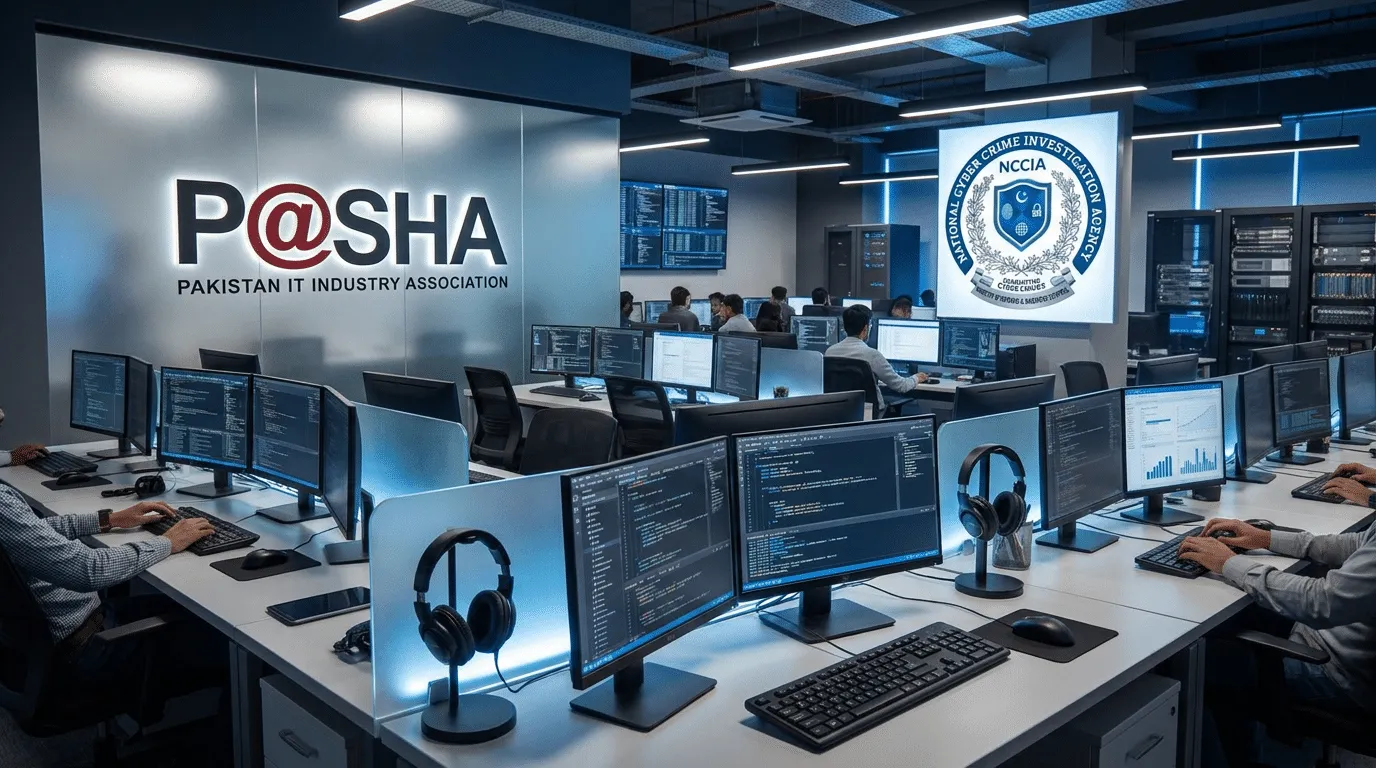
Prime Minister Shehbaz Sharif has constituted an inter-ministerial committee to address issues concerning law enforcement actions against IT companies, with the chairman of the Pakistan Software Houses Association (P@SHA) and the Director General of the National Cyber Crime Investigation Agency (NCCIA) among its members. The administrative setup aims to balance cybersecurity enforcement with the operational needs of the technology industry. Technology executives and government officials will sit together to formulate clearer guidelines for state bodies operating in the digital economy. The decision follows intense dialogue between software sector representatives and state authorities regarding recent investigative procedures.
NCCIA Director General Syed Ali Nasir Rizvi and P@SHA Chairman Dr. Shoaib Ahmed Khan are also included in the committee, alongside other officials from the Interior Ministry. The inclusion of both agency leadership and industry advocacy guarantees direct communication channels between the regulators and the regulated entities. This institutional framework is designed to bridge operational gaps and resolve friction stemming from recent investigations into digital businesses across the country. The committee's first meeting has been scheduled for November 30 at the Ministry of Interior and Narcotics Control in Islamabad, according to an office memorandum issued by the ministry on November 26.
Background of the Committee Formation
The committee has been constituted under the Prime Minister's orders through a notification dated November 24. This official directive responds to growing friction between software enterprises and security institutions regarding the methods used during state inspections. State machinery has increasingly focused on digital spaces to curb illegal financial networks and fraudulent operations running out of commercial office spaces. However, these broad enforcement actions inadvertently caught legitimate technology providers in the regulatory net, prompting urgent appeals for structural reform and oversight.
Its membership includes Secretary IT Zarrar Hasham Khan, Secretary Industries and Production Ahsan Ali Mangi, Additional Secretary Interior Waqar Ahmed Chohan, Small and Medium Enterprises Development Authority (SMEDA) CEO Nadia Jahangir Seth, and Joint Secretary (Law Enforcement) Sanaullah. Bringing together representatives from trade development, information technology, and interior administration ensures a comprehensive evaluation of current enforcement practices. Each official contributes specific domain knowledge to evaluate how security protocols impact commercial workflows and national export targets. The cross-departmental structure reflects the government desire to protect legitimate commercial interests while maintaining strict oversight against cybercrime.
Recent NCCIA Raids and Industry Concerns
The development comes amid concerns raised by the IT industry over recent NCCIA raids on software houses and IT-enabled services companies during its crackdown on suspected scam centres. Security agencies have intensified operations to dismantle illegal call centres and financial fraud networks operating under the guise of legitimate technology ventures. While the state mandate targets unlawful operations, the execution methods employed during these surprise visits triggered alarm within the broader software community. Company owners reported operational disruptions that threatened routine service delivery to international markets.
In a statement issued on November 9, P@SHA called on the NCCIA to distinguish legitimate IT companies and call centres from fraudulent operations. The trade body emphasized that formal software exporters operate under strict legal frameworks, registered with state bodies like the Pakistan Software Export Board. Conflating registered businesses with fly-by-night scam operations damages the broader reputation of the national digital economy. Industry advocates urged state investigators to use existing official databases to verify the legal status of an enterprise before initiating physical inspections.
Specific Grievances Raised by Software Houses
The association said it had received complaints from member companies about raids in which officials allegedly entered offices without showing warrants, questioned employees for hours, and seized laptops, servers and mobile phones. Such aggressive tactics create an atmosphere of fear among local technology professionals and foreign partners alike. Hardware confiscation halts active software development projects and disrupts communication with overseas clients who rely on continuous uptime. Software executives noted that taking physical custody of primary servers paralyzes daily business functions and breaches confidentiality agreements signed with global customers.
P@SHA had also proposed a joint coordination committee comprising the NCCIA, Ministry of IT and Telecommunication, Pakistan Software Export Board (PSEB) and the association to improve coordination and establish procedures for enforcement actions against registered IT businesses. This proposed framework seeks to establish a predictable protocol for any future inquiries involving technology firms. By embedding industry representatives into the preliminary verification stage, the state can pursue bad actors without paralyzing compliant businesses. The new inter-ministerial panel mirrors elements of this collaborative approach proposed by software leaders.
Proposals for Lawful Enforcement and Data Protection
The association stressed that it supports lawful action against scam networks but called for warrant-backed searches, verification of companies before raids, protection of foreign clients' data and the use of on-site forensic copies instead of unnecessary seizure of business equipment. Security agencies are encouraged to rely on digital cloning of data drives rather than removing physical hardware from premises. This technical compromise allows investigators to analyze digital trails without shutting down corporate infrastructure. Furthermore, respecting data privacy protocols remains essential for maintaining foreign client trust in local outsourcing capabilities.
Protecting sensitive client information from overseas jurisdictions is a cornerstone of the national technology export strategy. Unsupervised access to hardware by unauthorized personnel risks violating international data security standards agreed upon by Pakistani firms and their Western partners. Implementing strict protocols for handling seized digital assets ensures that proprietary algorithms and confidential records remain secure during any state investigation. The upcoming consultations will evaluate these technical recommendations to draft standardized Standard Operating Procedures for law enforcement personnel.
Potential Impact on Investor Confidence and Service Delivery
The IT industry has warned that disruptive enforcement actions against legitimate businesses could affect service delivery, damage relationships with foreign clients and undermine investor confidence in Pakistan's technology sector. Technology exports represent a major source of foreign exchange earnings for the national economy, requiring a stable and predictable regulatory environment. International venture capitalists and multinational corporations evaluate sovereign risk closely before outsourcing critical software development tasks to local firms. Unpredictable raids create negative perceptions that can stall foreign direct investment flows into emerging technology hubs.
Sustaining growth in the digital services sector depends heavily on maintaining constructive dialogue between state regulators and private entrepreneurs. As the inter-ministerial committee prepares for its inaugural session at the Ministry of Interior and Narcotics Control, stakeholders across the digital economy watch for concrete policy adjustments. Establishing clear boundaries for cybersecurity investigations will determine whether the country can reconcile its security imperatives with the commercial demands of a globally integrated technology sector.