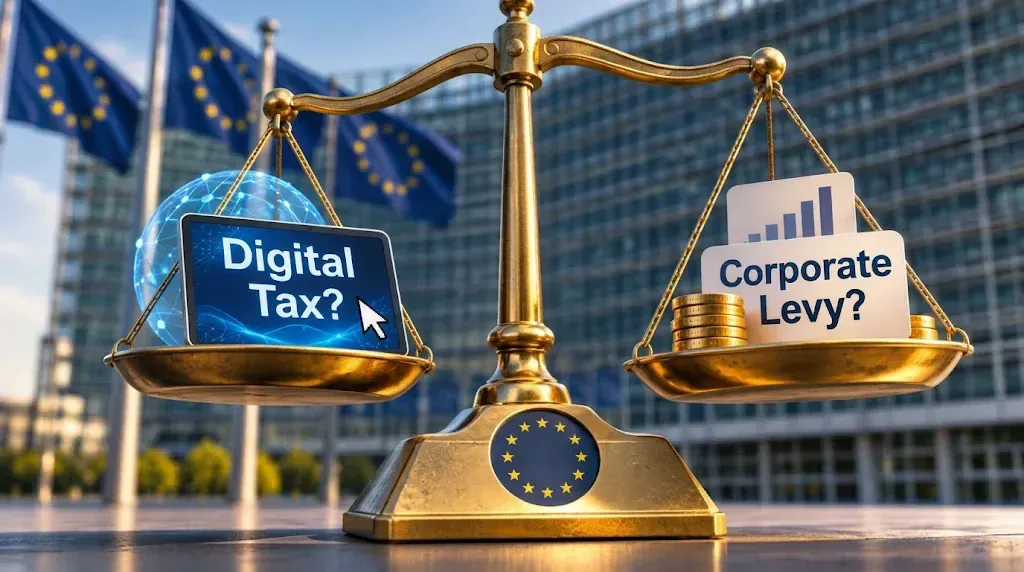
The European Union is set to introduce a 3% digital tax on major technology companies, targeting firms that earn at least €50 million a year from digital activities within the bloc and have global revenue over €750 million. The measure is intended to raise roughly €60 billion annually for the EU's 2028-2034 budget.
European Council President Antonio Costa presented the proposal, stressing that it is not directed at any specific company or country. The tax would apply to revenues from online advertising, digital services and the exploitation of user-generated data.
What the 3% Digital Tax Covers
The levy targets three main streams of income:
- Online advertising revenue generated from EU users.
- Fees for digital services such as cloud computing, streaming platforms and app stores.
- Profits derived from the collection and commercial use of data created by EU residents.
Only companies that meet both thresholds - €50 million in EU digital earnings and €750 million in worldwide turnover - would be subject to the tax. This dual-threshold design mirrors earlier proposals from the OECD's digital services tax framework, aiming to capture the largest players while sparing smaller operators.
Why the EU Is Introducing the Tax
The EU's 2028-2034 multi-annual financial framework forecasts a need for new revenue sources to fund climate initiatives, digital transformation projects and social programmes. The digital tax is part of a broader fiscal package that also includes higher tobacco taxes, an electronic waste levy and potential income from cryptocurrency assets and radio-spectrum auctions.
European Council estimates suggest the combined measures could generate around €60 billion each year. The digital tax alone is expected to contribute a substantial share of that total, though exact figures have not been disclosed.
Potential International Repercussions
The proposal arrives amid already strained EU-United States relations over digital regulation. The United States has previously criticised EU actions that it perceives as targeting American tech firms. While Costa emphasised that the tax is neutral, analysts warn that the United States could respond with trade disputes or retaliatory measures.
Historically, similar digital taxes have sparked disputes, most notably the French "Google Tax" introduced in 2019, which led to a WTO challenge and subsequent negotiations under the OECD framework. The EU's approach this time seeks to align with the OECD's agreed-upon "Pillar Two" global minimum tax, but the specific 3% rate and the EU-wide scope remain unique.
Member-State Reactions and Internal Debate
Not all EU members are on board. Germany has expressed concerns about the overall spending plan, questioning whether the new revenue streams justify the proposed budget allocations. France has criticised cuts to agricultural funding that accompany the tax package, arguing that the budget should protect rural subsidies.
These disagreements highlight a broader tension within the EU about fiscal solidarity and the balance between raising revenue and maintaining social spending. The European Council will need to reconcile these positions before the proposal can move forward.
Legislative Path and Timeline
Antonio Costa aims to secure an agreement by December. EU leaders are scheduled to discuss the proposal in Brussels next week, where they will negotiate the final text and address member-state objections.
After the Council reaches a consensus, the measure must be approved by the European Parliament. Lawmakers have already raised concerns about the accompanying spending reductions, suggesting that the Parliament could request amendments or demand greater transparency on how the €60 billion will be allocated.
The parliamentary vote is expected in early 2025, with implementation slated for 2026, giving firms time to adjust their reporting structures and tax compliance processes.
Impact on Tech Companies and EU Citizens
For the affected tech giants, the tax represents a new cost line item that could affect profit margins, pricing strategies and investment decisions in Europe. Companies will need to calculate their EU digital revenue, allocate resources for compliance, and possibly adjust service fees for European users.
EU citizens could see indirect effects. If firms pass on the tax cost, prices for digital services may rise. Conversely, the additional revenue could fund public projects, such as green infrastructure, digital education programmes and health initiatives, potentially delivering long-term societal benefits.
What to Watch for Next
Key developments to monitor include:
- The outcome of the Brussels meeting next week and whether a consensus on the tax wording is reached.
- Germany's and France's positions during the Council negotiations, especially any demands for budget adjustments.
- The European Parliament's debate schedule and any amendments proposed by committees overseeing taxation and digital policy.
- Reactions from the United States, including possible WTO filings or diplomatic discussions.
- Implementation guidelines that the European Commission will issue to define reporting thresholds and compliance timelines for affected firms.
Stakeholders, including industry groups, consumer organisations and national governments, are expected to submit position papers and lobby for favorable terms before the final vote.