When Will the Beaver Supermoon Appear in UK Skies?
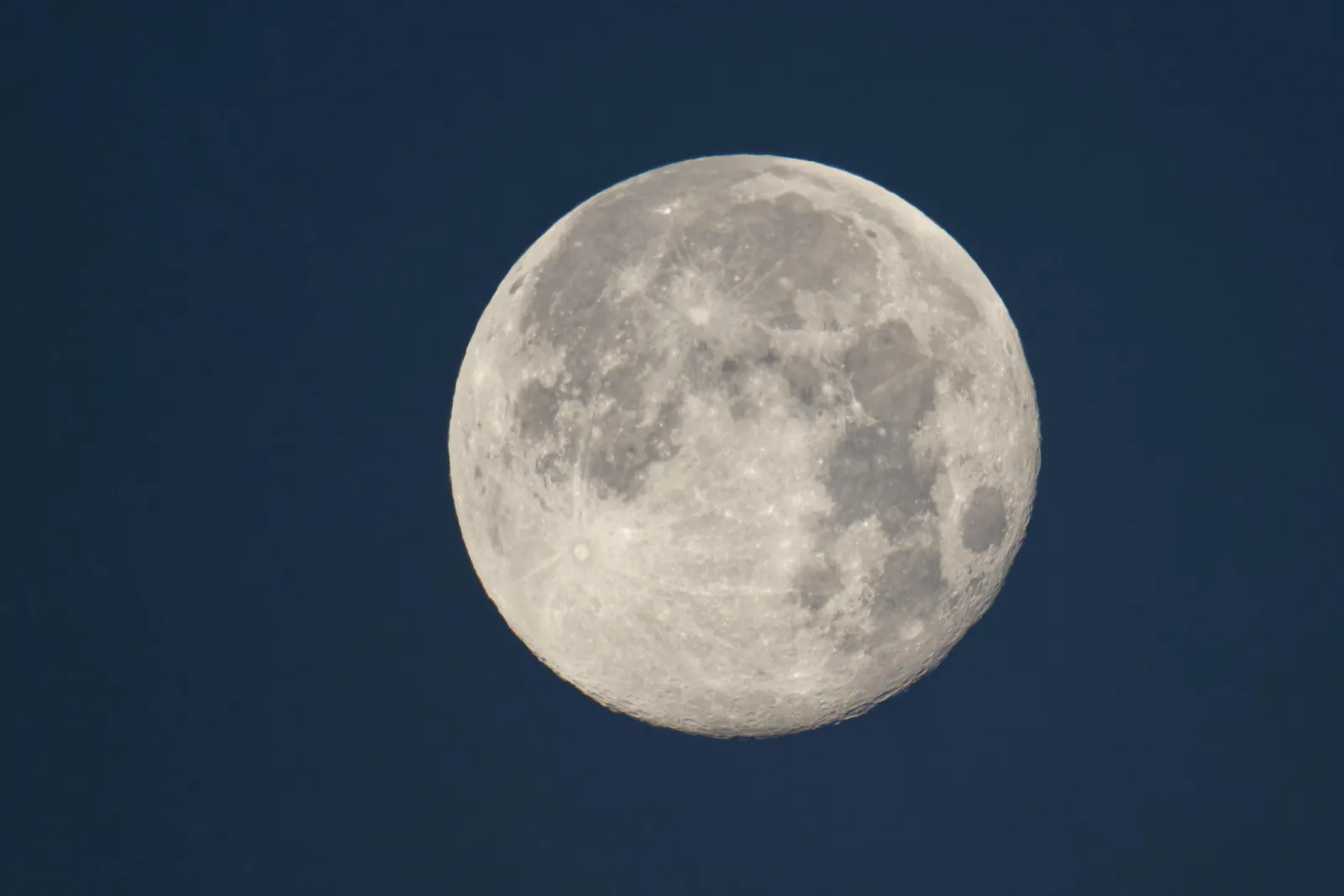
A supermoon will light up night skies in just three days time as a series of spectacular lunar events will come to the UK. The Beaver Moon will be the first of three consecutive supermoons that will light the night skies, coming to the UK on November 24. This rare streak of events is expected to last for three months.
It reaches peak illumination at 2:53 pm but will remain bright throughout the night, bar any cloud coverage. Observers across the country are preparing to watch the display, provided weather conditions remain clear enough to afford a strong view of the horizon.
What Defines a Supermoon and Why Does It Look Bigger?
This event is labelled as a supermoon as it occurs near the moon's closest point to Earth, occurring only three to four times a year and always consecutively. This proximity makes the moon appear 14 percent bigger and 30 percent brighter than the faintest moon of the year.
At times, the surface can even appear to take on a deeper shade of orange, typically when it is low on the horizon. Astrological and astronomical experts note that these occurrences draw significant public interest due to the distinct visual shift in the night sky.
How the Moon Illusion Affects What You See
If the moon sits particularly low on the horizon, it may appear even larger than normal due to a phenomenon known as the moon illusion. When framed against objects like houses, hills, and trees, the human brain perceives the moon as larger than when it sits high in an empty sky.
This optical trick has fascinated scientists and casual observers for generations. While the physical size of the lunar body does not change, the surrounding landscape provides a scale that tricks human perception.
The History and Meaning Behind the Beaver Moon Name
November's supermoon is reportedly dubbed the Beaver Moon due to the time of year that beavers are most likely to build their winter dams. Historical naming conventions for lunar cycles often tied back to agricultural, seasonal, or animal behaviors observed by early communities.
These traditional monikers help mark the changing seasons. As temperatures drop and winter approaches, wildlife patterns shift, giving the November lunar event its specific ecological title.
What Follows the November Supermoon Event?
The second of these supermoons will occur in December, where it will be prime viewing time on Christmas Eve. This will be followed by another on January 22, known as the Wolf Moon.
This sequence offers skywatchers multiple opportunities over the winter months to witness close proximity lunar phases. Each month brings a different traditional name and slightly varied atmospheric conditions for viewing.
Tips for Watching the Supermoon in the UK
To get the best view of the upcoming lunar display, observers should look toward the horizon during moonrise or moonset. Finding a location away from bright urban streetlights helps improve visibility, though the brightness of the lunar surface makes it largely immune to minor light pollution.
Checking local weather forecasts for cloud coverage remains vital, as overcast skies can block the view entirely. Binoculars or small telescopes can enhance surface detail, but the event is easily visible to the naked eye.