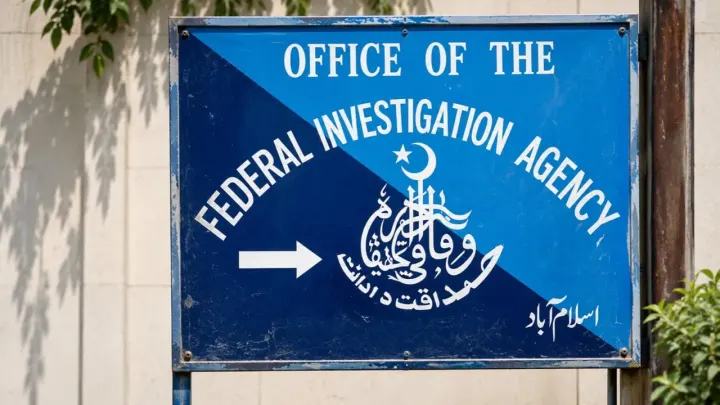
Federal Investigation Agency Secures Remand in Vaccine Case
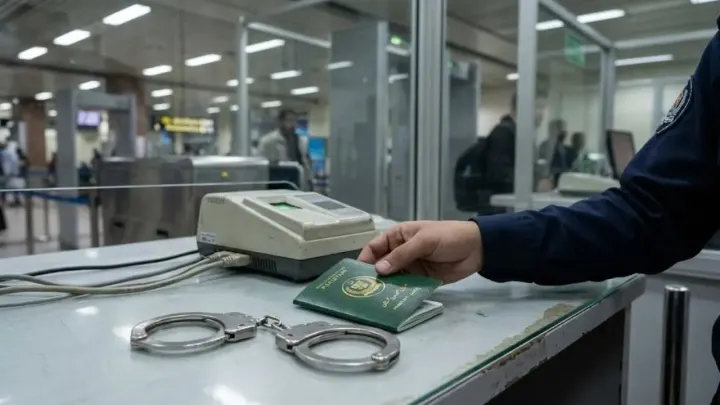
Judicial Magistrate Shaista Kundi granted the Federal Investigation Agency a five-day physical remand of three suspects on Friday, November 20, 2026. Specifically, the Federal Investigation Agency arrested the suspects over the alleged administration of a substandard and counterfeit flu vaccine to patients in Islamabad. This legal proceeding marks a critical development in public health safety enforcement within the capital territory, drawing intense scrutiny from health regulators and citizens alike.
The three suspects include the chief executive officer of a private laboratory, its marketing manager, and an assistant manager. After the Federal Investigation Agency produced the suspects in court, Judicial Magistrate Shaista Kundi handed them over to the agency for interrogation. Earlier, the agency requested a 14-day physical remand to investigate the alleged supply and administration of counterfeit vaccines, but the court approved a five-day duration instead.
Details of the Islamabad Counterfeit Vaccine Raid
According to the Federal Investigation Agency, its Anti-Corruption Circle in Islamabad arrested the three suspects after a joint operation with a drug inspector. Specifically, the team conducted the operation at a laboratory in the capital's Blue Area, a prominent commercial district known for housing numerous medical and diagnostic facilities. During the operation, the team allegedly recovered 27 injections of the counterfeit flu vaccine from the premises.
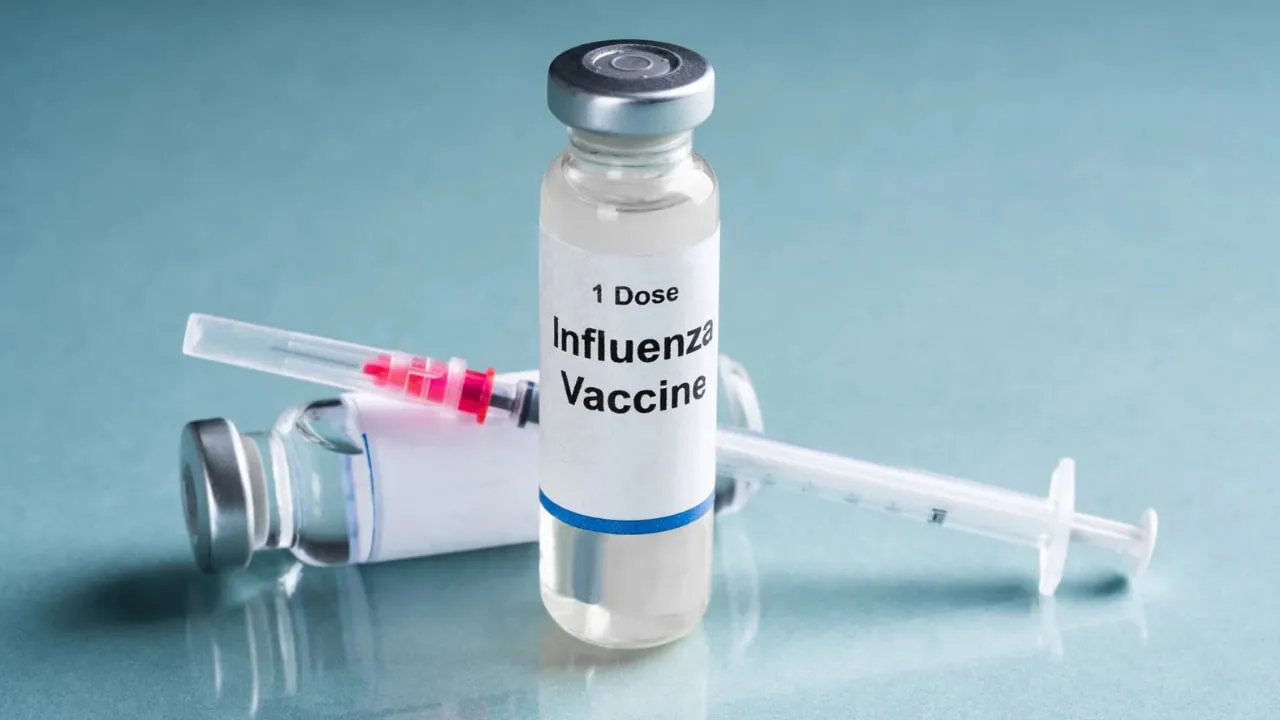
Furthermore, the Federal Investigation Agency alleged that the suspects administered substandard and counterfeit doses of the Influvac Tetra vaccine, bearing lot number P13, to patients. The use of fake biological products poses severe health risks, prompting immediate investigative action by law enforcement and regulatory authorities to trace the distribution network.
Regulatory Findings and Medical Investigations
Meanwhile, the Federal Investigation Agency informed the court about reports from the Drug Regulatory Authority of Pakistan and the Punjab government. Both reports declared the vaccine from lot number P13 counterfeit and substandard, confirming initial suspicions raised during the joint inspection. The involvement of multiple regulatory bodies highlights the coordinated approach required to tackle pharmaceutical fraud across provincial and federal jurisdictions.
Moreover, the agency claimed that this particular batch had never been imported into Pakistan, suggesting an illicit supply chain operating outside legal pharmaceutical import channels. Finally, investigators seized records indicating that 26 patients received the allegedly counterfeit vaccine. Notably, those 26 patients include the complainant's daughter, whose case triggered the initial formal complaint and subsequent police action.
Background on Vaccine Regulation and Public Health Safety
The distribution of fake pharmaceuticals remains a persistent challenge for regulatory bodies in developing nations, where oversight of private clinics and laboratories requires constant vigilance. The Drug Regulatory Authority of Pakistan functions as the primary national institution responsible for ensuring the quality, safety, and efficacy of drugs and medical devices. When unauthorized batches enter the market, they bypass vital cold-chain storage and quality control checks, rendering them potentially dangerous or completely ineffective for patients seeking protection against seasonal illnesses.
Seasonal influenza vaccines are widely recommended for vulnerable populations, including children and the elderly, to prevent severe respiratory complications during colder months. The discovery of fake Influvac Tetra doses in a commercial district of Islamabad underscores the vulnerability of urban healthcare supply chains to illicit actors seeking financial gain at the expense of public health. Regulatory frameworks rely on routine inspections, whistleblower reports, and consumer complaints to uncover such violations before widespread harm occurs.
Role of the Federal Investigation Agency in White-Collar Crime
The Federal Investigation Agency handles complex white-collar crimes, financial fraud, and offences impacting public welfare across Pakistan through specialized units like the Anti-Corruption Circle. In health-related cases, the agency coordinates closely with provincial health departments and federal drug inspectors to gather actionable intelligence and execute raids on premises suspected of storing illegal substances. Physical remand periods granted by judicial magistrates allow investigators to interrogate suspects, recover hidden inventories, and trace financial transactions linked to illicit procurement.
During the interrogation phase, investigators aim to uncover the entire distribution network, including upstream suppliers and middlemen who facilitate the entry of unapproved pharmaceuticals into licensed medical facilities. The cooperation between judicial officers, law enforcement agents, and drug regulatory watchdogs forms the backbone of accountability measures designed to deter pharmaceutical counterfeiting and protect consumer safety.
Next Steps and Legal Procedures in the Investigation
As the five-day physical remand progresses, the Federal Investigation Agency is expected to analyze the seized laboratory records and question the chief executive officer, marketing manager, and assistant manager regarding the origin of the recovered injections. Investigators will scrutinize financial accounts, delivery receipts, and communication logs to identify other individuals potentially involved in the procurement and administration of the substandard vaccines. Once the remand period concludes, the suspects will be produced before the court again for further legal directives, which may include judicial remand or requests for additional custody based on investigative findings.
Meanwhile, affected patients and their families await further clarity on the health implications of receiving the unapproved doses, while health authorities consider broader sweeps of similar establishments to ensure no other counterfeit batches remain in circulation. Observers and legal experts will monitor the subsequent court hearings to track how statutory penalties are applied under national drug laws and anti-corruption statutes governing public health safety violations.