Qatar Grand Prix Starting Grid Overview
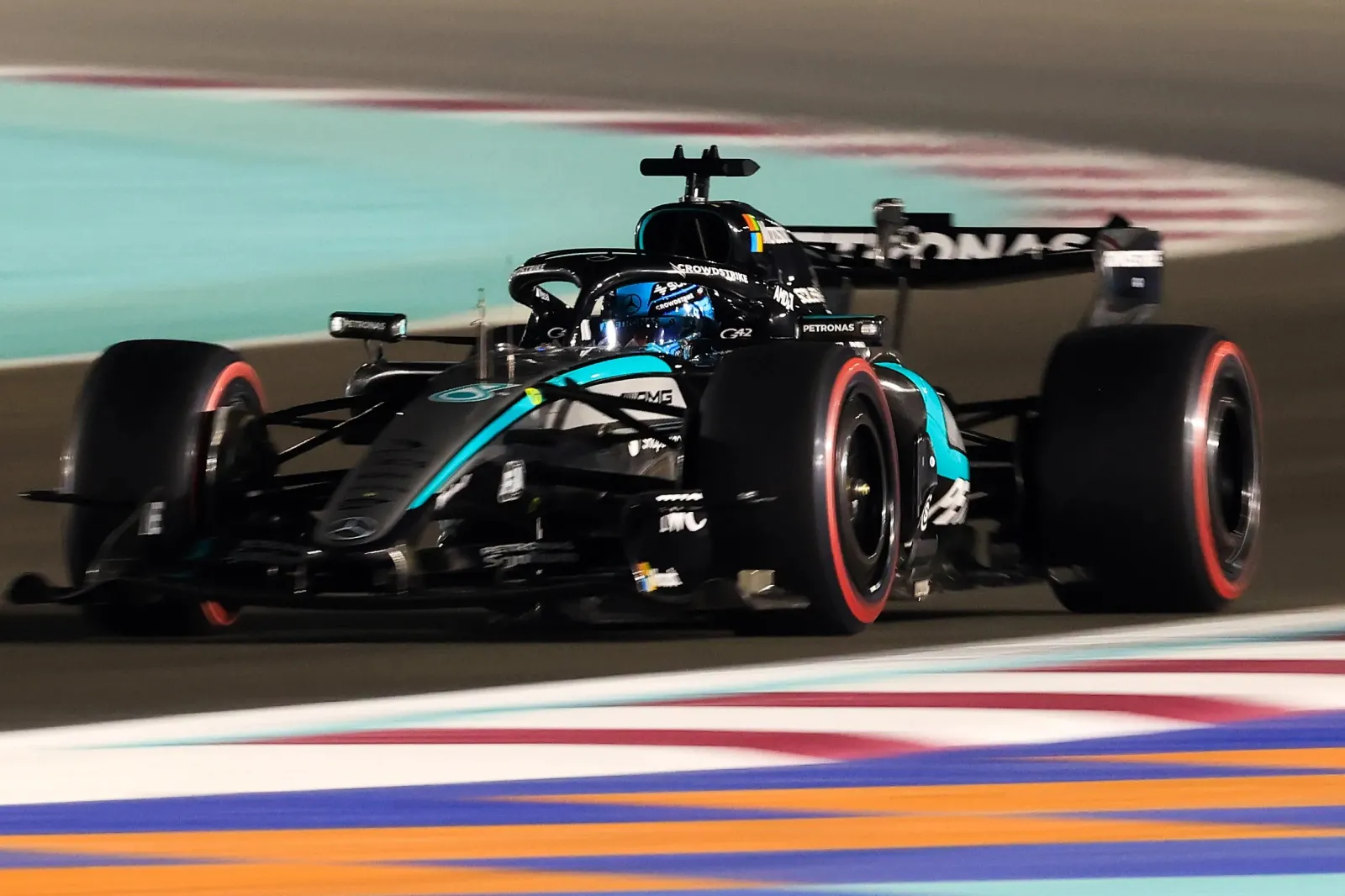
The Qatar Grand Prix takes place TODAY as George Russell starts on pole. Fans and teams gather for a high-stakes afternoon of motorsport action under the floodlights. The qualifying sessions set the stage for a dramatic contest across the desert circuit.
Motorsport enthusiasts look toward the front of the grid as the cars line up. The performance of every driver during Saturday qualifying dictates the strategic possibilities for the grand prix itself. Tyre degradation and pit stop strategies will play major roles as the race unfolds.
Teams finalise their setups in the hours leading up to the formation lap. Engineers review telemetry data to ensure mechanical reliability. Drivers prepare physically and mentally for the intense heat and lateral G-forces experienced at this venue.
Mercedes Front Row Lockout and Qualifying Battle
The Brit beat his team-mate and championship winner Kimi Antonelli by a tenth of a second as the Mercedes duo start on the front row for the first time since the Canadian Grand Prix. This strong performance highlights the speed of the Silver Arrows on a fast circuit.
George Russell extracted maximum performance from his machine during his final flying lap. His precise steering inputs and throttle control through the high-speed corners made the difference against the clock. Securing the top spot provides clean air off the line.
Kimi Antonelli pushed hard throughout the session to secure second place. Missing out on pole by only a tenth of a second shows how tight the margins are at the elite level of single-seater racing. Starting right beside his team-mate gives Mercedes a strong tactical position for the opening corner.
McLaren Threat With Norris and Piastri
McLaren pair Lando Norris and Oscar Piastri are third and fourth, respectively. Both drivers showed competitive pace during practice and qualifying, positioning themselves to pressure the Mercedes cars from the second row.
Lando Norris managed his tyres effectively to set a competitive time during the shootout. His ability to carry speed through medium-speed turns keeps him in contention for the race victory. Managing race pace over a full stint remains a core focus for the British driver.
Oscar Piastri continues to display consistent form alongside his team-mate. Starting fourth gives the young driver an opportunity to challenge for podium positions immediately. Strategy and racecraft will determine whether the papaya cars can overtake the front row starters.
How to Watch the Qatar Grand Prix Live
Fans wanting to follow the action must note the schedule and broadcasting details for today. Start time: 4pm GMT. Viewers should tune in early to catch the pre-race build-up, grid walks, and expert analysis.
TV channel: Sky Sports F1. Subscribers can watch comprehensive television coverage featuring expert commentary, onboard cameras, and live team radio transmissions.
Live stream: NOW. Viewers who prefer streaming options can access the broadcast through digital devices using supported applications and passes.
Understanding the Lusail International Circuit
The Lusail International Circuit presents unique challenges for modern Formula 1 cars. The track layout features a mix of medium and high-speed corners that test aerodynamic downforce and mechanical grip. High ambient temperatures increase thermal stress on the tyres.
Drivers must maintain precise racing lines to avoid running wide onto the abrasive run-off areas. Teams adjust wing angles to balance straight-line speed with cornering agility. Tyre management dictates how hard drivers can push during each stint of the race.
Overtaking opportunities exist primarily at the end of the main straight under heavy braking. Drivers use the Drag Reduction System zone to close the gap to opponents ahead. Strategy decisions regarding pit stop timing often alter the running order significantly.
Championship Implications and Team Tactics
Every point matters as the season approaches its final rounds. Teams evaluate constructor standings while drivers battle for individual positions. Strategic pit stops and tyre compound choices dictate how races develop from lights out to the checkered flag.
Pit wall engineers monitor weather conditions, track temperature, and fuel loads continuously. Safety car deployments can alter race strategies within seconds. Quick decision-making under pressure defines successful race operations for every team on the grid.
Drivers rely on clear communication with their race engineers to manage car systems and tyre wear. Conserving fuel and managing brake temperatures form part of the tactical checklist during a Grand Prix. The balance between speed and reliability decides the ultimate finishing order.