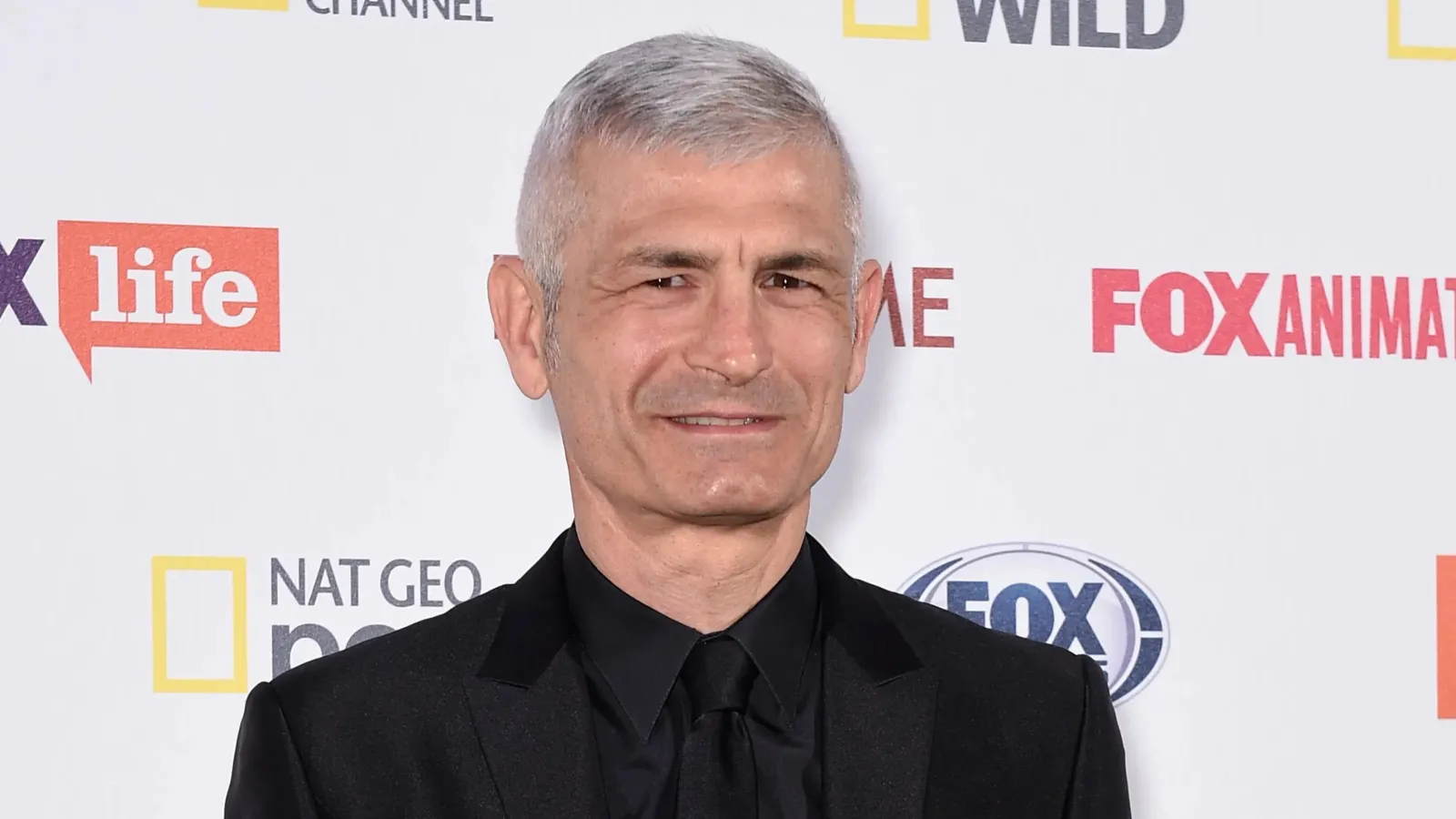
Fabrizio Ravanelli Wins High Court Tax Battle
Former Premier League star Fabrizio Ravanelli has secured a legal victory in the High Court against HM Revenue and Customs concerning a disputed tax bill from his professional football career. The Italian striker, widely remembered for his distinctive prematurely white hair and prolific goalscoring exploits, challenged a financial demand that originated from arrangements made during his time playing in English club football. Mr Justice Eardley delivered the ruling, which centers on £340,000 in National Insurance contributions tied to earnings paid through an employee benefit trust.
Ravanelli argued successfully that the calculation of the tax liability was flawed because it incorrectly assigned National Insurance responsibilities to him rather than his former clubs. The judgment mandates that HM Revenue and Customs must remake their previous decision regarding the settlement agreement without relying on the incorrect legal view that the trust was liable for the payments.
Understanding Employee Benefit Trusts in Football
During the late 1990s and early 2000s, employee benefit trusts became a common financial vehicle used by various professional sports clubs and corporate entities. These trusts were often set up to hold assets or make loans to employees as part of their remuneration packages. While clubs used these structures extensively, subsequent changes in tax legislation and retrospective closures targeted schemes that deferred income tax liabilities.
In Ravanelli's case, some of his earnings during his career moves were channeled through such a trust. When these structures were eventually wound up or settled with tax authorities, substantial bills arose regarding unpaid income tax and National Insurance contributions. The core of the legal dispute focused not on the existence of the trust itself, but on who bore the statutory responsibility for paying the National Insurance contributions when distributions were finally paid out to the player.
The Legal Arguments Presented in Court
During the court proceedings, legal representatives for both sides laid out competing interpretations of tax legislation and secondary regulations. Tim Johnston, acting as barrister for Ravanelli, told the court that the National Insurance contributions were never owed by or on behalf of the player. Instead, he argued that those liabilities remained with the employer, which had since ceased to exist.
Johnston pointed out that according to official guidance issued by the tax authority itself, no sums should have been withheld for National Insurance when the distribution from the trust was made to the former striker. Ravanelli maintained that as a matter of substantive tax law, the contributions were never due from him, meaning no amount should have been deducted from the funds distributed out of the trust.
On the opposing side, Adam Tolley KC, representing HM Revenue and Customs, argued a different interpretation of the statutory framework. Tolley contended that when the trustee made the distribution, it acted as the deemed employer of the claimant for the purposes of the relevant legislation, while the player received the distribution as a deemed employee. Under this interpretation, the government lawyers maintained that the trustee held the legal liability to pay the National Insurance contributions.
The High Court Ruling and Next Legal Steps
Mr Justice Eardley ultimately sided with the footballer on the core legal principle, stating that the refusal by the tax authority to reopen the settlement agreement was vitiated by a material error of law. The judge stated that he would quash the decision refusing to reopen the settlement agreement, requiring HM Revenue and Customs to remake that decision without relying on the erroneous view regarding trustee liability for National Insurance.
However, the court stopped short of granting an immediate payout or ordering the automatic reopening of the settlement. The judge noted that it would be jumping the gun to order them to reopen the settlement or hand over the cash immediately, meaning further administrative steps remain before any funds are officially returned or adjusted. The ruling leaves the ball in the court of the tax authority to re-evaluate the case under the corrected legal interpretation.
Fabrizio Ravanelli and His Premier League Legacy
Fabrizio Ravanelli earned iconic status among English football supporters following his high-profile transfer to Middlesbrough in 1996. Known to fans as the White Feather due to his hair color, he made an immediate impact by scoring a hat-trick on his debut against Liverpool. His time in English football included spells with Middlesbrough and later Derby County, where he played alongside other notable stars of the era.
Beyond his time in England, Ravanelli enjoyed a distinguished career across Europe, notably winning the UEFA Champions League with Juventus in 1996, where he scored in the final against Ajax. The current legal proceedings reflect a broader trend of former professional athletes dealing with complex legacy tax issues stemming from financial planning strategies common during the peak years of their playing careers.