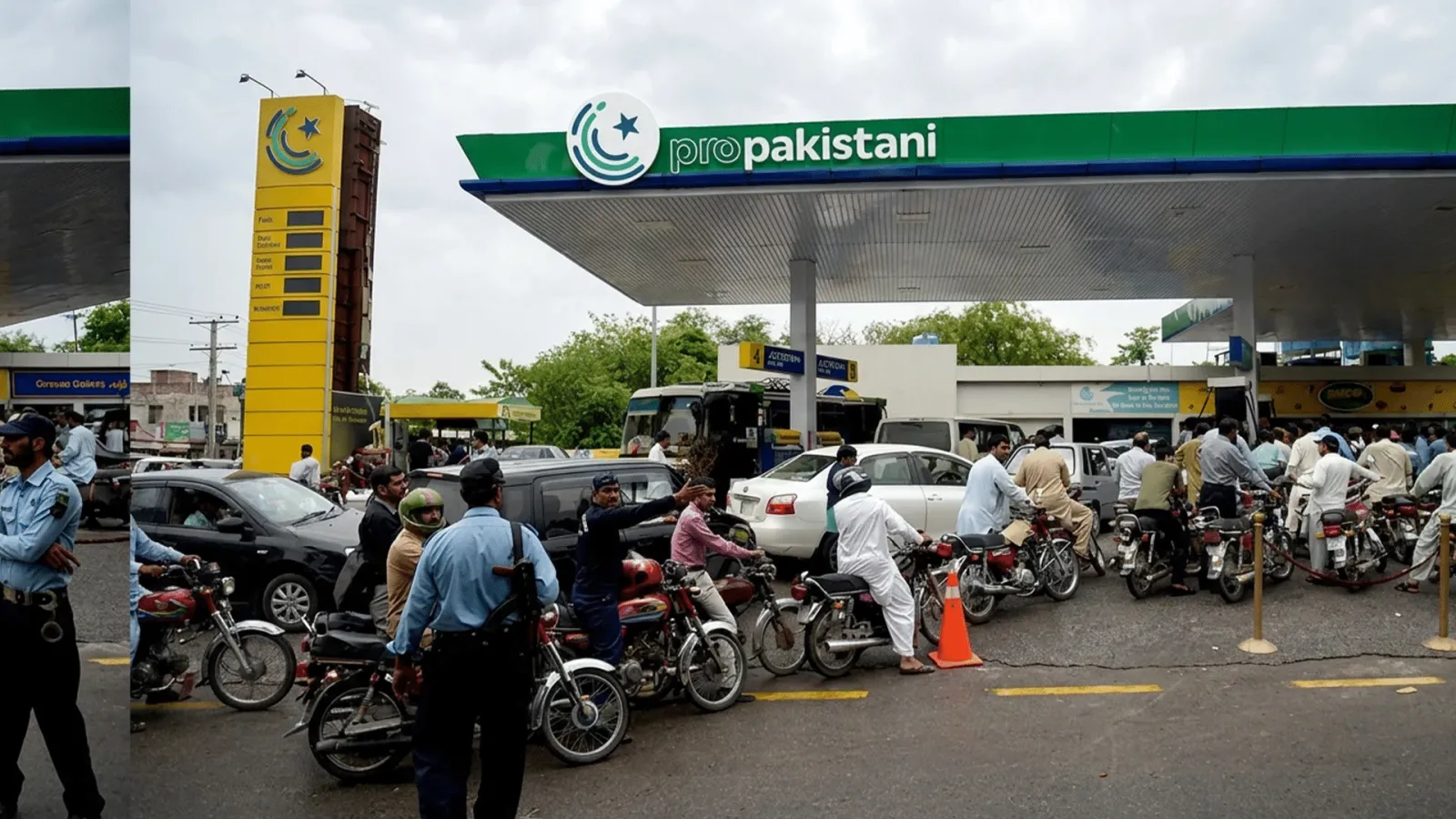
The federal government has decided to decrease the prices of motor spirit petrol and high-speed diesel, according to the latest notification issued by the federal government. This adjustment marks the fifth consecutive day of downward price revisions for petroleum products across the country, providing some relief to consumers who have faced volatile fuel costs in recent months.
Under the new rates, the price of petrol has been decreased by Rs. 1 per litre to Rs. 313 per litre. Meanwhile, high-speed diesel has been made cheaper by Rs. 2, bringing its new rate down to Rs. 346 per litre.
Understanding Daily Petroleum Pricing Revisions
The mechanism of adjusting fuel prices on a frequent basis represents a shift in how energy costs are managed and passed on to the public. Rather than following a traditional fortnightly or monthly review cycle, authorities have implemented more dynamic adjustments to reflect shifting international market trends and local economic indicators. This approach aims to align domestic pumps more closely with global petroleum benchmarks.
Consumer goods, public transport, and private vehicle owners are directly impacted by these frequent shifts. When fuel prices trend downward over multiple sessions, transport operators and everyday commuters experience a slight easing of household and operational expenses. However, the cumulative historical data shows that rates have fluctuated significantly over the preceding weeks and months.
Recent Price Movements and Market Trends
The latest announcement follows a similar downward revision enacted on Wednesday, when the price of petrol was decreased by Rs. 4 per litre to Rs. 314 per litre. During that same Wednesday adjustment, high-speed diesel was lowered by Rs. 5 to Rs. 348 per litre. These successive cuts build upon a broader pattern observed throughout November, where rates have gradually retreated from higher thresholds seen earlier in the autumn.
For instance, looking back at the records from early November, petrol was trading considerably higher. On November 6, petrol stood at Rs. 346 per litre and diesel was priced at Rs. 378 per litre. Moving further back into October and September, figures climbed even higher, with petrol touching peaks near Rs. 399 per litre in early October and diesel crossing the Rs. 420 mark in late September.
Economic Impact on Citizens and Businesses
Fuel expenses form a critical component of everyday commerce, influencing the cost of moving freight, operating public buses, and generating power for small businesses. When the federal government alters the price of motor spirit and high-speed diesel, the ripple effects touch nearly every sector of the economy. Lower diesel prices are particularly important for the agricultural sector, where tractors, tube wells, and transport vehicles rely heavily on the fuel.
Business owners and logistics providers closely monitor these daily updates to calculate operational overhead. While a reduction of Rs. 1 for petrol and Rs. 2 for diesel may seem modest on a per-litre basis, consecutive days of price cuts contribute to a more predictable budgeting environment for fleet operators and daily commuters alike.
Historical Context of Fuel Rates
The current pricing structure is part of a continuous regulatory framework managed by federal authorities. Historical logs indicate that energy costs have experienced wide swings over the past few months. Back in July, before the implementation of daily pricing frameworks, petrol was recorded at Rs. 310.71 per litre and diesel at Rs. 323.30 per litre. As the weeks progressed through August, September, and October, prices climbed substantially due to international crude oil pressures before beginning their current descent in November.
Citizens and market analysts continue to watch official notifications closely to see if the downward trend will hold through the end of the month. Authorities maintain that rates will continue to be evaluated based on transparent fiscal metrics and international supply costs.





